
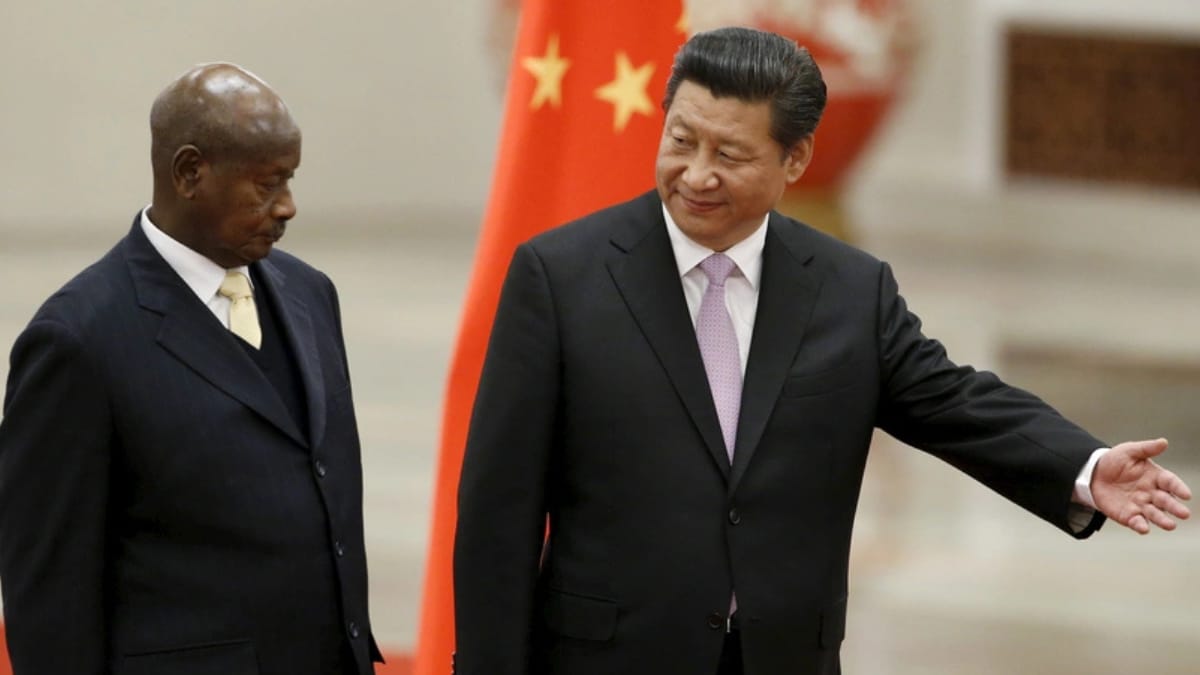
On 24 January 2026, Chinese President Xi Jinping formally congratulated Yoweri Museveni on his re-election as President of Uganda. In a message broadcast by state media, President Xi highlighted the enduring “traditional friendship” between the two nations, describing Museveni as an “old friend of the Chinese people”. He emphasised that Beijing and Kampala have consistently supported each other on core interests and major concerns, whilst maintaining effective coordination in international affairs. Xi expressed his readiness to deepen political mutual trust and implement outcomes from the Beijing Summit of the Forum on China-Africa Cooperation (FOCAC), aiming to further the comprehensive strategic cooperative partnership for the benefit of both peoples.
This diplomatic endorsement follows Uganda’s general elections on 15 January 2026, where the 81-year-old Museveni secured a landslide victory with 71.65% of the vote. His nearest challenger, opposition leader Robert Kyagulanyi (Bobi Wine), gained approximately 22.4% amid allegations of irregularities and voter suppression. Museveni, who has ruled since 1986, enters his seventh term having overseen significant economic growth and infrastructure development, much of it funded by Chinese investment. However, his prolonged tenure faces continued scrutiny from Western observers and rights groups over issues of governance and electoral fairness.
The 2026 vote drawing concerns from observers like Human Rights Watch over pre-election repression, including arrests of opposition figures and internet shutdowns. China-Uganda relations have strengthened under Museveni, with Beijing providing significant investments through the Belt and Road Initiative, including funding for roads, dams, and oil infrastructure, making China Uganda’s largest foreign investor and creditor
Strategic Partnership and Economic Ties
The prompt congratulations from Beijing underscore the robust economic and political ties that have flourished under Museveni’s leadership. China has become Uganda’s largest foreign investor and creditor, channeling significant funds through the Belt and Road Initiative for critical infrastructure projects, including roads, oil facilities, and the massive Karuma Hydropower Plant. Loans for such developments now exceed $1.5 billion, fueling a GDP growth rate of around 6% annually. This partnership aligns with China’s broader Africa strategy, which prioritises economic cooperation and non-interference in internal affairs, a stance that contrasts sharply with Western criticism of Uganda’s democratic record. In return, Uganda has remained a steadfast ally to China at the UN, supporting Beijing on sensitive issues such as Taiwan and human rights.
The re-election and subsequent international responses, including Xi’s prompt congratulations, reflect ongoing geopolitical dynamics in Africa, where China’s influence continues to expand amid Museveni’s enduring rule.