Scott Bessent’s carefully worded hint that the United States may ease punitive tariffs on India is far more than a trade gesture. It is a window into how energy flows, sanctions enforcement, and tariff policy are being fused into a single instrument of geopolitical leverage.
India’s sharp reduction in Russian crude imports is being framed in Washington not as a market outcome, but as a political success. That framing matters. It signals a decisive shift in how the United States interprets compliance in the emerging global order, where economic behaviour is no longer judged solely by rules of trade, but by alignment with strategic objectives.
This moment reflects a broader recalibration in US India relations, one where economic coercion and diplomatic reward operate in tandem.
The Tariff escalation: A Case study in economic coercion
The doubling of tariffs on Indian goods to fifty percent in August marked an extraordinary escalation between two countries that officially describe each other as strategic partners. The additional twenty five percent levy tied specifically to Russian oil imports was not merely punitive. It was instructional.
Washington was sending a clear signal that neutrality in great power conflicts carries tangible economic costs. By linking tariffs directly to India’s energy sourcing, the United States blurred the line between trade regulation and sanctions enforcement.
From a legal perspective, this approach sits in a contested space. World Trade Organization rules allow for national security exceptions, but repeated reliance on such exceptions risks hollowing out the multilateral trading system. The more trade measures are weaponised, the weaker the normative force of global trade law becomes.
India’s oil pivot and the return of OPEC influence
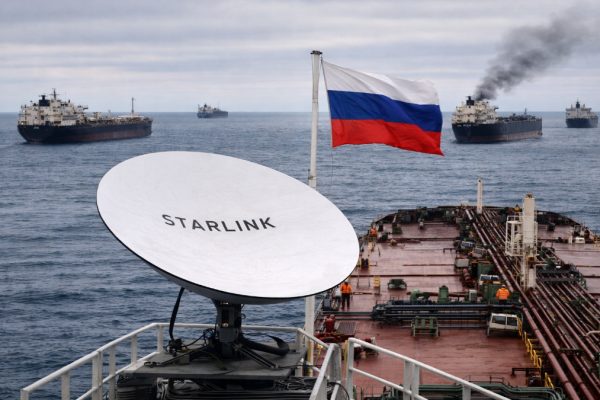
India’s Russian oil imports falling to a two year low is a development with wide implications. Russian crude had offered India price stability amid global volatility. Its sudden contraction suggests not only diplomatic pressure, but a recalculation of strategic risk.
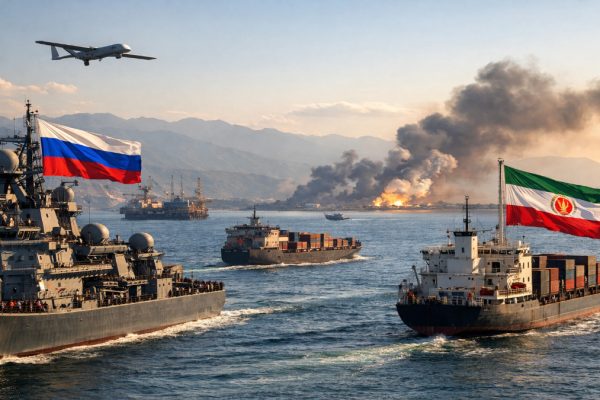
The corresponding rise in OPEC’s share of Indian imports to an eleven month high represents a partial reversion to traditional energy dependencies. This has consequences. OPEC supply is more exposed to Middle Eastern instability and price coordination. India’s earlier diversification into Russian crude was a hedge against precisely such vulnerabilities.
By stepping back from Russian oil, India may gain tariff relief but loses leverage in global energy markets. This trade off underscores the cost of operating in a world where energy autonomy is increasingly constrained by geopolitical alignment.
Washington’s message: Compliance is the new partnership
Bessent’s remarks at the World Economic Forum were revealing in their tone. He described the collapse of Indian purchases of Russian oil as a success, not as a bilateral adjustment. This language is significant.
It implies that economic behaviour is now assessed through a compliance lens. The promise of tariff relief is framed not as negotiation, but as reward for adherence. This is a departure from traditional alliance management and closer to conditional engagement.
For India, this presents a strategic dilemma. Accepting tariff relief under such circumstances may stabilise short term trade flows, but it sets a precedent where future policy choices are made under threat of economic retaliation.
The Russia factor: Sanctions by proxy
The United States has struggled to fully constrain Russian energy revenues through direct sanctions alone. India’s large scale purchases of discounted Russian crude diluted the effectiveness of Western pressure.
Tariffs on Indian goods became a tool to close that gap. This represents sanctions by proxy, where third party states are pressured economically to enforce geopolitical objectives they did not originate.
Legally, this raises questions about extraterritorial economic measures. While tariffs fall within sovereign authority, their use to compel foreign policy alignment stretches the spirit of international economic law.
Implications for the global south
India’s experience will not go unnoticed across the Global South. Many states have sought to maintain strategic autonomy amid great power competition. The US approach suggests that such autonomy will be increasingly difficult to sustain.
If energy sourcing decisions invite trade penalties, smaller economies may find themselves even more constrained. This risks accelerating bloc based trade patterns and weakening global market integration.
The precedent is clear. Energy neutrality is no longer neutral.
What comes next: Relief or reinforcement
Bessent’s suggestion that there is a path to removing the additional tariffs is deliberately vague. It leaves Washington maximum flexibility. Tariffs can be lifted, paused, or re imposed depending on India’s future conduct.
This conditionality ensures continued leverage. Even if relief is granted, the underlying mechanism remains intact.
For India, the challenge will be to secure tariff rollback without allowing its broader foreign policy autonomy to erode. For the United States, the risk is that excessive reliance on economic pressure could strain long term partnerships and push states to seek alternative economic blocs.
A new grammar of power
This episode marks a turning point in how global economic relationships are managed. Trade policy is no longer just about market access. It is about signalling loyalty, enforcing alignment, and rewarding compliance.
The reduction of Indian imports of Russian oil may bring temporary tariff relief. But it also confirms a deeper transformation in the international system. Economic statecraft has become sharper, more personalised, and more transactional.
In this new grammar of power, tariffs speak louder than treaties, and energy flows reveal where real influence now lies.