
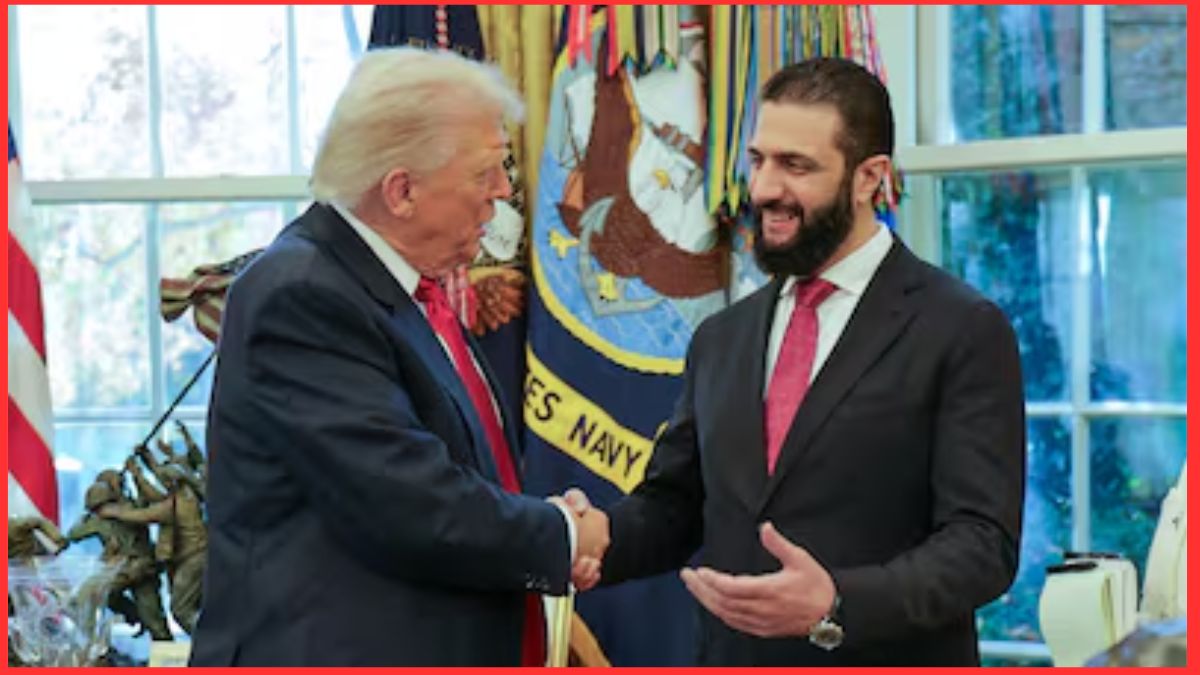
The United States special envoy for Syria, Tom Barrack, sharply confronted the commander of the Syrian Democratic Forces during a closed-door meeting over what he viewed as efforts to draw Israel into Syria’s internal conflict, according to diplomatic sources.
Closed-Door Erbil Meeting Highlights US Pressure on SDF Leadership Over Syria Integration Deal
According to two diplomatic sources who spoke to Middle East Eye on condition of anonymity, the meeting took place in Erbil on Saturday, just one day before a ceasefire agreement between the Syrian government and the SDF was announced. The discussions were held as Syrian government forces advanced into areas previously controlled by the Kurdish-led SDF and were attended by Barrack, SDF commander Mazloum Abdi, and veteran Kurdish leader Massoud Barzani. The sources indicated that Barrack strongly criticized Abdi for delaying the implementation of a March 2025 agreement that envisaged the integration of the SDF into the Syrian army by the end of 2025. Barrack was said to have accused the SDF leadership of stalling, failing to carry out commitments to Damascus, and continuing to depend on foreign powers despite a changed political landscape in Syria following the collapse of the former Assad regime. The envoy reportedly warned that attempting to involve Israel would be destabilizing and could generate tensions between Turkey and Israel, both close regional partners of Washington. The sources also said Barrack argued that Abdi was still engaging with Syria as if Bashar al-Assad remained in power, despite what he described as a fundamentally new political reality in which Damascus was now a partner in counterterrorism efforts.
Ceasefire Agreement Signals Shift in Syria’s Power Balance and US Messaging
The same sources told that Barzani adopted a more conciliatory tone during the meeting, describing his recent discussions with Syria’s new leader, Ahmed al-Sharaa, as positive while also requesting assistance to protect Kurdish civilians. Barzani reportedly presented video evidence documenting threats to Kurdish communities and proposed a follow-up meeting between Abdi and al-Sharaa to review the March 2025 agreement, offering himself as a guarantor of any revised deal. On Sunday, the Syrian government announced a new ceasefire with the SDF, stating that the military had regained control over most of the country and would dismantle the Kurdish-led forces that had governed the northeast for more than a decade. Abdi later confirmed acceptance of the agreement, which includes SDF withdrawal from Raqqa and Deir Ezzor provinces, the transfer of border crossings, and the handover of oil and gas fields, though no detailed timeline was provided. Barrack subsequently stated on X that the deal opened the door to renewed dialogue and cooperation toward a unified Syria.