
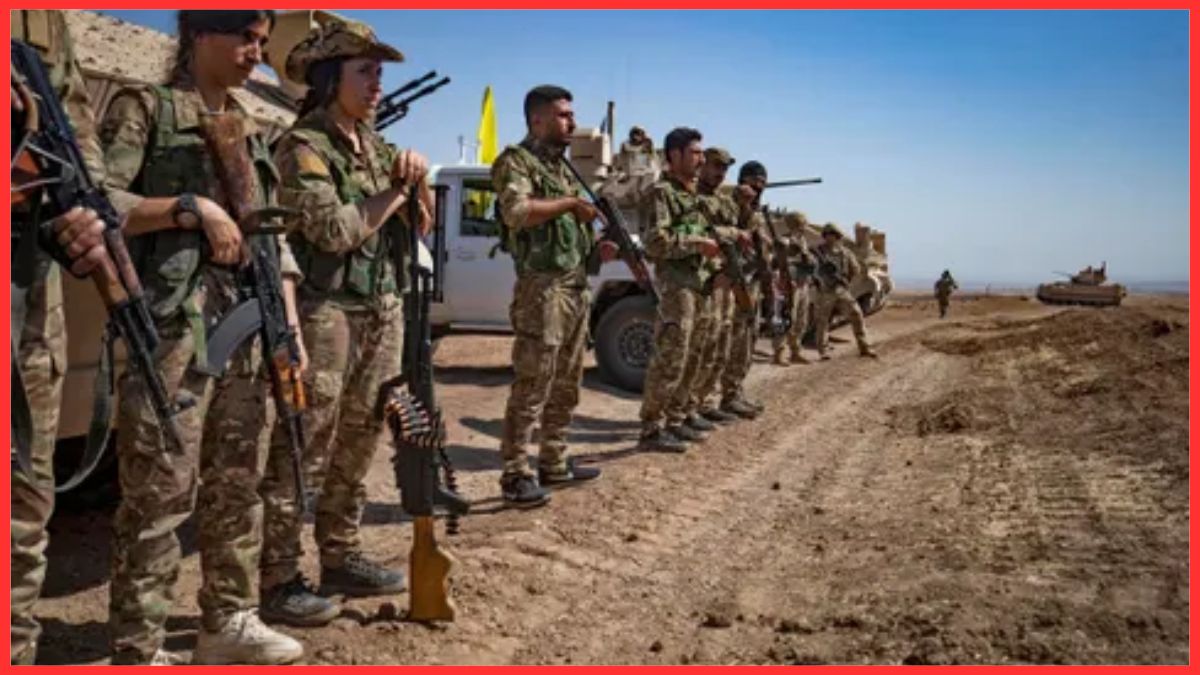
The Syrian government and the Kurdish-led Syrian Democratic Forces have entered a new phase of relations following a sudden ceasefire agreement that has significantly altered the balance of power in northern and eastern Syria, leaving the SDF weakened in territory, resources, and negotiating influence, according to analysts.
Syria–SDF Ceasefire Deal Marks Strategic Turning Point After Rapid Government Advances
The immediate ceasefire, agreed on Sunday after weeks of intermittent clashes, came in the wake of swift government military advances that rolled back years of SDF control across key areas of northern and eastern Syria. According to a 14-point agreement released by Syria’s information ministry, government forces retook Arab-majority districts previously held by the SDF and seized the country’s largest oil field early on Sunday, expanding state authority across large swathes of the region. Analysts speaking to Middle East Eye assessed that this battlefield shift deprived the SDF of critical revenue streams and leverage before negotiations even began, creating a stark contrast with earlier rounds of talks between the two sides.
Analysts Say SDF Concessions Reflect Loss of Leverage and Regional Realignment
Under the agreement, the SDF accepted the full and immediate administrative and military handover of Raqqa in the north and Deir Ezzor in the east, retaining control only over northeastern Hasakah. Middle East Eye reported that this outcome followed the SDF’s rejection in early January 2026 of a proposal that would have preserved regional divisions and shared control of border crossings. The new deal instead places all border crossings, oil fields, and gas fields under Damascus’s authority, with state institutions returning to central government control in formerly semi-autonomous areas.
The accord also assigns Damascus full legal and security responsibility for Islamic State detainees previously held by the SDF and confirms continued operations against remaining IS elements. Omer Ozkizilcik, a nonresident senior fellow at the Atlantic Council, told Middle East Eye that the terms closely mirrored offers previously extended by Ankara and Damascus, noting that the SDF had ultimately accepted conditions it had earlier declined. Syria analyst Fadil Hanci similarly told the publication that the agreement was more precise and reflected Damascus’s interpretation of earlier understandings, leaving less room for alternative readings.