
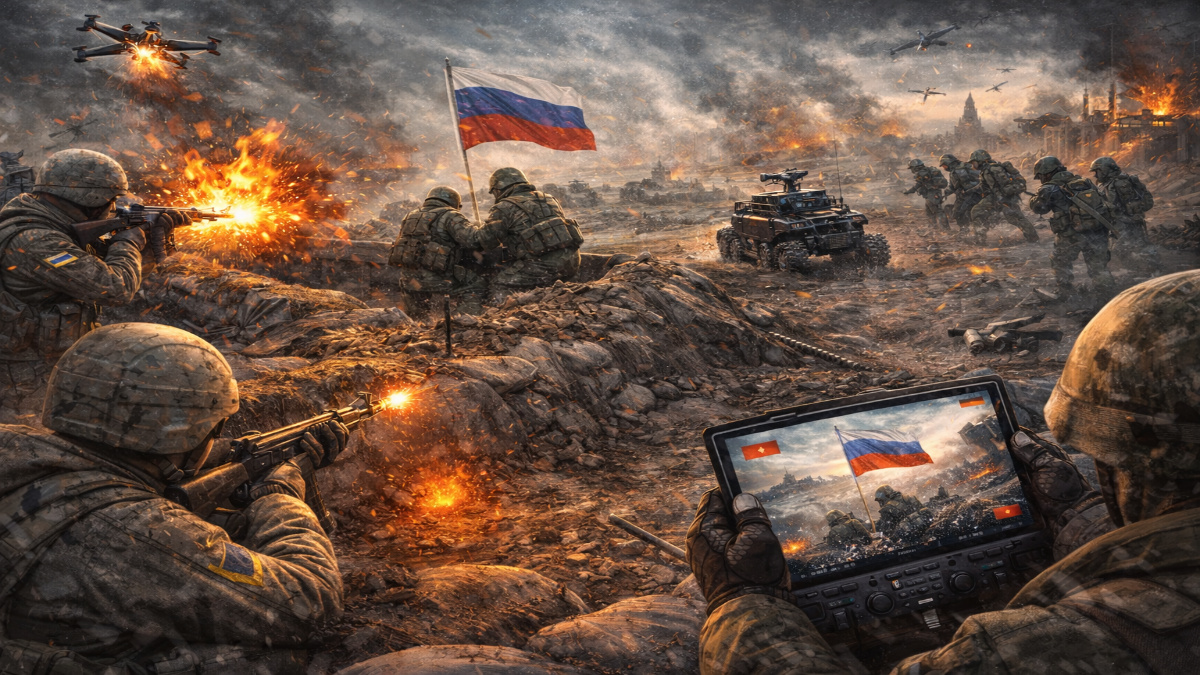
The fighting in Ukraine has shifted into a cold, calculated phase as we head into 2026. Kyiv isn’t obsessed with holding onto every scrap of land anymore. Instead, they’ve moved toward a “drain and reclaim” approach. The goal is to let Russian momentum tire itself out, even if it means temporarily stepping back from certain positions. It is a strategy that values keeping soldiers alive and killing off Russian resources over sticking to specific lines on a map. Reports from the front lines describe a brutal, repetitive cycle. When Russian assault groups move in, Ukrainian units often pull back immediately. But this is not a retreat; it is a setup. Once the Russian troops move into the empty trenches, they find themselves in a pre-calibrated kill zone. Ukraine then hammers the spot with mortars and FPV drones. By the time the survivors pull out, the Ukrainian squad simply moves back in. It is an efficient, heartless way to turn every minor Russian advance into a mass-casualty event. With their casualty counts climbing and the morale of new recruits hitting rock bottom, Moscow is turning to robots to do the dirty work. We are seeing a huge spike in ground-based drones, like the Courier UGV, taking over the most dangerous roles on the front. These machines are now the ones running supply lines and setting explosives on Ukrainian bunkers jobs that, until recently, were costing Russia dozens of lives every single day.
Russia has also changed how its humans fight. Instead of large, company-sized charges, they are sending in tiny “fire teams” of fewer than five men. These small groups try to slip through the gaps in the defense to hunt down drone operators and mortar teams in the rear. While these infiltration tactics have seen some success, they usually lack the heavy firepower needed to actually stay in the positions they reach. One of the stranger developments involves frontline Russian officers trying to trick their own bosses. Faced with orders to take ground they know is a death trap, some units are reportedly sending small teams forward just long enough to plant a Russian flag and film it with a drone. They then pull back, but the “capture” is reported up the chain. This leads to headquarters “coloring in the map” with territory that Russian forces do not actually control.