

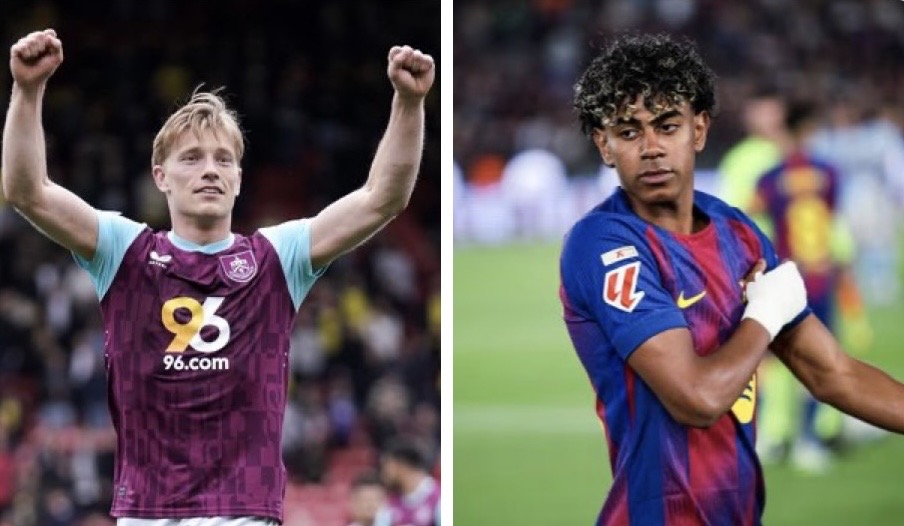
In a striking illustration of the financial gulf between Europe’s top leagues, relegated Premier League side Burnley are set to pocket approximately €50 million in parachute payments — more than FC Barcelona will receive for winning the 2025-26 La Liga title.
This eye-catching comparison has gone viral, highlighting the Premier League’s massive broadcasting revenues and the unique “parachute payment” system designed to ease the transition for clubs dropping to the Championship.
What Are Premier League Parachute Payments?
Parachute payments are solidarity distributions from Premier League broadcast deals paid to relegated clubs for up to three seasons. They typically represent 55% of a club’s equal share of TV money in the first year, tapering in subsequent seasons.
For Burnley, this means roughly £42-55 million (around €50 million) in the first season in the Championship. The system helps clubs maintain squad quality, service debts, and mount promotion challenges without immediate financial collapse.
Recent reports suggest Burnley could receive between £60m and £70m over multiple years, underscoring how even a relegated club benefits enormously from Premier League riches.
Barcelona’s La Liga Reward
In contrast, La Liga distributes prize money based on a mix of equal shares, performance, and other factors. Barcelona, as 2025-26 champions, are expected to earn around €46-55 million specifically tied to winning the title (with total TV income significantly higher).
The viral post compares Burnley’s first-year parachute directly to Barcelona’s merit-based reward for the title, sparking debates about league economics. While Barcelona’s overall revenues dwarf Burnley’s, the headline figure spotlights the Premier League’s superior broadcast deals.
Why This Matters
The Premier League’s broadcasting income far exceeds most European leagues, allowing even bottom clubs to receive substantial sums. This financial safety net has fueled criticism of a “yo-yo club” culture where teams like Burnley repeatedly go up and down, benefiting repeatedly from top-flight money.
For Burnley fans, the payment provides breathing room to rebuild and target an immediate return to the Premier League. For neutrals, it raises questions about competitive balance across European football.
As the transfer windows approach, expect Burnley to use these funds strategically while Barcelona continues navigating their own financial constraints despite domestic success.
This disparity underscores a broader truth in modern football: television money remains king, and the Premier League’s model continues to set the benchmark even for its relegated teams.