
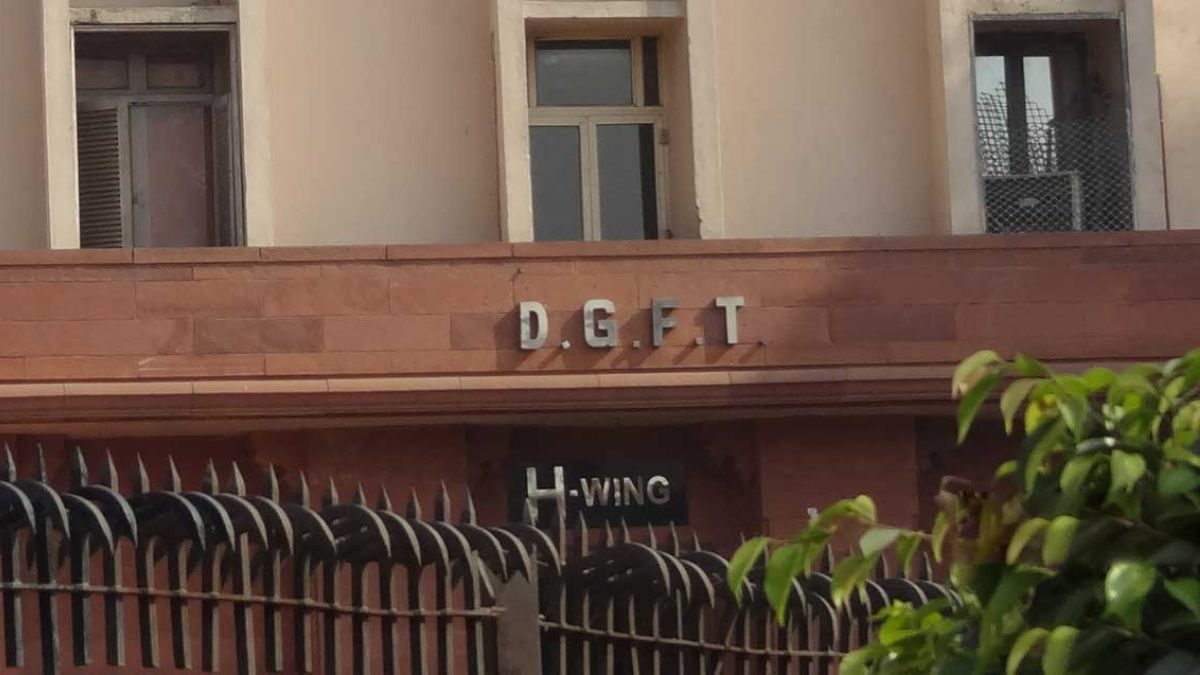
The Directorate General of Foreign Trade (DGFT) has announced a significant update to the Special Chemicals, Organisms, Materials, Equipment, and Technologies (SCOMET) list, reflecting the latest policy changes aimed at strengthening India’s export control regime. This revision is part of the government’s strategy to align with international non-proliferation norms and enhance national security measures.
The updated SCOMET list introduces several new items under its various categories, including chemicals, microorganisms, materials, and advanced technologies. These additions are in response to the evolving global security landscape and aim to prevent the proliferation of dual-use goods that could be misused for military purposes. The revised list also aligns India’s export controls more closely with those of global regimes such as the Wassenaar Arrangement, the Australia Group, and the Missile Technology Control Regime (MTCR).
The DGFT has included advanced semiconductor materials, certain bioengineered organisms, and high-performance computing technologies. These updates are critical in ensuring that India’s exports do not contribute to the development of weapons of mass destruction (WMDs) or other military applications by unauthorized entities or nations.
The DGFT’s decision to revise the SCOMET list comes in the wake of increased global scrutiny on the trade of sensitive goods, particularly in the context of rising geopolitical tensions. By tightening its export controls, India aims to bolster its international standing as a responsible trading nation committed to non-proliferation.
Exporters dealing in SCOMET-listed items are now required to obtain a license from the DGFT, with stricter scrutiny and documentation processes in place to ensure compliance with the updated regulations. The government has also introduced enhanced penalties for violations, signalling a zero-tolerance approach towards breaches of export controls.
Industry stakeholders have generally welcomed the revisions, acknowledging the need for robust controls in the face of global security challenges. However, some exporters have expressed concerns about potential delays and increased compliance costs. The DGFT has assured the industry that it will streamline the licensing process and provide the necessary support to exporters to adapt to the new requirements.