
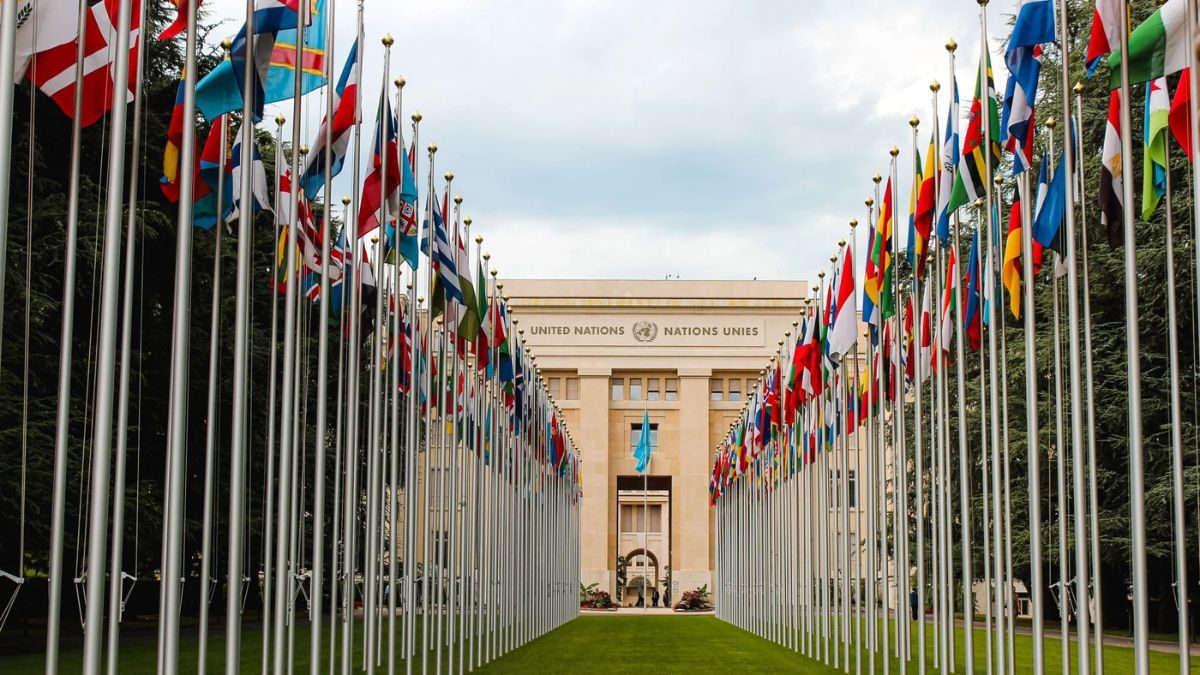
Chennai is set to become the epicentre of crucial discussions on global ocean governance as it hosts the upcoming High Seas Treaty deliberations. The event, scheduled for September 2024, will bring together representatives from over 190 nations, marking a significant step in international efforts to protect marine biodiversity in areas beyond national jurisdiction.
The High Seas Treaty, formally known as the Biodiversity Beyond National Jurisdiction (BBNJ) Treaty, aims to address the legal and environmental challenges posed by activities in the high seas, which cover nearly half of the Earth’s surface. These areas are currently governed by fragmented regulations, leaving them vulnerable to overfishing, pollution, and other harmful practices. The treaty seeks to establish a comprehensive framework for the conservation and sustainable use of marine resources, ensuring that activities in international waters are conducted responsibly.
The fair distribution of marine genetic resources, environmental impact assessments, and the creation of marine protected areas are anticipated to be among the main topics of discussion at the Chennai event. These discussions are crucial as they will determine how the treaty can be effectively implemented and enforced, ensuring that the high seas are preserved for future generations.
Environmental experts and advocates have hailed the upcoming discussions as a critical opportunity to advance ocean conservation efforts. The treaty is seen as a landmark agreement that could set new standards for international cooperation in managing the high seas, which are home to a vast array of marine species and ecosystems. Successful negotiations in Chennai could pave the way for stronger global commitments to protect the ocean, which plays a vital role in regulating the Earth’s climate and supporting human livelihoods.