
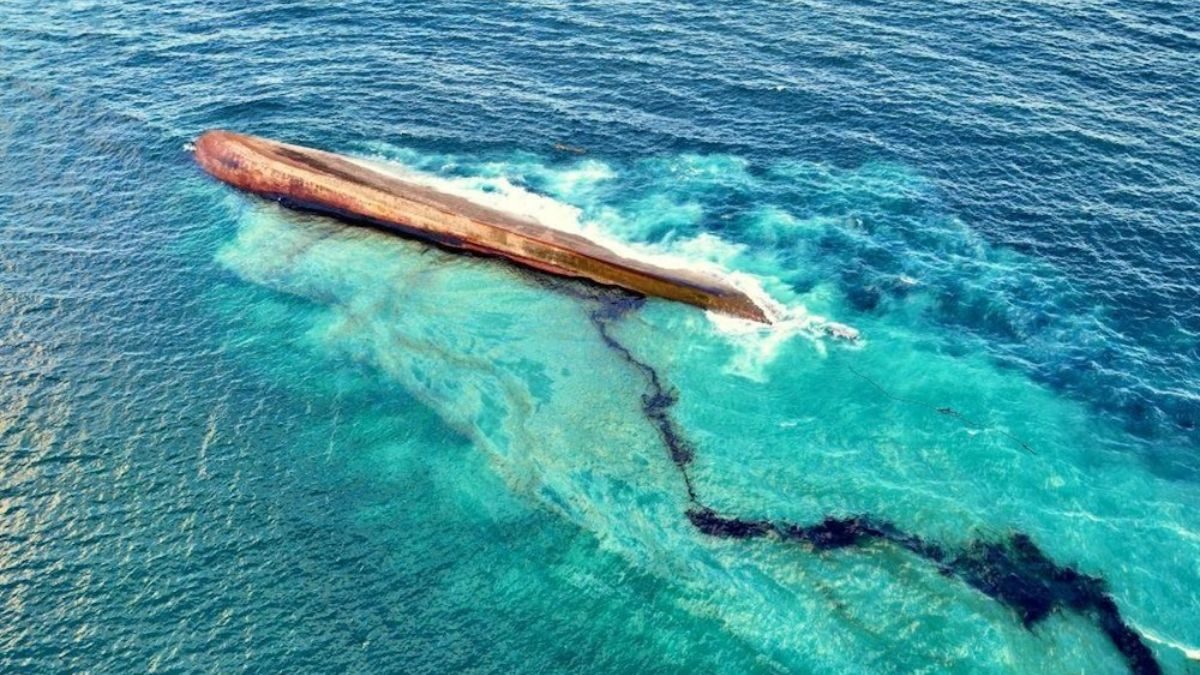
The removal of a capsized oil barge off the coast of Tobago has been completed, concluding a complex and protracted six-month operation. The barge, which had been lying submerged in the Caribbean Sea since late last year, posed a significant environmental risk and navigational hazard in the region.
The oil barge, named “MV Trinity Spirit,” capsized during heavy seas in December, prompting immediate concerns over potential oil spills and marine pollution. Although the vessel’s fuel tanks were secured shortly after the incident, efforts to remove the barge were delayed due to challenging underwater conditions and the intricate nature of the salvage operation.
The Trinidad and Tobago Coast Guard, in collaboration with international salvage experts, led the removal operation. Over six months, the team conducted extensive underwater surveys, devised a comprehensive salvage plan, and executed the complex task of lifting the barge from the seabed. The operation required specialized equipment, including heavy-lift cranes and remotely operated vehicles (ROVs), to safely refloat and tow the barge to a designated disposal site.
A spokesperson for the Coast Guard highlighted the operation’s success, noting that it was completed without any major environmental incidents.
Environmental groups, which had been closely monitoring the situation, expressed relief at the barge’s removal. However, they also called for stringent measures to prevent similar incidents in the future, emphasizing the need for better safety protocols for vessels operating in the region.
The successful removal of the capsized oil barge marks the end of a significant environmental concern for Tobago and underscores the importance of preparedness and swift action in maritime emergencies. The operation not only safeguarded the local marine ecosystem but also restored safe navigation in the area, ensuring that similar incidents do not disrupt the region’s vital shipping lanes.