
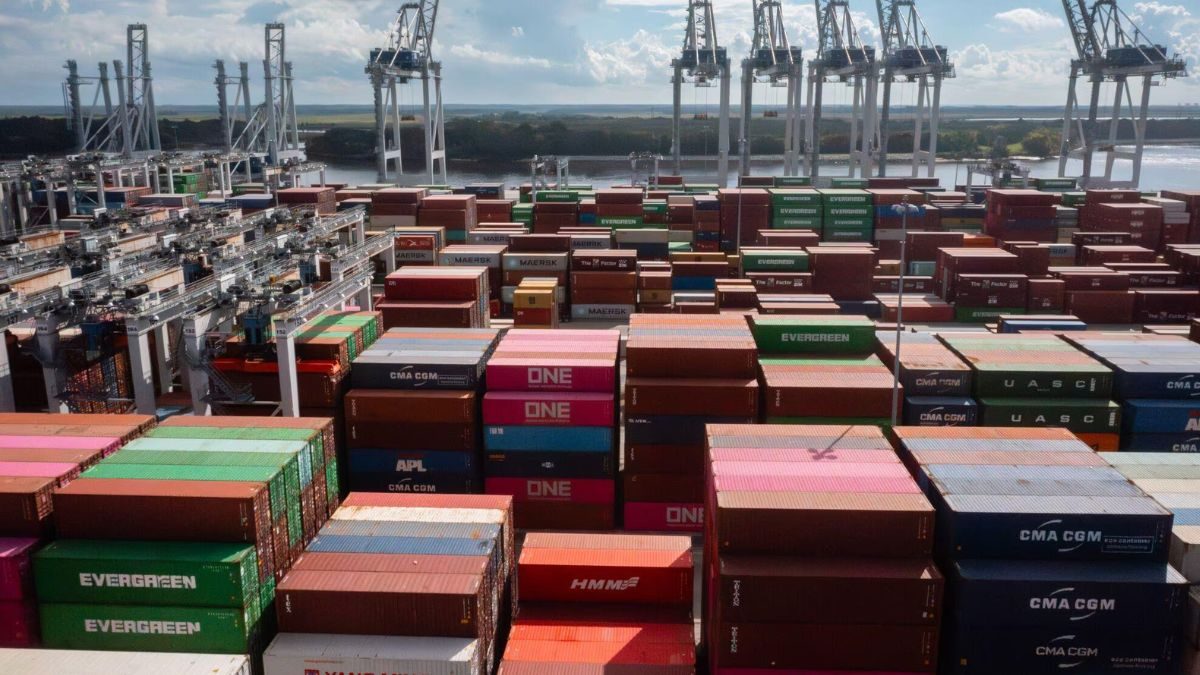
Global container manufacturers are experiencing a surge in demand, leading to significant overbooking as the shipping industry grapples with the ongoing challenges of supply chain disruptions and increasing trade volumes. The unprecedented demand for containers is putting pressure on manufacturers to ramp up production, with many companies reporting full-order books stretching well into the coming months.
The spike in orders is largely driven by the sustained growth in global trade, which has seen a sharp rebound following the pandemic-induced slowdown. As economies recover and consumer demand rises, the shipping industry has been pushed to its limits, leading to a scramble for additional containers to accommodate the increased cargo volumes.
Manufacturers, particularly in China, which dominates the global container production market, are struggling to keep up with the influx of orders. This has resulted in extended lead times for new containers, exacerbating existing bottlenecks in the supply chain. Industry insiders note that the situation is further complicated by disruptions in the availability of raw materials, such as steel, which are critical for container production.
The overbooking of container manufacturers highlights the broader challenges facing the global shipping industry, including port congestion, delays, and rising freight costs. These issues have contributed to a ripple effect across the supply chain, impacting everything from raw material availability to the timely delivery of finished goods. The ongoing container shortage has forced shipping companies to explore alternative solutions, such as optimizing the use of existing containers and increasing the efficiency of logistics operations.
Industry experts warn that unless the manufacturing capacity is significantly expanded, the current situation could persist, potentially leading to longer-term disruptions in global trade. The pressure on container manufacturers is likely to continue as the demand for shipping services remains robust, fueled by the rapid growth of e-commerce and the ongoing recovery of global supply chains.
In response to the demand, some manufacturers are exploring options to increase production capacity, including the expansion of existing facilities and the establishment of new production lines. However, these efforts may take time to materialize, meaning the industry will need to navigate the current challenges in the interim.