

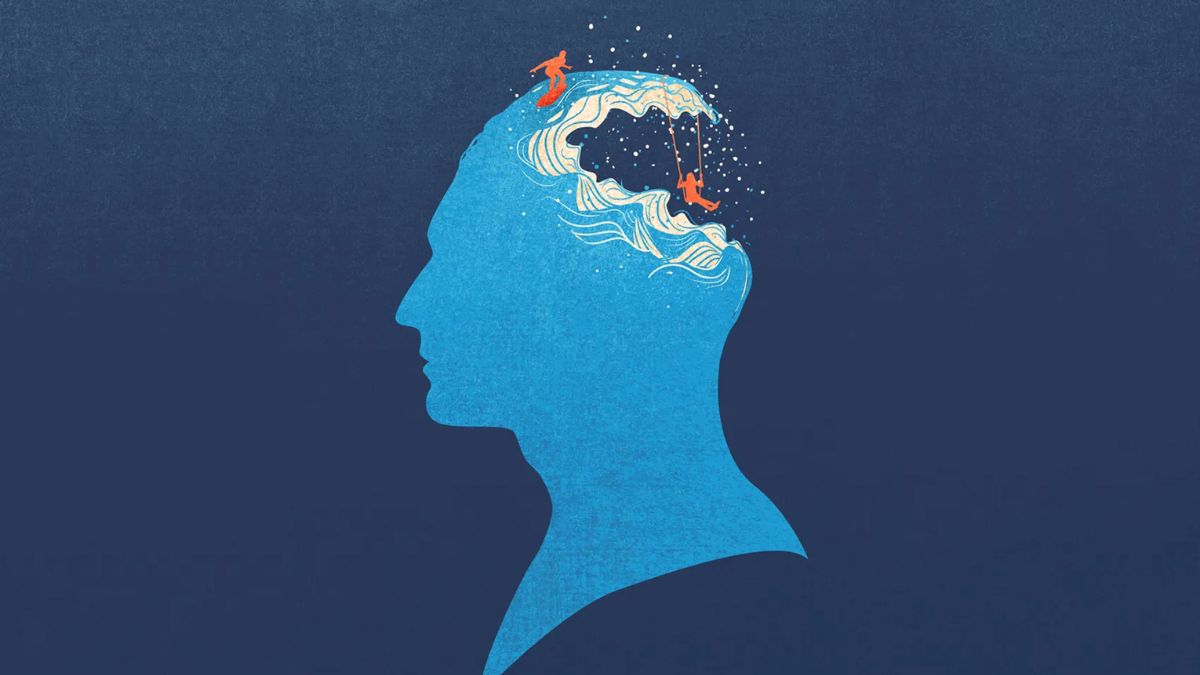
That feeling is actually more common than people realize, and it usually shows up during periods of inner change. It creates a strange gap where your thoughts, awareness, or emotions feel different, but your external life still looks like it belongs to an older version of you.
One main reason this happens is timing mismatch between inner and outer change. Internal change often happens first. You start thinking differently, feeling differently, or seeing life in a new way. But your external life like habits, job, relationships, environment, and responsibilities takes longer to adjust. So for a while, the inside moves faster than the outside.
Another reason is identity lag. Your brain is still operating on older patterns that were built over time through repetition. Even if you’ve changed internally, your environment still responds to the version of you that it already knows. That creates a delay where people, situations, and routines continue reinforcing your past identity.
There is also the weight of established choices. The life you have today is built on past decisions. Education, career direction, relationships, and habits were all formed by a previous mindset. Even when you change internally, those existing structures do not immediately change with you. So you end up living inside a system that reflects an older version of your thinking.
Another factor is behavioral inertia. Change in awareness is faster than change in action. You might feel different, but your daily routines still run automatically. The mind understands the shift, but the body and habits are still catching up. This creates a disconnect between who you feel you are and what your life currently shows.
External expectations also play a role. People around you may still treat you based on your old identity. They respond to the version of you they are familiar with, not the new awareness you are experiencing internally. This reinforcement can make it harder for your external reality to shift quickly.
Fear of disruption can also slow down external change. Even when someone internally outgrows their current situation, making visible changes often requires risk, uncertainty, or uncomfortable decisions. So instead of immediate transformation, there is a phase where awareness changes, but action is still delayed.
Another subtle reason is that inner transformation is not always immediately visible. Just because you feel different does not mean everything about your external life will instantly reflect it. External change usually requires consistent new behavior over time before it becomes visible in your surroundings.
This gap can feel confusing because it creates a sense of living between two identities. One version of you already feels evolved, aware, or different, while another version is still operating in the world you built earlier. That tension is often what creates the feeling of being “split” inside.
But this stage is not a contradiction. It is actually a transition phase. Inner identity usually changes first because awareness shifts before structure does. External life then slowly reorganizes based on repeated new choices, not instant realization.
Over time, as new decisions are made consistently, the outer world begins to align with the inner shift. Relationships adjust, habits change, opportunities shift, and your environment gradually starts reflecting who you are becoming rather than who you were.