

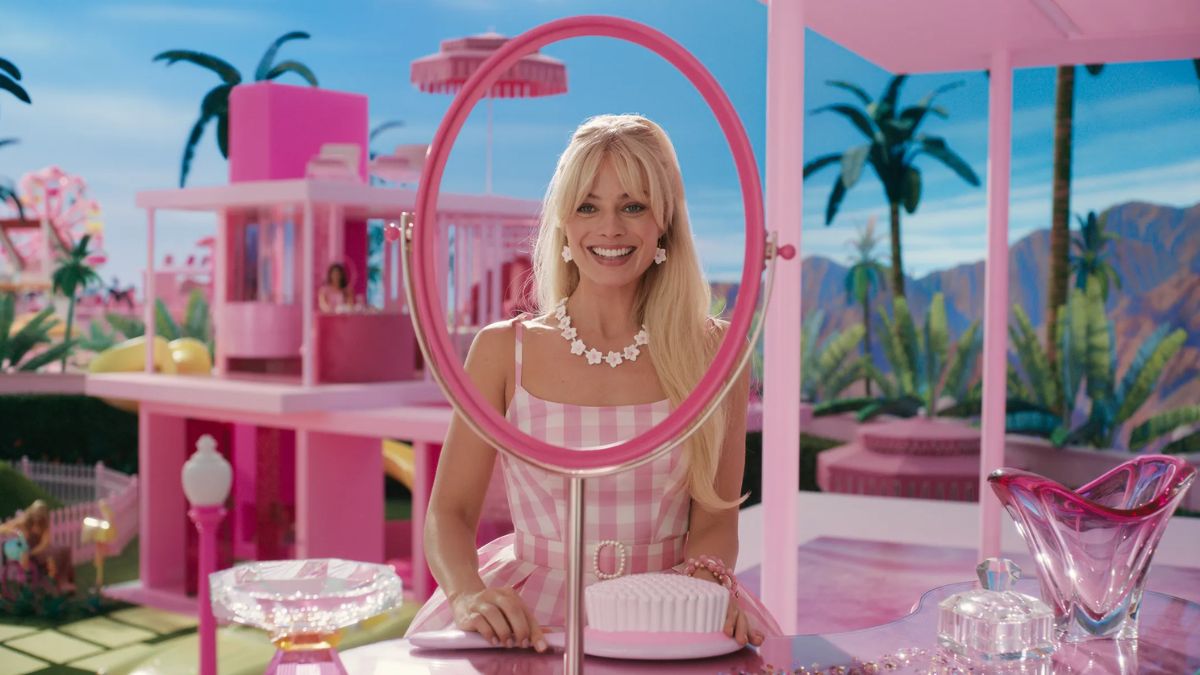
You can’t stop curating your image because, over time, your mind learns that how you appear affects how you are treated, perceived, and valued.
At first, image-curation is intentional. You choose how you present yourself in different spaces, how you speak, what you share, how you want to be seen. It feels like control, like shaping identity. But gradually, that control starts running in the background even when you’re not actively trying.
That’s where it becomes automatic.
Instead of only curating when you post or interact publicly, a part of your mind starts doing it in everyday moments. You notice how you come across in conversations, how your reactions might look, how your behavior fits the version of you that feels acceptable or recognizable.
One reason this doesn’t switch off is social conditioning.
From an early stage, you learn that people respond differently depending on how you present yourself. Approval, attention, respect, or even basic acceptance can feel tied to appearance, tone, confidence, or expression. So your mind keeps adjusting, even subtly, to maintain a sense of safety or belonging.
There’s also internal identity pressure.
Once you have a certain “version” of yourself in mind, even if it’s not clearly defined, you start trying to stay consistent with it. If you see yourself as confident, calm, interesting, or put-together, anything that doesn’t match that can feel slightly uncomfortable or “off-brand,” even if it’s completely natural.
Another layer is awareness.
The more you engage with spaces where people are observed or compared, the more self-aware you become. That awareness doesn’t turn off easily. You start watching yourself in real time, adjusting before you even think about it.
Over time, this creates mental fatigue.
You’re not just living moments, you’re also managing how they would look from the outside. That dual processing, experiencing and editing at the same time, takes energy even if it feels subtle.
There’s also fear underneath it.
Fear of being misunderstood, judged, or seen in a way that doesn’t match your intention. Curating your image becomes a way to reduce that uncertainty. If you control how you appear, you reduce the risk of being misread.
But the cost is spontaneity.
Natural reactions can feel slightly filtered. Emotions get shaped before they are expressed. Even private behavior can carry a sense of being “managed.”
The truth is, image curation starts as adaptation, but becomes habit when the mind keeps expecting observation.
Relief doesn’t come from completely stopping it overnight, but from loosening its grip.
Allowing yourself to be slightly inconsistent. Letting some moments exist without correction. Choosing not to evaluate every expression of yourself.