
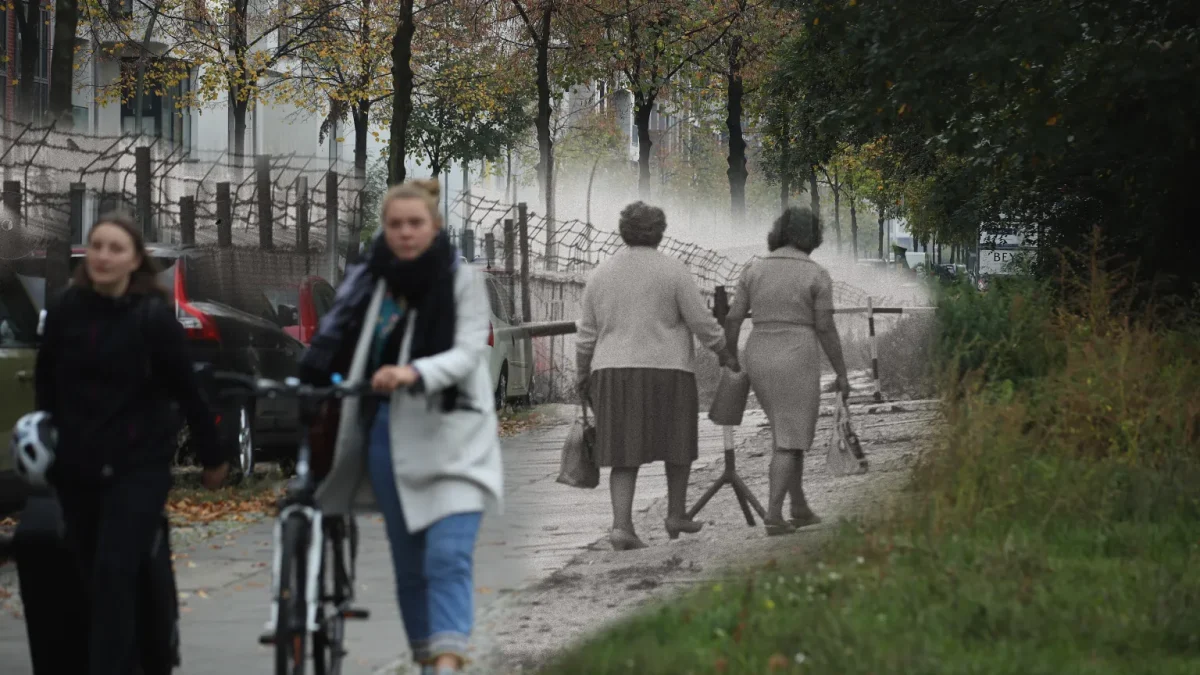
Few symbols from the Cold War era evoke as much significance and historical weight as the Berlin Wall. Spanning almost three decades, this formidable structure encircled West Berlin, effectively severing it from East Berlin. Manned by armed guards who patrolled its length, the wall stood as a stark physical manifestation of the ideological divide between the capitalist West and the communist East. Tragically, many individuals lost their lives in desperate attempts to breach its imposing barriers.
The pivotal moment of the wall’s demise occurred in November 1989, an event widely regarded as the catalyst for the unraveling of communism in Central and Eastern Europe. Within weeks, the Cold War itself would officially draw to a close, culminating in December of the same year. Yet, the origins of this imposing barrier trace back to the aftermath of World War II and the complex geopolitical landscape that emerged in its wake.
Following the defeat of Nazi Germany, the Allied powers—comprising the United Kingdom, France, the United States, and the Soviet Union—divided pre-war Germany into four occupation zones. Berlin, though situated within the Soviet zone, was similarly divided into four sectors, each governed by one of the occupying powers. However, tensions soon escalated between the Western Allies and the Soviet Union, leading to the consolidation of the Western sectors into a single zone to facilitate reconstruction efforts. Meanwhile, the Soviet-controlled East established the German Democratic Republic (GDR), while the Western sectors formed the Federal Republic of Germany, effectively setting the stage for the division of Germany into East and West.
As the quality of life in West Germany began to outpace its Eastern counterpart, a mass exodus of East Germans ensued, with many utilizing West Berlin as a gateway to freedom. This influx of emigration posed a significant challenge to the Soviet-backed regime in the East, exacerbating ideological comparisons between the capitalist West and the communist East. In response, the East German authorities erected barbed wire fences and imposed stringent travel restrictions on residents of East Berlin, effectively curtailing their movement into the West.
The construction of the Berlin Wall commenced on August 12, 1961, as the East German government sought to fortify its borders and stem the tide of emigration. What began as a series of temporary barriers soon evolved into a formidable concrete structure, equipped with guard posts, minefields, and watchtowers. Despite its eventual fall in 1989, the Berlin Wall endured as a potent symbol of division and oppression, leaving a lasting imprint on the collective memory of Berlin and the world at large. Today, remnants of the wall serve as poignant reminders of a bygone era, preserving the memory of those who perished in pursuit of freedom and unity.
