
As the anticipation for Hollywood’s most iconic night, the Oscars, mounts, movie enthusiasts and devoted film buffs eagerly await to see which cinematic masterpieces will claim the coveted golden statuette. Yet, amidst the excitement surrounding the ceremony, one of the most intriguing facets lately revolves around those who find themselves conspicuously absent from the guest list—namely, those who have been disinvited.
Over the years, the Academy Awards has witnessed its fair share of controversial moments, resulting in the banning of several prominent figures from attending the ceremony. This year is no exception, with audiences eager to discern who will grace the red carpet and who will be conspicuously absent. Perhaps the most unforgettable incident in recent memory, which led to a stunning ban, was the infamous altercation between Will Smith and Chris Rock, famously dubbed the “slap heard ’round the world.” While Smith received a decade-long ban for his actions, another actor, Richard Gere, has been absent from the Oscars for decades due to a ban that still captures public interest as the 2024 Oscars draw near.
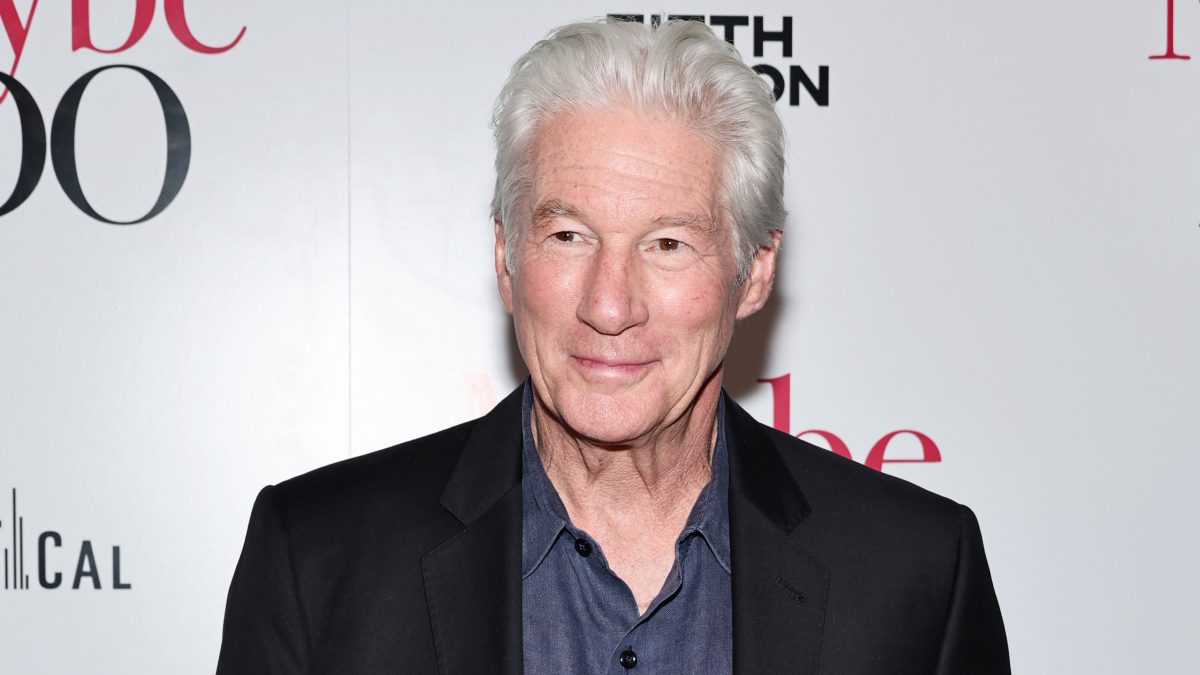
Why was Richard Gere banned from the Academy Awards? In 1993, the renowned actor took to the stage to present the Best Art Direction award. However, instead of adhering to the scripted lines, Gere seized the opportunity to address a cause close to his heart—the dire human rights situation in Tibet. In a bold and impassioned speech, he denounced the injustices perpetrated against the Tibetan people by the Chinese government, urging viewers to send love and truth to the chairman of the Chinese Communist Party at the time, Deng Xiaoping. Despite eventually returning to the scripted material, Gere’s impromptu advocacy resulted in his banishment from the Oscars and an indefinite prohibition of his movies in China.
Although the Academy purportedly denies banning presenters, Gere’s ban endured for two decades, impacting his career and collaborations within the industry. The actor remained undeterred, continuing to advocate for Tibetan independence and meeting with the Dalai Lama to discuss the ongoing struggles faced by the Tibetan people. While Gere ultimately returned to the Oscars in 2013, jokingly remarking that “if you stay around long enough, they forget they banned you,” his unwavering commitment to the cause has solidified his status as a steadfast advocate.
Gere’s ban sheds light on the broader issue of censorship and diplomatic tensions surrounding Tibet and China. The region’s rich cultural heritage, deeply rooted in Tibetan Buddhism, has long clashed with China’s atheistic policies and assertions of control. Despite international scrutiny and advocacy efforts by Gere and other celebrities, the Chinese government persists in suppressing Tibetan culture and stifling dissent, sparking ongoing calls for autonomy and respect for human rights.
In solidarity with Gere’s advocacy, numerous actors and artists have voiced support for the Tibetan independence movement, including Amy Adams, Bradley Cooper, Hugh Jackman, and Jeremy Renner. As the 2024 Oscars approach, Gere’s ban serves as a reminder of the enduring struggle for justice and freedom in Tibet, and the importance of using one’s platform to effect positive change.
