
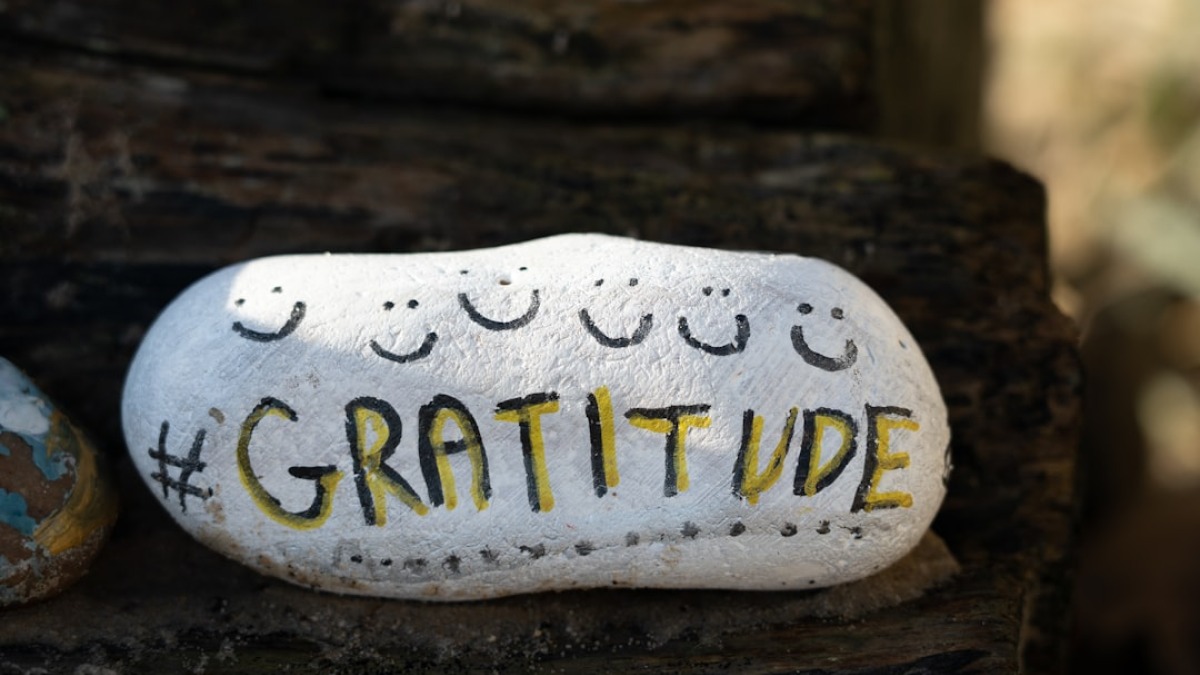
January marks a natural starting point for gratitude practices, as Americans reflect on the year gone by and set intentions for the months ahead. Gratitude has become a key element of New Year wellbeing routines, offering a positive and grounded way to begin the year.
Reflection encouraging gratitude
The transition into a new year encourages reflection on experiences, relationships, and personal growth. This reflective mindset naturally supports gratitude, helping individuals recognise progress and positive moments.
January provides mental space to appreciate what has been meaningful.
Simple gratitude habits gaining popularity
Gratitude practices in January are often simple and accessible. Writing daily reflections, noting positive moments, or sharing appreciation with loved ones are common approaches.
These habits require minimal time while delivering emotional benefits.
Gratitude and mental wellbeing
Practising gratitude supports emotional balance and optimism. Many people find that gratitude helps reframe challenges and maintain perspective.
This makes gratitude particularly relevant at the start of the year, when individuals are motivated to adopt positive habits.
Building consistency throughout the year
Starting gratitude practices in January helps establish consistency. When integrated into daily routines, gratitude becomes a lasting habit rather than a temporary exercise.
As a result, gratitude continues to shape emotional wellbeing well beyond the first month of the year.
