
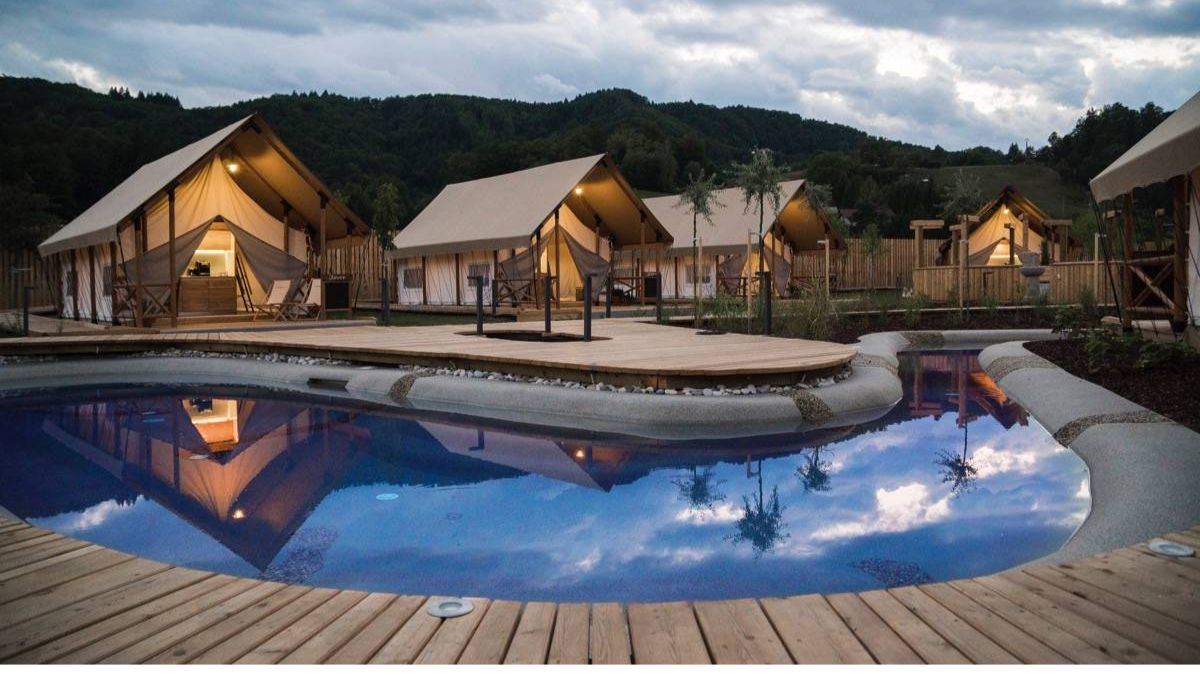
Eco-resort glamping has become a top choice for conscious travelers who want to explore the world responsibly. These travelers care about the environment, local communities, and sustainable living, and glamping offers a way to enjoy nature while staying true to these values. Unlike traditional hotels or resorts, eco-resort glamping emphasizes minimal impact, ethical practices, and immersive experiences that connect guests to the land and culture around them.
One reason for its popularity is sustainability. Eco-resorts use renewable energy, eco-friendly materials, water-saving systems, and waste management practices that reduce environmental harm. Guests can enjoy luxury and comfort without contributing to pollution or overconsumption, making every stay feel responsible and meaningful.
Supporting local communities is another key factor. Many eco-resorts source food locally, hire local staff, and involve residents in guiding tours or workshops. Conscious travelers appreciate that their visit benefits people in the region, promotes traditional knowledge, and strengthens the local economy rather than exploiting it.
Nature connection is also a major draw. Eco-resort glamping is often set in forests, mountains, beaches, or deserts, where guests can observe wildlife, take guided walks, practice yoga, or simply enjoy quiet time outdoors. These experiences encourage mindfulness and foster a deeper respect for the environment.
Finally, conscious travelers are drawn to the unique and authentic experiences glamping provides. From farm-to-table meals to cultural workshops, wildlife safaris, and eco-friendly adventures, every element of the stay aligns with values of awareness, sustainability, and responsibility.
In short, eco-resort glamping is popular among conscious travelers because it offers comfort, adventure, and luxury while promoting sustainability, supporting communities, and encouraging a mindful connection with nature. It allows travelers to enjoy their journey fully without compromising their ethical principles.
