
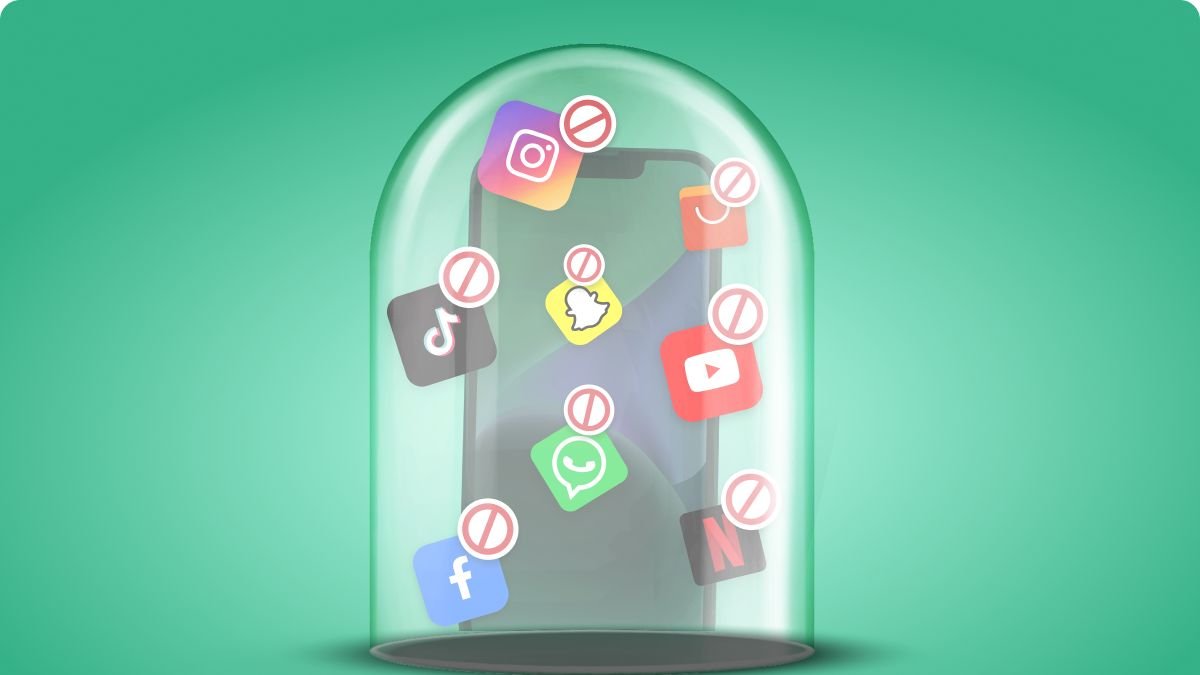
Digital minimalism is more than a passing trend because it addresses fundamental aspects of mental health, focus, and overall well-being in a world dominated by constant digital stimulation. While trends come and go, the principles of digital minimalism—intentional use of technology, reducing distractions, and prioritizing meaningful interactions—respond to real challenges that affect productivity, sleep, and emotional balance. It’s not about rejecting technology entirely but about creating a healthier relationship with it, ensuring that devices serve your life instead of controlling it.
The philosophy behind digital minimalism emphasizes quality over quantity. By choosing how, when, and why to engage with screens, people reclaim time that would otherwise be lost to endless scrolling, notifications, or passive consumption. This intentional approach allows the mind to rest, focus more deeply, and cultivate creativity, which has lasting benefits beyond any fleeting trend. It also strengthens real-world connections, as people spend more time engaging meaningfully with others instead of seeking validation or distraction online.
Moreover, digital minimalism has measurable effects on mental and physical health. Reduced screen time improves sleep, lowers stress, and enhances mood, while giving the brain space to process thoughts and emotions without constant interruption. These benefits extend far beyond aesthetics or productivity hacks—they create a sustainable foundation for mental clarity, emotional resilience, and mindful living. Unlike trends that fade quickly, digital minimalism addresses the core tension between human attention and technology, making it a timeless approach to living more intentionally in a hyperconnected world.
