
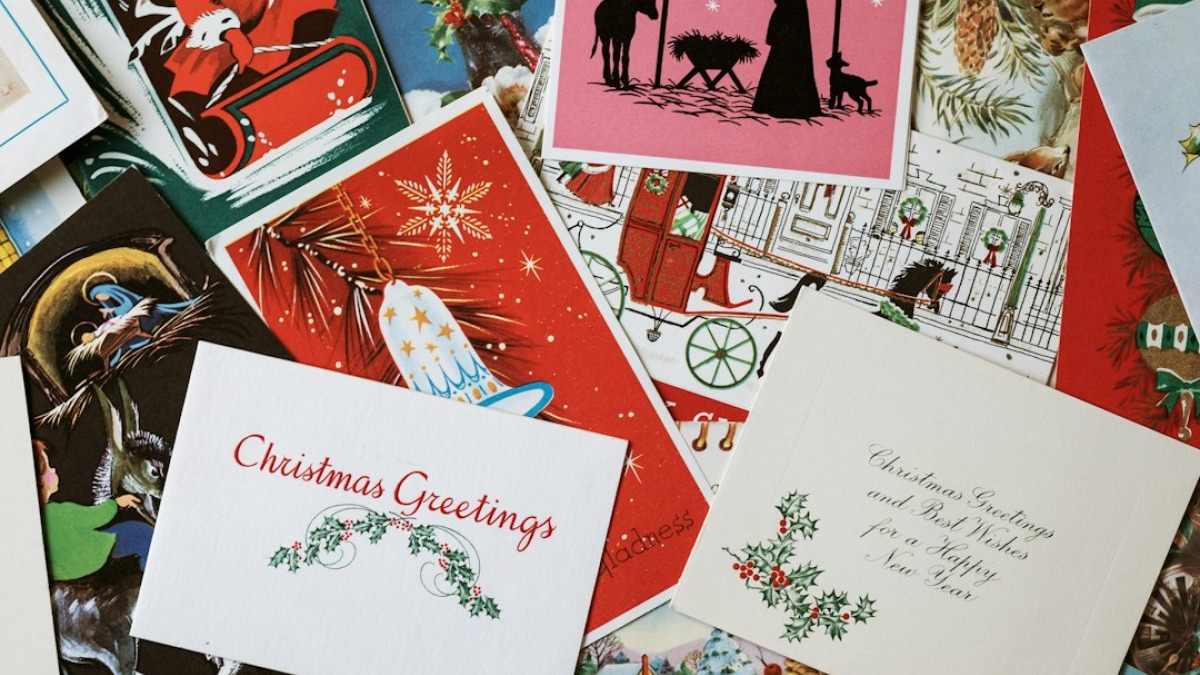
The tradition of exchanging Christmas cards
The exchange of Christmas cards is a long-standing tradition that continues to play an important role in festive celebrations, particularly in the United States and the United Kingdom. Despite the rise of digital communication, sending and receiving Christmas cards remains a meaningful way to express goodwill, maintain relationships, and mark the holiday season with thoughtfulness and care.
Christmas cards serve as both a personal message and a cultural symbol, reflecting connection, celebration, and seasonal warmth.
Historical origins of Christmas cards
The tradition of exchanging Christmas cards began in the mid-19th century. The first commercially produced Christmas card was created in England in 1843, designed as a way to send holiday greetings efficiently. The idea quickly gained popularity and spread internationally, including to the United States.
As postal services expanded and became more accessible, Christmas cards emerged as a practical and heartfelt way for families and friends to stay connected during the festive season.
The social importance of Christmas cards
Christmas cards have traditionally been used to maintain personal and professional relationships. Families often send cards to relatives they may not see in person, while workplaces use them to express appreciation and seasonal goodwill.
This exchange reinforces social bonds and helps sustain long-distance connections. Even a simple card carries emotional value, reminding recipients that they are remembered during a time centred on togetherness.
Design, messages, and symbolism
Christmas cards commonly feature festive imagery such as trees, snow scenes, stars, and religious motifs. Messages often focus on peace, joy, gratitude, and hope for the coming year.
Personalised notes add depth to the tradition, transforming cards into keepsakes rather than simple greetings. This personal element is a key reason the practice continues to hold significance.
Why the tradition continues today
Despite digital alternatives, physical Christmas cards remain popular because they feel intentional and tangible. They represent effort, care, and tradition.
Exchanging Christmas cards continues to offer a quiet yet meaningful way to participate in the festive season, preserving connection, reflection, and goodwill.
