

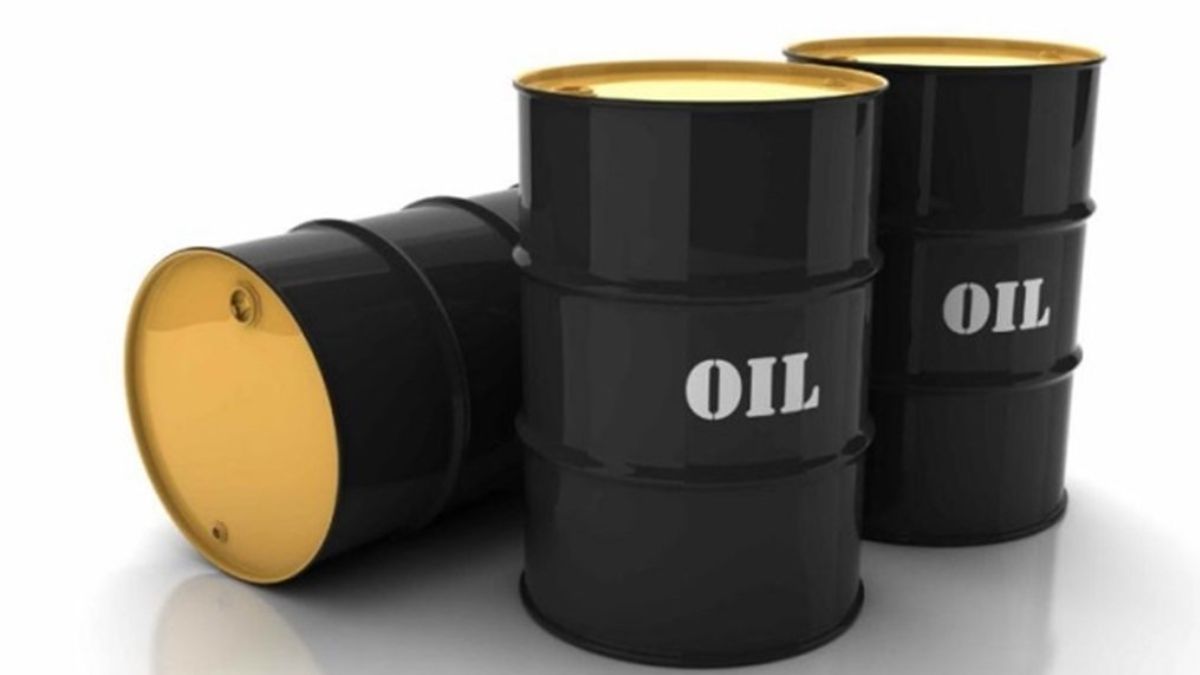
Brent Crude Oil remains relevant even during the global energy transition because oil is still a major part of the world’s energy system, and the transition away from it is happening gradually, not instantly.
Even though renewable energy like solar and wind is growing fast, the global economy still depends heavily on oil for transportation, aviation, shipping, and many industrial processes. Since Brent is used as the main global pricing reference for oil, it continues to be necessary as long as oil trading remains significant.
Another reason is that global oil markets are still large and highly active. Countries continue to produce, export, and import crude oil every day. Brent is deeply embedded in these transactions, so replacing it would require a completely new global pricing system, which is not practical in the short term.
Brent also remains important because it is used in financial markets. Many contracts, futures, and risk management tools are linked to Brent prices. Banks, airlines, shipping companies, and energy firms depend on it to hedge against price changes. This financial infrastructure cannot be easily replaced, even if energy systems evolve.
In addition, the energy transition itself still relies on oil in many areas. For example, building renewable energy systems requires manufacturing, transportation, and infrastructure that still use petroleum-based fuels. So oil remains a supporting part of the transition process.
Another key point is that Brent is not tied only to physical oil production levels but to market pricing. Even if demand gradually changes over time, as long as oil is traded globally, there needs to be a transparent benchmark. Brent continues to serve this role because it reflects real-time global supply and demand conditions.
Finally, there is no equally established alternative with the same global acceptance. While other benchmarks like West Texas Intermediate (WTI) and Dubai Crude Oil exist, Brent remains the most widely used international reference.
In simple terms, Brent crude stays relevant because the world still uses a lot of oil, global markets still depend on oil pricing, and there is no replacement system that matches its scale and acceptance. Even in an energy transition, it continues to act as the central pricing signal for global oil trade.