

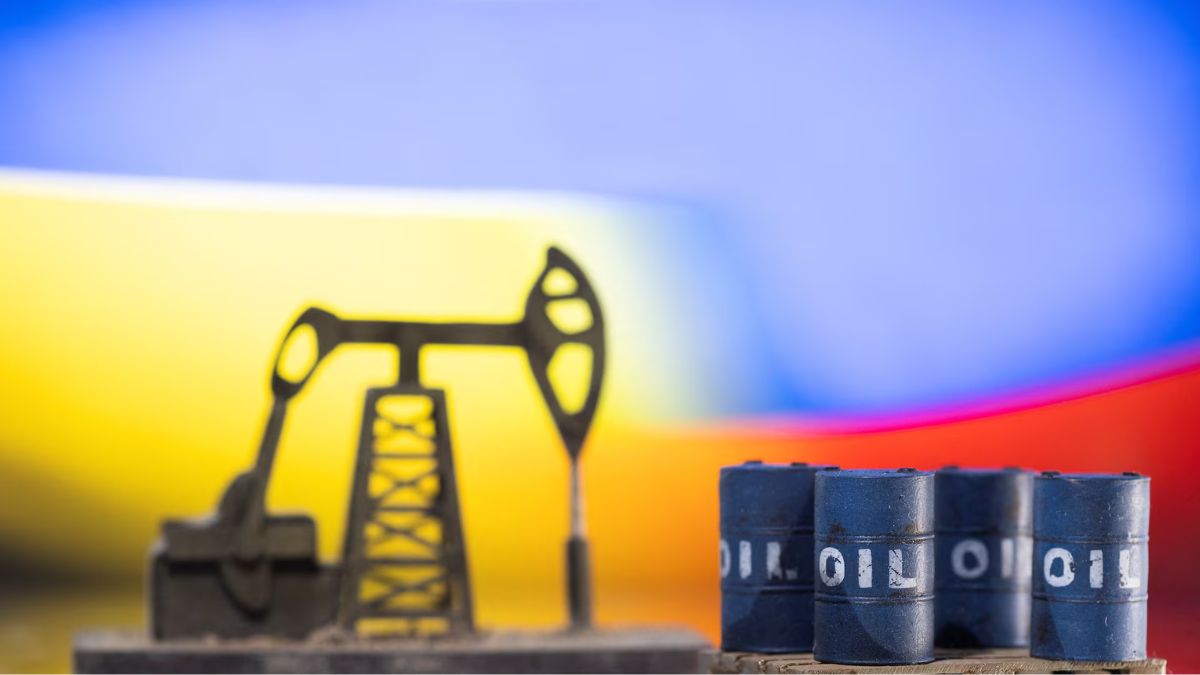
Brent crude reacts to shipping lane disruptions because a large share of global oil supply depends on safe and uninterrupted maritime transport routes, and any disturbance creates immediate concerns about availability and delivery delays.
When shipping lanes are disrupted, oil tankers may be forced to take longer routes, slow down, or stop operations altogether. This reduces the efficiency of global oil movement and can temporarily restrict supply to key markets. Even if oil production remains unchanged, the difficulty in transporting it creates a sense of tighter supply, which can push Brent crude prices higher.
Critical maritime chokepoints are especially important. A significant portion of global oil trade passes through a few strategic routes. If these areas face geopolitical tension, security threats, or operational blockages, markets quickly factor in the risk of delayed or reduced shipments.
Disruptions also increase shipping and insurance costs. When routes become risky or uncertain, insurance premiums rise and freight rates increase. These additional costs often get reflected in overall oil pricing, adding upward pressure on Brent crude.
Markets respond very quickly to news about shipping lane risks because oil is traded globally and relies on continuous movement between producers and consumers. Even the possibility of disruption can lead to price volatility as traders adjust expectations.
Another factor is inventory uncertainty. If shipping lanes are disrupted, oil may build up in some regions while shortages occur in others. This imbalance affects regional pricing and contributes to fluctuations in Brent crude.
However, the impact can vary depending on how long the disruption lasts and whether alternative routes or supply sources are available. Short-term disruptions often cause sharp price spikes, while longer-term solutions may stabilize the market again.
In simple terms, Brent crude reacts to shipping lane disruptions because they threaten the smooth flow of global oil trade. Any risk to transportation routes increases uncertainty about supply, which leads to higher volatility and often higher prices in the oil market.