

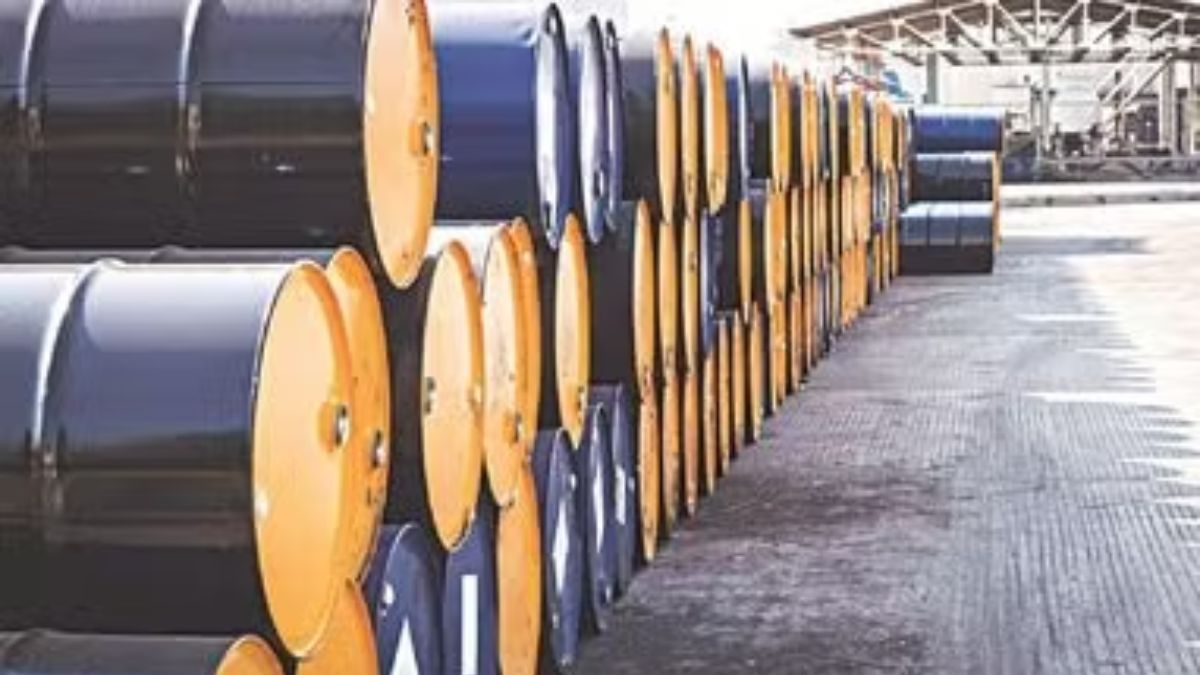
Brent Crude Oil pricing influences global economies because oil is one of the most essential commodities in the world. Almost every major economic activity depends on it in some way, from transportation to manufacturing to electricity generation in some regions. Since Brent is used as the main global reference price, any change in it spreads across countries very quickly.
One of the biggest reasons is that oil is priced internationally in dollars and Brent acts as the standard reference for most of these transactions. So when Brent prices rise, importing countries have to spend more money to buy the same amount of oil. This increases costs for transportation, goods production, and even food distribution, because fuel is used at every stage of supply chains.
Brent pricing also affects inflation. When oil becomes expensive, it increases the cost of petrol, diesel, and jet fuel. These higher energy costs then get passed on to consumers through higher prices for goods and services. This is why central banks and governments closely watch Brent prices when planning economic policies.
For oil-producing countries, Brent price movements directly affect national income. Countries that export oil earn more revenue when prices rise and face budget pressure when prices fall. Many national budgets, especially in oil-dependent economies, are built assuming a certain Brent price level.
Financial markets are also deeply linked to Brent. Investors trade oil futures based on Brent, and these prices influence stock markets, currency values, and investment flows. For example, when Brent prices rise sharply, energy companies may benefit, but airlines and transport companies may face losses due to higher fuel costs.
Brent also affects trade balances between countries. Import-heavy economies may see their trade deficits increase when oil prices go up, while export-heavy oil economies see surpluses improve. This shifts global money flows and can even impact exchange rates.
In simple terms, Brent Crude Oil pricing matters because it acts like a global cost signal. It tells the world how expensive energy is, and since energy is at the center of almost every economic activity, its price influences growth, inflation, trade, and financial stability across countries.