

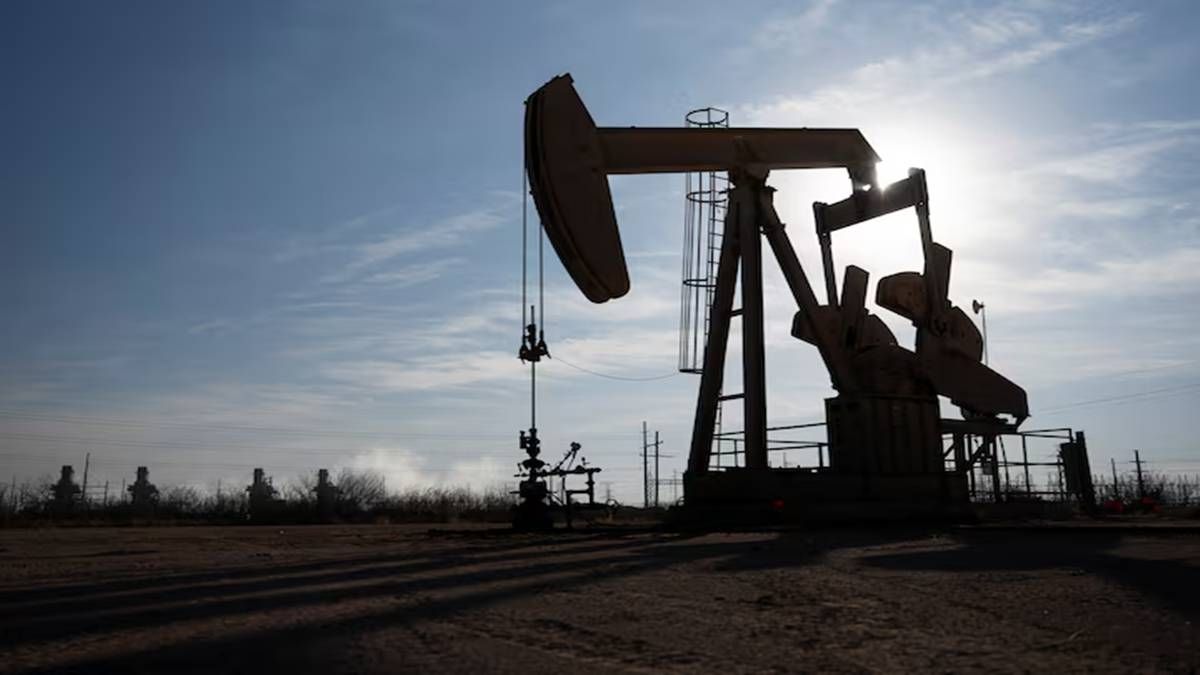
Brent crude is part of global economic planning because it is one of the most important indicators of energy cost, inflation pressure, trade balance, and overall economic stability. Since oil is used in almost every sector of the economy, changes in Brent crude prices can influence national and global financial decisions.
Governments and central banks closely track Brent crude when planning budgets and economic policies. When oil prices rise, transportation, manufacturing, and production costs increase. This often leads to higher inflation, which can affect interest rate decisions and monetary policy. By monitoring Brent crude, policymakers can prepare for inflation trends in advance.
It is also important for national budgeting. Many countries estimate future spending and revenue based on expected oil prices. Oil-importing nations use Brent crude forecasts to plan fuel subsidies, import costs, and foreign exchange needs. Oil-exporting nations use it to estimate government revenue and plan public spending.