

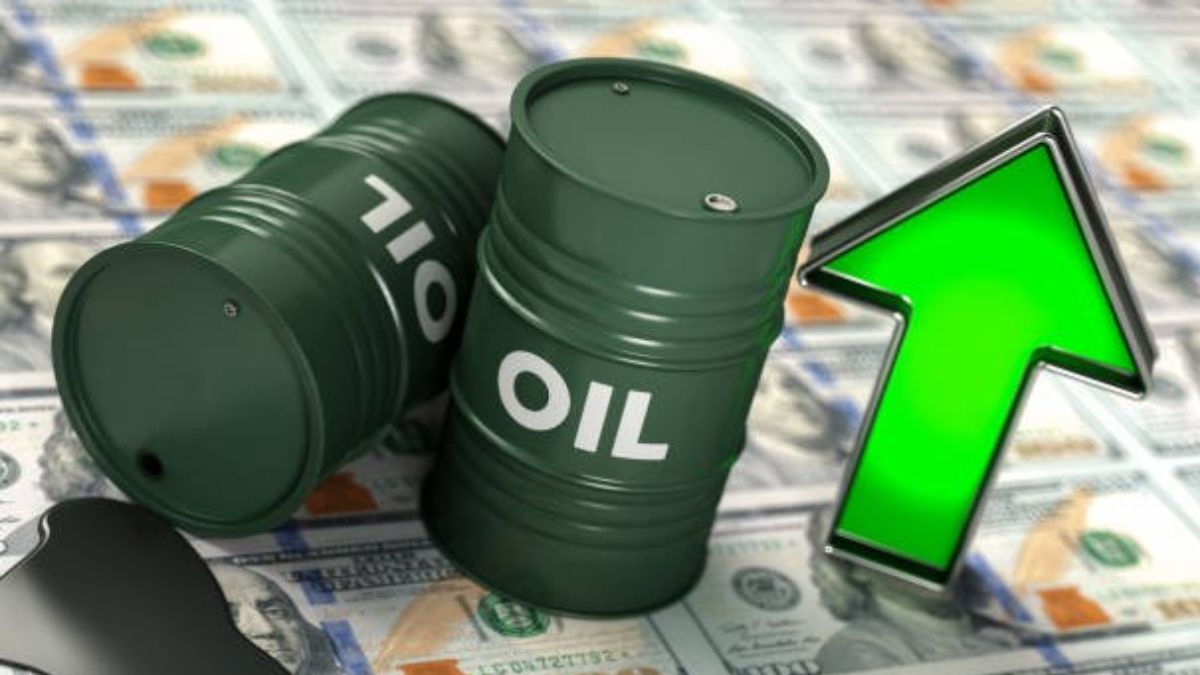
Brent Crude is linked to global financial cycles because it reacts strongly to changes in economic growth, liquidity, interest rates, and investor behavior across the world economy. These cycles influence how much oil the world consumes and how financial markets price risk.
One key reason is its connection to economic growth cycles. When the global economy is expanding, industries produce more, transportation increases, and energy demand rises. This pushes Brent Crude prices higher. During economic slowdowns or recessions, demand falls, leading to lower oil prices. This makes Brent Crude a reflection of the global business cycle.
Another important factor is monetary policy cycles. When central banks keep interest rates low and liquidity is high, borrowing and investment increase. This supports economic activity and boosts oil demand. When interest rates rise and liquidity tightens, economic activity slows, which reduces oil consumption and puts pressure on Brent Crude prices.
Investor sentiment cycles also play a major role. In risk-on environments, investors are more willing to invest in commodities and growth-linked assets, which supports oil prices. In risk-off environments, such as during financial uncertainty, investors move toward safe assets, and oil prices often decline.
Brent Crude is also tied to inflation cycles. Oil is a major driver of inflation because it affects transport, production, and goods pricing. When inflation rises, central banks may tighten policy, which slows the economy and eventually reduces oil demand. This creates a feedback loop between inflation and oil prices.
Supply-side decisions from organizations like OPEC also interact with these cycles. Production cuts or increases can either amplify or soften the effects of global economic trends on oil prices.
Because Brent Crude is traded heavily in futures and derivatives markets, financial expectations about future cycles are priced in quickly. Traders adjust positions based on forecasts of growth, inflation, and monetary policy, making oil markets highly sensitive to macroeconomic shifts.
In simple terms, Brent Crude is linked to global financial cycles because it moves with changes in economic growth, interest rates, liquidity, and investor sentiment, making it both a reflection and an amplifier of global economic conditions.