

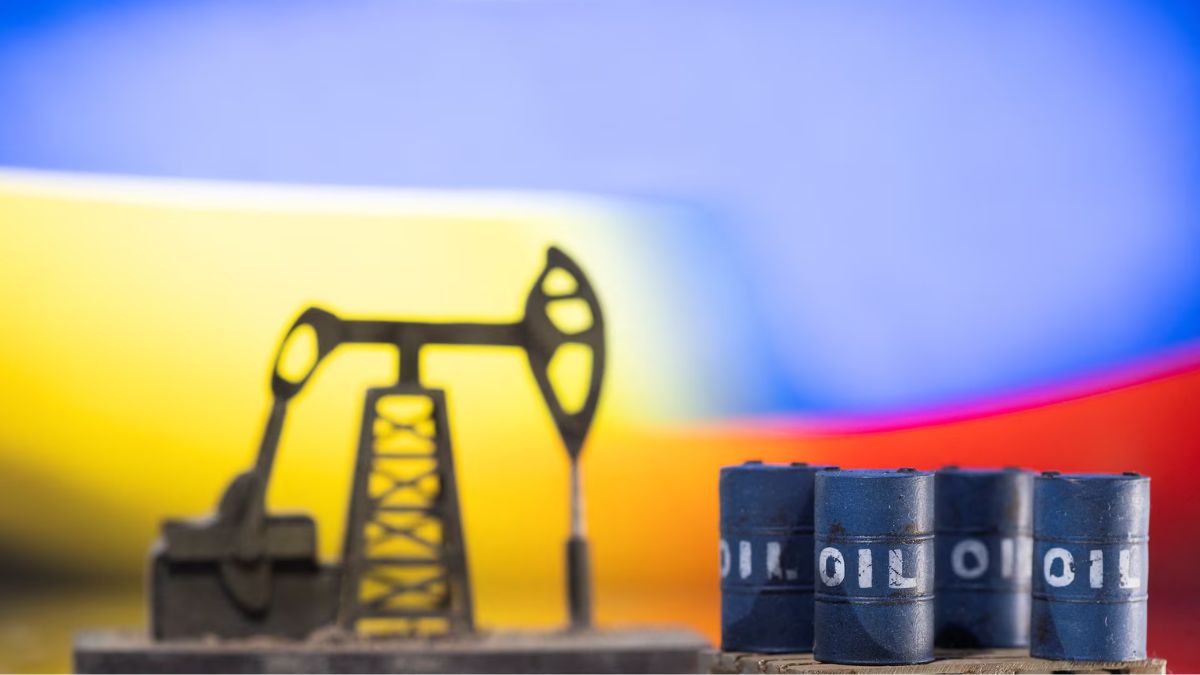
Brent Crude Oil is considered a global economic indicator because its price reflects the health of the world economy, especially in terms of energy demand, trade activity, and inflation pressures.
One of the main reasons is that oil is used in almost every part of the economy. It powers transportation, manufacturing, agriculture, and logistics. Since Brent is the main global pricing benchmark for oil, its price movements quickly reflect changes in global economic activity. When economies are growing, oil demand usually increases, and Brent prices tend to rise. When economies slow down, demand drops and prices often fall.
Brent is also closely linked to inflation. Energy costs influence the price of goods and services across the economy. When Brent prices rise, transportation and production become more expensive, which leads to higher consumer prices. This makes Brent a key signal for inflation trends worldwide.
Another reason is its sensitivity to geopolitical events. Conflicts, sanctions, and supply disruptions in oil-producing regions often cause sharp changes in Brent prices. These movements give early signals about global economic risk and market instability.
Brent also reflects international trade conditions. Since oil is one of the most traded commodities globally, its price is influenced by shipping activity, industrial production, and cross-border demand. A strong global trade environment usually supports higher Brent prices, while weak trade conditions often push prices down.
Financial markets also rely heavily on Brent. Investors, banks, and energy companies use Brent futures to assess risk and future expectations. Because so much capital is tied to it, Brent movements often influence other markets like currencies, stocks, and bonds.
Another important factor is its role in emerging economies. Many developing countries depend heavily on oil imports. Changes in Brent prices can affect their trade balances, currency stability, and economic growth, making it a key indicator for global financial health.