
Since its inception over six decades ago, Family Dollar has been a stalwart provider of affordable goods to low-income families. However, recent times have seen the discount chain facing significant challenges, putting its future in jeopardy.
One of the primary issues plaguing Family Dollar is the prevailing cost of living crisis, exacerbated by factors such as soaring inflation and the enduring effects of the COVID-19 pandemic. These challenges have led to a decline in consumer spending, particularly among low-income families, impacting sales across the retail sector, including Family Dollar.
Moreover, intense competition from rivals like Dollar General has further squeezed Family Dollar’s market share. Dollar General’s aggressive expansion and ability to offer even lower prices have posed a formidable threat to Family Dollar’s customer base. Additionally, retail giants like Walmart and Target also provide compelling budget-friendly alternatives, intensifying the competitive landscape.
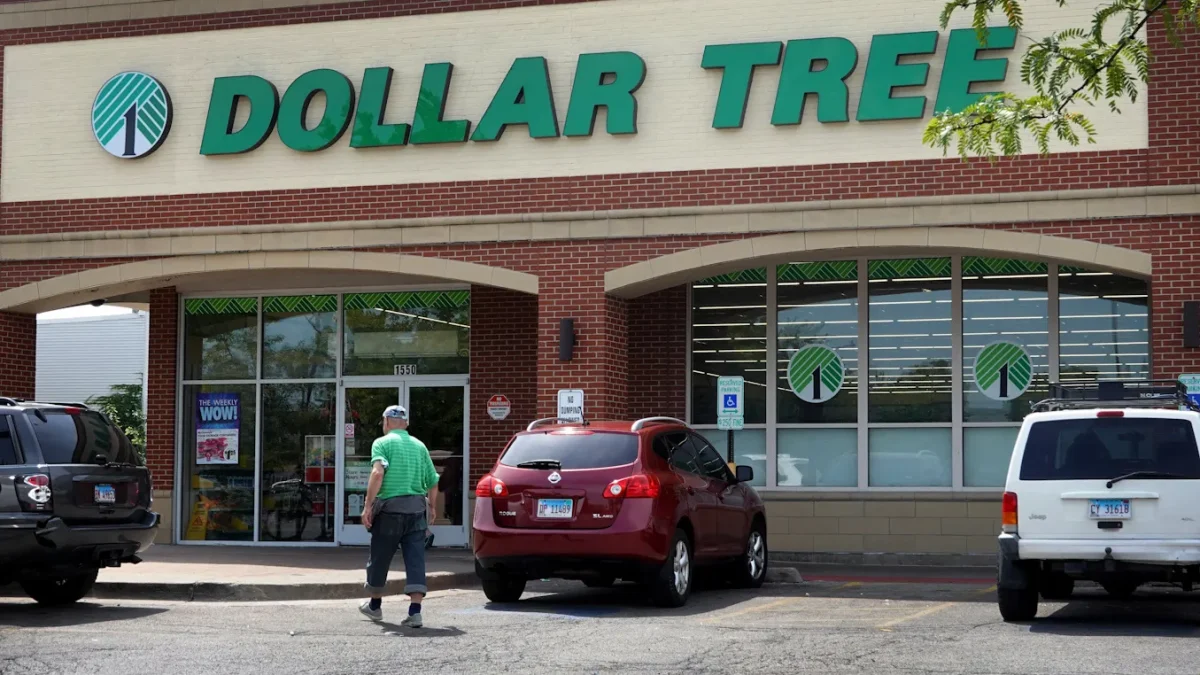
Compounding these challenges are recent controversies, such as the hefty $42 million fine levied against Dollar Tree, Family Dollar’s parent company, due to a widespread rat infestation issue. This incident not only tarnished the company’s reputation but also highlighted broader issues of poor staffing and training, leading to hazardous conditions and operational malpractice across Family Dollar stores.
In light of these multifaceted challenges, Family Dollar has been forced to shutter over 1000 stores nationwide. To survive in this tumultuous environment, the company’s leadership must undertake significant operational reforms and strategic changes to adapt to evolving market conditions and restore consumer trust. Failure to do so could spell further trouble for the iconic discount chain’s future viability.
