
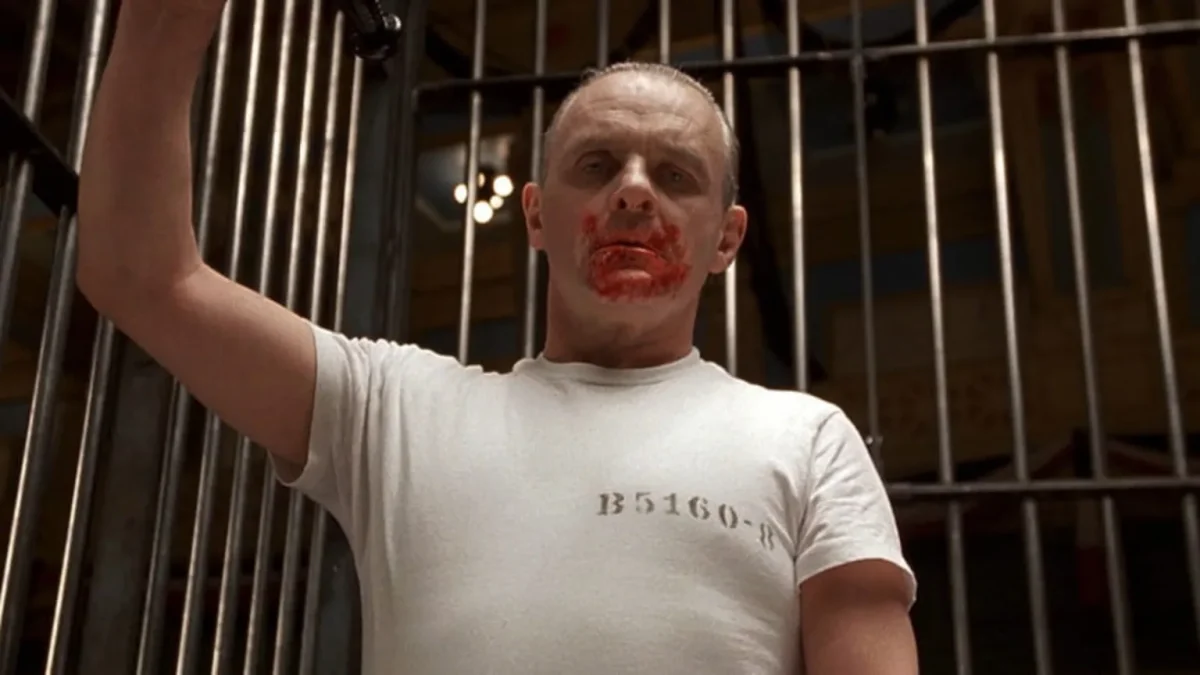
Hannibal Lecter, made famous by Anthony Hopkins and Mads Mikkelsen in film and television, was created by author Thomas Harris in the 1981 novel “Red Dragon,” part of a series that includes “The Silence of the Lambs,” “Hannibal,” and “Hannibal Rising,” all adapted into movies. Hopkins first embodied Lecter in “The Silence of the Lambs” (1991), though the literary introduction was in “Red Dragon.” While the TV series “Hannibal” delves deeper into Lecter’s past, his biography is rooted in Harris’ novels. However, Lecter is purely fictional, not based on a real person, despite resemblances to historical figures.
Born in Lithuania in 1933, Lecter came from a wealthy aristocratic family. His life took a dark turn during World War II when Nazis bombed his family’s castle, leaving him and his sister Mischa orphaned. Their plight worsened when they fell into the hands of a ruthless group led by Vladis Grutas, leading to Mischa’s tragic death and trauma that triggered Lecter’s later killings.
Adopted by his uncle, Lecter’s vengeful nature emerged when he murdered his aunt’s offender. He embarked on a quest to avenge Mischa’s death, committing several murders and evading capture. Dubbed “Hannibal the Cannibal,” he became infamous for his heinous crimes and was eventually captured by FBI agent Will Graham, tried, and incarcerated. Lecter’s manipulative intelligence, violent tendencies, and escape from custody continued to haunt the FBI, especially agent Clarice Starling.
During Lecter’s escape, his interactions with Starling evolved into a complex relationship. He manipulated her memories, leading her to identify with his tragic past. Ultimately, Lecter’s attempt to dominate Starling backfired as she retained her identity and willpower, even seducing Lecter to a degree. This relationship marked a twisted connection between the two, blurring the lines of victim and captor.
In essence, Hannibal Lecter, despite being a fictional character, remains an enigmatic figure, captivating audiences with his intelligence, ruthlessness, and complex psyche.
