
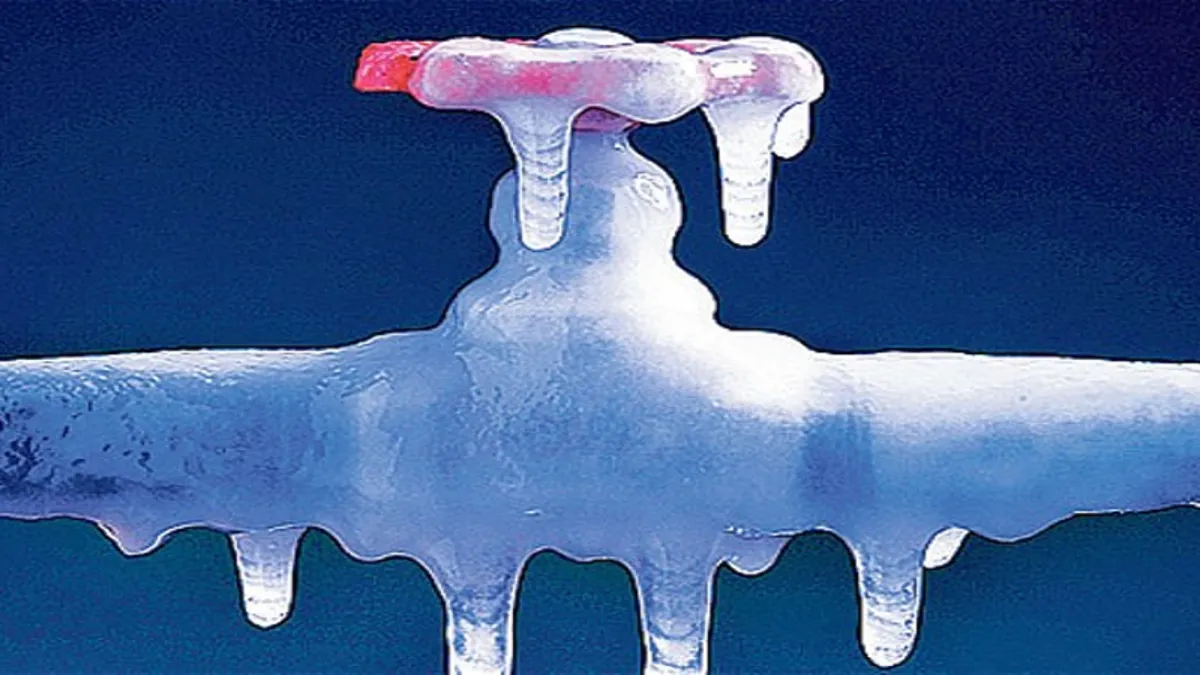
As winter’s icy grip tightens, the risk of frozen pipes becomes a concern for homeowners. When water within pipes freezes, it expands, creating pressure that can lead to cracks or even burst pipes. Dealing with frozen pipes promptly is crucial to prevent potential water damage to your property. In this article, we’ll discuss effective strategies for thawing frozen pipes and offer tips on preventing this common winter woe.
Thawing Frozen Pipes:
- Identify the Frozen Section: Before attempting to thaw pipes, identify the affected area. Turn on faucets throughout your home, and if only one or a few produce a slow or no flow, those are likely the frozen pipes.
- Open Faucets: Open both the hot and cold water faucets connected to the frozen pipe. This helps relieve pressure as the ice begins to melt.
- Apply Heat: Several methods can be used to safely thaw frozen pipes:
- Hairdryer or Heat Gun: Direct warm air at the frozen section, moving the heat source along the pipe.
- Heating Pad or Towels Soaked in Hot Water: Wrap the affected pipe with a heating pad or towels soaked in hot water.
- Space Heater: Position a space heater in the affected area, ensuring it is safe and not placed directly against the pipe.
- Never Use Open Flames: Avoid using open flames such as propane torches or kerosene heaters to thaw pipes, as they pose a fire hazard and may damage the pipes.
- Apply Warm Towels: Drape warm towels around the frozen pipe. Replace them as they cool to continue applying heat.
- Turn Up the Heat: Increase the temperature in your home to help speed up the thawing process.
Preventing Frozen Pipes:
- Insulate Pipes: Prevent freezing by insulating exposed pipes, especially those in unheated areas like basements, attics, or crawl spaces. Pipe insulation can be found at hardware stores and is an effective preventative measure.
- Seal Gaps and Cracks: Seal any gaps or cracks in walls and floors near pipes. This helps prevent cold drafts from reaching exposed plumbing.
- Let Faucets Drip: On particularly cold nights, allow faucets connected to exposed pipes to drip slowly. This constant movement can help prevent freezing.
- Maintain a Consistent Temperature: Keep your home at a consistent temperature, especially during extremely cold weather. This is vital for preventing pipes in unheated areas from freezing.
- Disconnect Hoses: Disconnect and drain outdoor hoses before winter sets in. Shut off the water supply to outdoor faucets and consider using insulated faucet covers.
- Open Cabinet Doors: For pipes located under sinks, open cabinet doors to allow warm air to circulate, reducing the risk of freezing.
Dealing with frozen pipes requires a combination of prompt action and preventative measures. By identifying frozen sections, applying safe and effective thawing methods, and implementing preventative strategies, homeowners can protect their plumbing from the potentially damaging effects of winter’s chill. Remember, if you’re unsure about dealing with frozen pipes, or if the situation is more complex, it’s always advisable to seek professional assistance to ensure the safety of your home and plumbing system.
