
The world of documentary filmmaking was rocked by the sudden and unexpected passing of Oscar-nominated filmmaker Morgan Spurlock. Spurlock, aged 53, succumbed to cancer after a valiant battle against the disease.
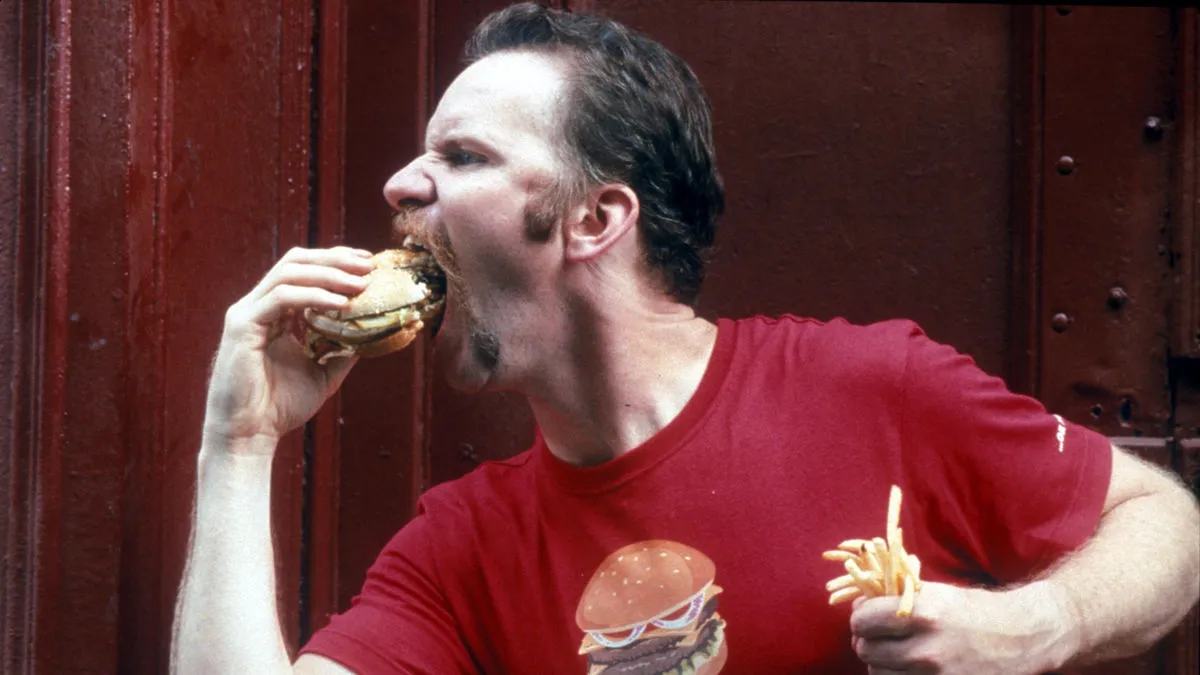
Spurlock’s career was defined by his daring and often provocative approach to documentary filmmaking. His breakthrough film, the 2004 documentary *Super Size Me*, thrust him into the spotlight as he embarked on a 30-day experiment consuming only McDonald’s food. The film shed light on the detrimental health effects of a fast-food diet, showcasing Spurlock’s significant weight gain, elevated cholesterol levels, and liver damage. However, Spurlock’s cinematic explorations extended far beyond fast food, delving into a myriad of social issues such as consumerism, elder care, and the poultry industry.
Despite his professional triumphs, Spurlock’s personal life was marred by controversy. In 2017, he publicly admitted to past instances of sexual misconduct, prompting the cancellation of several projects and a temporary withdrawal from the public eye. Nonetheless, Spurlock’s impact on the documentary landscape remained indelible, with his films provoking meaningful dialogues on matters of health, consumer culture, and ethical considerations.
Spurlock’s battle with cancer was confirmed by his family in a public statement following his passing. While the exact nature of his illness remains undisclosed, his health struggles, including documented issues during the filming of *Super Size Me*, have sparked speculation about potential connections to his eventual cancer diagnosis. However, attributing his cancer solely to his McDonald’s experiment or other factors would be premature and speculative without concrete evidence.
Despite uncertainties surrounding the specifics of his illness, Spurlock’s legacy as a trailblazing filmmaker endures. While scientists have been unable to replicate the exact outcomes of his *Super Size Me* experiment, subsequent studies have underscored the detrimental effects of processed foods on human health, including an increased risk of various cancers. Thus, Spurlock’s work continues to inspire future generations of filmmakers and activists, underscoring the transformative power of storytelling in catalyzing social change.
