

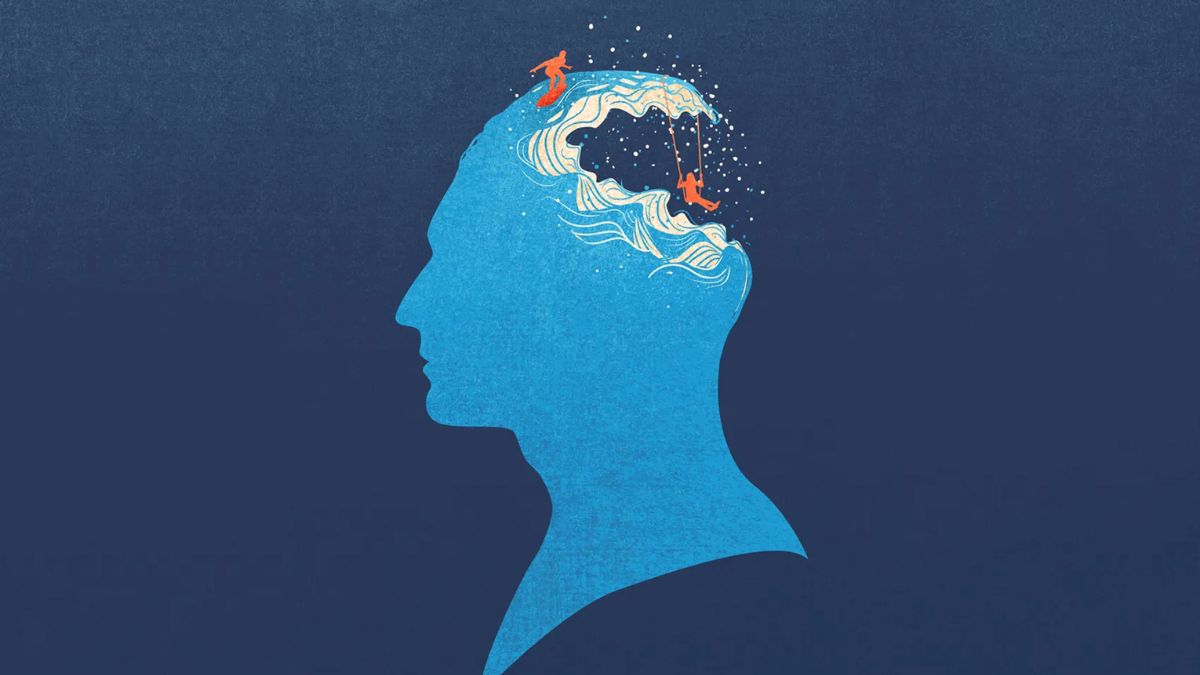
Social media influence on identity happens when a person’s sense of self starts getting shaped, even subtly, by what they see, consume, and receive online. Over time, repeated exposure to certain lifestyles, opinions, and standards can affect how someone thinks about who they are, how they should behave, and what their life should look like.
One of the main ways this influence works is through comparison. Social media constantly shows curated versions of people’s lives. These moments are usually highlights, not full realities. When someone repeatedly compares their everyday life to these curated versions, it can create a distorted sense of where they stand, leading them to question their own identity or progress.
Another factor is validation. Likes, comments, shares, and views can start to feel like indicators of worth or acceptance. When identity begins to connect with these responses, people may start adjusting their behavior, interests, or personality to receive more engagement. Over time, this can blur the line between authentic self-expression and performance for approval.
Social media also introduces exposure to many identities at once. People are constantly seeing different lifestyles, beliefs, aesthetics, and success paths. While this can be inspiring, it can also create confusion. With so many options visible, it becomes harder to understand what feels genuinely aligned versus what is being absorbed from outside influence.
Another strong effect is identity shaping through trends. Platforms often promote what is currently popular or socially rewarded. As a result, people may unconsciously adopt behaviors, language, fashion, or opinions that match these trends. This can slowly influence how they present themselves, sometimes without intentional choice.
There is also the role of idealized identity. Social media often encourages people to show their “best version,” which can create pressure to also maintain an ideal image of oneself. This can lead to identity becoming more about appearance and perception rather than internal understanding and consistency.
Over time, this constant exposure can create subtle disconnection from self-awareness. Instead of asking “what do I actually think or feel,” people may start asking “what is popular,” “what is accepted,” or “how will this be seen.” This shift can gradually move identity outward, relying more on external feedback than internal clarity.
Another effect is fragmentation of identity. Because people interact with different audiences online, they may begin to present slightly different versions of themselves in different spaces. Over time, this can make identity feel less stable or consistent, especially if there is a strong gap between online behavior and offline self.
However, social media influence is not entirely negative. It can also provide exposure, inspiration, connection, and opportunities for self-expression. It can help people discover interests, communities, and ideas they may not have encountered otherwise. The impact depends on awareness and how consciously it is used.
The challenge arises when influence becomes unconscious. When identity is shaped more by what is consumed than by what is internally understood, it becomes easy to drift away from personal authenticity. This is often gradual, not sudden, which is why it can go unnoticed.
As awareness increases, people start recognizing when their preferences are genuinely theirs or when they are influenced by external content. This creates space to consciously choose what to engage with and what to step away from, rather than absorbing everything automatically.