
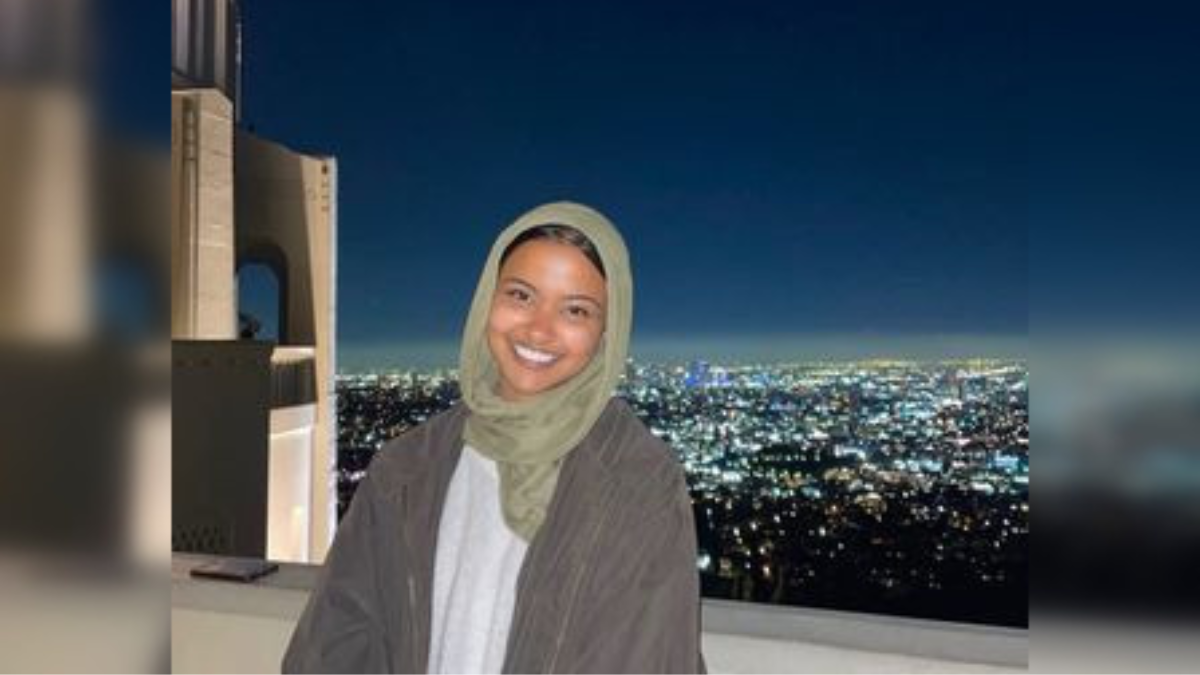
The decision by the University of Southern California (USC) to revoke Asna Tabassum’s speaking opportunity at the 2024 graduation ceremony has sparked significant controversy and debate. Tabassum, a first-generation Asian-American Muslim and the designated valedictorian, found herself at the center of a firestorm when her past social media posts expressing support for Palestine came to light. These posts were deemed controversial in the context of the ongoing conflict between Israel and Hamas in Gaza.
In response to mounting pressure from both the university community and social media, USC released a statement citing safety concerns as the primary reason for rescinding Tabassum’s speaking role. USC’s Provost and Senior Vice President for Academic Affairs, Andrew T. Guzman, emphasized the need to prioritize the safety of the university community, especially during times of heightened tensions globally. Despite the disappointment of breaking from long-standing tradition, USC deemed it necessary to prioritize safety over tradition.
Tabassum, whose Instagram account is now private, explained that her intention in sharing information about Palestine was to foster informed discourse and raise awareness about human rights issues. She expressed disappointment over the decision to cancel her speech but maintained her commitment to advocating for human rights, a value instilled in her by her academic pursuits at USC.
The decision by USC has elicited varied responses from different groups. Organizations like Trojans for Israel called for Tabassum’s speech to be canceled, citing concerns about creating an unwelcoming environment for Jewish graduates and their families. Conversely, the Greater Los Angeles Area office of the Council on American-Islamic Relations (CAIR-LA) condemned the decision, alleging Islamophobia and anti-Palestinian racism as motivating factors behind the cancellation.
The ongoing conflict between Israel and Hamas, which escalated with Hamas’s invasion of Israel and subsequent Israeli retaliation, has fueled tensions worldwide. Against this backdrop, USC’s decision to revoke Tabassum’s speaking opportunity reflects the complexities and sensitivities surrounding issues of political discourse and academic freedom on college campuses.
As the controversy continues to unfold, it underscores the importance of open dialogue and respectful engagement in addressing contentious issues, particularly within academic institutions where diverse perspectives should be valued and respected. The 2024 USC graduation ceremony, scheduled for May 10, 2024, serves as a focal point for these debates, highlighting the intersection of academic achievement, social responsibility, and freedom of expression.
