
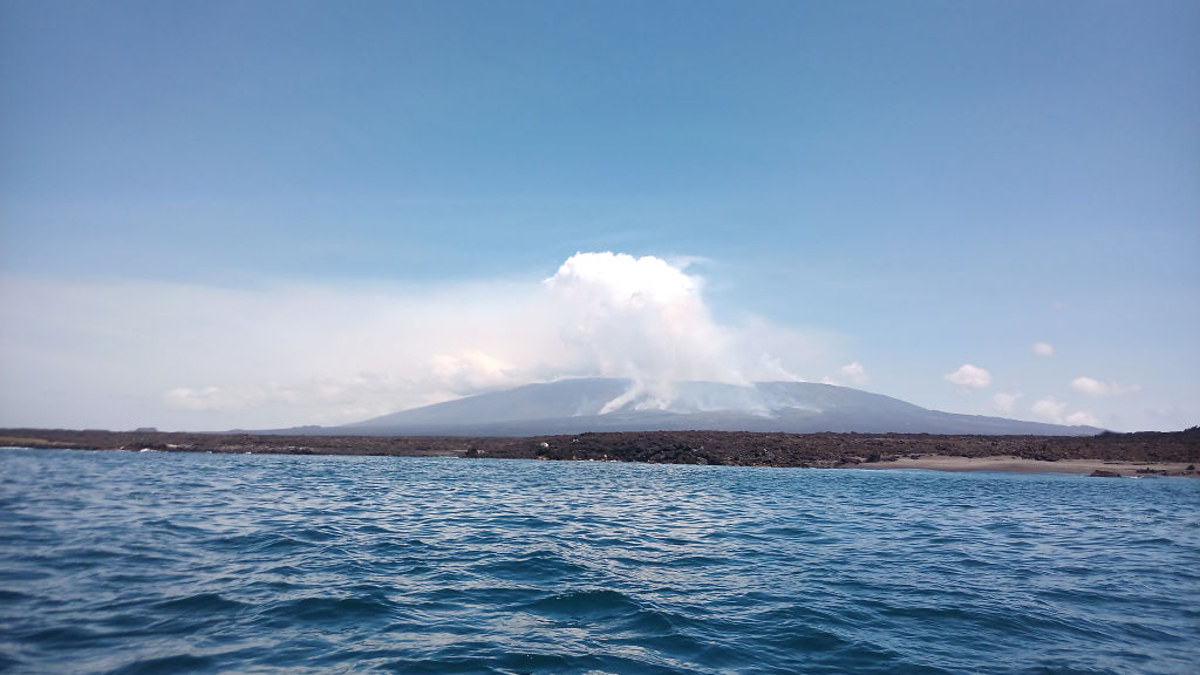
The Galapagos Islands, nestled in the Pacific Ocean about 1,000 kilometers off the coast of Ecuador, are renowned for their unique biodiversity and their pivotal role in shaping scientific thought, particularly in the realm of evolutionary biology. These volcanic islands, despite their relatively barren appearance, harbor a rich tapestry of life, thanks to their isolation, harsh conditions, and historical lack of human interference.
Discovered by European sailors in the 16th century, the Galapagos Islands served primarily as a base for whalers and pirates until the 19th century. Colonization efforts were minimal, with small communities comprising sailors and Ecuadorian convicts settling on the islands. This limited human presence allowed for the preservation of the islands’ natural ecosystems, albeit with notable declines in certain species due to exploitation.
The islands gained scientific prominence in 1835 when Charles Darwin visited aboard the HMS Beagle. Darwin’s observations of the islands’ unique flora and fauna, including variations in species among different islands, played a pivotal role in shaping his theory of evolution by natural selection. His insights into adaptive radiation, speciation, and ecological diversity, gleaned from the Galapagos, provided compelling evidence for the transformative power of natural selection in shaping life on Earth.
The Galapagos Islands owe their remarkable biodiversity to a combination of factors, including their geological isolation, harsh environmental conditions, and limited human impact. These factors have allowed for the development of specialized adaptations among endemic species, enabling them to thrive in their respective niches. The islands’ isolation has also shielded them from many invasive species, preserving their unique ecosystems and providing researchers with valuable insights into evolutionary processes.
Despite their relatively small size and remote location, the Galapagos Islands continue to captivate scientists and nature enthusiasts alike. Their pristine habitats, teeming with endemic species found nowhere else on Earth, serve as a living laboratory for the study of evolution, ecology, and conservation. As Darwin himself aptly noted, the Galapagos Islands represent a testament to the “mystery of mysteries” – the ongoing process of life’s evolution and adaptation in a dynamic and ever-changing world.
