
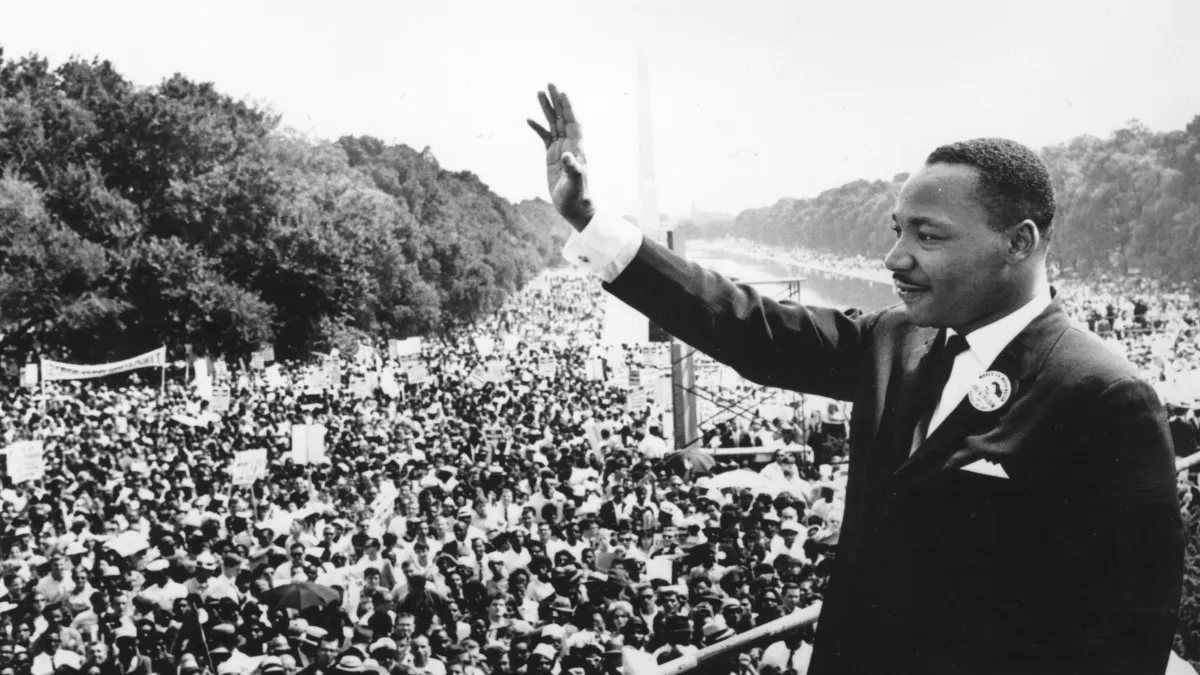
Martin Luther King Jr.’s “I Have a Dream” speech, delivered on August 28, 1963, during the March on Washington for Jobs and Freedom, is a seminal moment in the history of the American Civil Rights Movement. Recognized as one of the most powerful and impactful orations of the 20th century, King’s speech remains a timeless expression of hope, equality, and the pursuit of justice. In this article, we delve into the profound elements of King’s “I Have a Dream” speech, exploring its historical context, rhetorical devices, and enduring relevance.
Historical Context:
The year 1963 was a pivotal period in the fight against racial segregation and discrimination in the United States. The civil rights movement was gaining momentum, fueled by activism, protests, and the collective determination of African Americans and their allies. The March on Washington, where King delivered his iconic speech, aimed to advocate for civil and economic rights for African Americans and demanded an end to racial injustice.
The Dream:
The central theme of King’s speech revolves around the vision of a future where individuals are judged by their character rather than the color of their skin. King articulates his dream of a nation where freedom and equality reign supreme, echoing the principles enshrined in the Declaration of Independence and the Constitution. His dream is a call to action, a plea for justice, and an unwavering belief in the transformative power of love over hatred.
Rhetorical Devices:
King’s masterful use of rhetorical devices contributes to the speech’s enduring impact. His repetition of the phrase “I have a dream” serves as a powerful refrain, emphasizing the aspirational nature of his vision and reinforcing the speech’s central theme. By referencing historical documents and biblical verses, King establishes a sense of continuity, positioning the civil rights struggle as a righteous and inevitable cause.
The speech also employs powerful metaphors, such as the “promissory note” and the “fierce urgency of now,” to convey a sense of moral obligation and the need for immediate action. King’s vivid imagery paints a compelling picture of a future where unity and brotherhood prevail over racial strife and inequality.
Enduring Relevance:
More than five decades after King’s “I Have a Dream” speech, its relevance persists. The principles articulated by King continue to resonate in the ongoing struggles for justice and equality. The speech has become a symbol of hope, inspiring movements around the world that seek to address systemic injustice and promote inclusivity.
The call for racial harmony and the rejection of discrimination are universal themes that transcend time and place. King’s dream serves as a guiding light for those who strive to build a society where individuals of all races and backgrounds coexist harmoniously.
Martin Luther King Jr.’s “I Have a Dream” speech remains a beacon of hope, a testament to the power of words to inspire change and unite people in the pursuit of justice. As we reflect on the eloquence and passion of King’s oratory, we are reminded that the dream he shared on that historic day is not just a relic of the past but an enduring call to action for a more equitable and compassionate future.
