
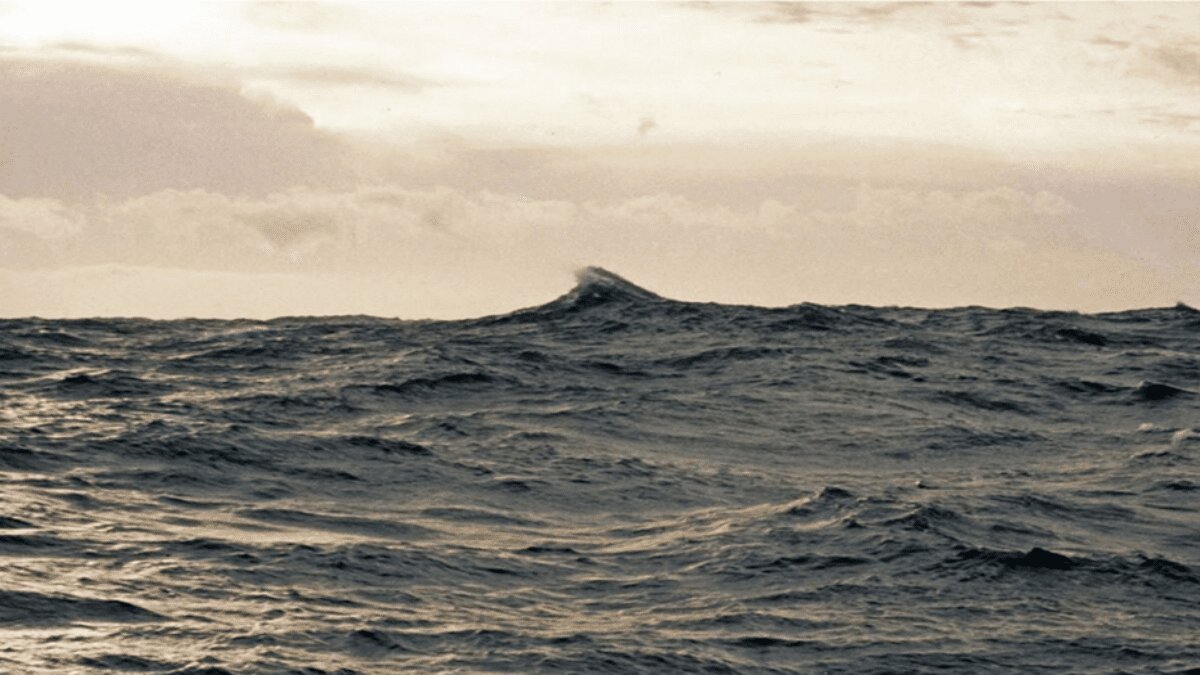
Rogue waves, often shrouded in mystery and surrounded by maritime lore, have captivated the imagination of sailors and scientists alike. These monstrous walls of water, rising seemingly out of nowhere, evoke a sense of awe and fear. In this article, we delve into the phenomenon of rogue waves, exploring their origins, characteristics, and the level of danger they pose to seafarers.
Rogue waves, also known as freak waves or monster waves, are large and unexpected ocean waves that deviate significantly from the prevailing sea state. These waves are characterized by their extreme height, often towering more than twice the height of surrounding waves. While rogue waves have been a part of maritime legends for centuries, the scientific understanding of these phenomena has evolved with advancements in oceanography.
The origins of rogue waves are complex and can be attributed to various factors. While they can occur in relatively calm seas, they are often associated with adverse weather conditions, where different wave systems converge. The interaction of multiple wave patterns can lead to constructive interference, creating a single, colossal wave.
Additionally, ocean currents, underwater topography, and the presence of strong winds contribute to the formation of rogue waves. Certain regions, such as the Agulhas Current off the coast of South Africa and the Gulf Stream in the North Atlantic, are known for their heightened likelihood of rogue wave occurrences.
Characteristics of Rogue Waves:
- Height Discrepancy: Rogue waves are characterized by their exceptional height, reaching up to 100 feet or more. The sudden and drastic increase in wave height sets them apart from the surrounding sea state.
- Steepness: Rogue waves often exhibit a steep and sharp profile, resembling a wall of water rather than the gradual slope typical of regular waves. This steepness contributes to their destructive force.
- Unpredictability: One of the defining features of rogue waves is their unpredictability. They can occur without warning, posing a significant challenge to sailors and maritime operations.
The danger posed by rogue waves to mariners is considerable. The sheer force and height of these waves can result in catastrophic damage to ships, including capsizing or structural failure. Due to their unpredictable nature, sailors may not have sufficient time to prepare or navigate away from the oncoming wave.
While modern ships are designed to withstand rough seas, rogue waves present a unique threat due to their exceptional size. The impact of a rogue wave can be exacerbated by its suddenness, catching vessels off guard and leading to severe consequences.
Advancements in satellite technology and ocean monitoring have allowed scientists to study rogue waves more comprehensively. The European Space Agency’s Sentinel-1 satellite, for example, has enabled the identification and tracking of rogue waves from space. These observations contribute to a better understanding of the conditions conducive to rogue wave formation.
Rogue waves remain a fascinating and formidable aspect of the ocean’s dynamics. While advancements in scientific research have shed light on their characteristics, the unpredictable nature of these waves continues to pose challenges for mariners. As our understanding of rogue waves deepens, the maritime industry strives to develop technologies and strategies to mitigate the risks associated with these awe-inspiring and potentially perilous phenomena.
