
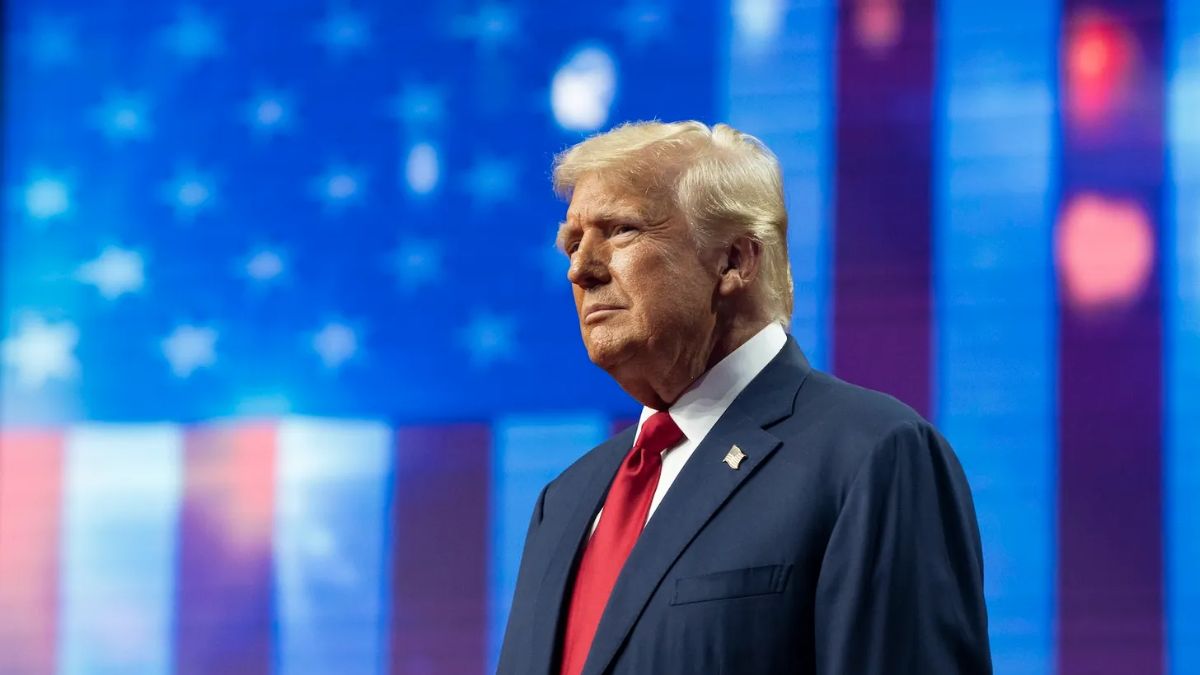
US President Donald Trump’s plan to allow Nvidia to export more powerful AI chips to China is sparking fresh controversy in Congress. Critics, including prominent members of his own party, argue the move could threaten national security. The debate is now moving from political criticism into potential legislation.
AI overwatch act seeks stronger Congressional oversight
Congress is advancing a proposal called the AI Overwatch Act to tighten control over AI chip exports. Introduced by Rep. Brian Mast, the bill would require both the House Foreign Affairs Committee and the Senate Banking Committee to approve advanced chip shipment licences within 30 days. Lawmakers could block licences through a joint resolution, giving Congress more direct power over decisions usually handled by the administration.
The act would also revoke existing licences for advanced AI chip transfers and impose a temporary ban until the administration provides a national security strategy for AI exports. Exemptions would apply to trusted US companies shipping chips abroad under strict security standards.
Security concerns over Nvidia H200 chips
The Trump administration plans to let Nvidia sell its H200 chips to China. These processors are far more powerful than those previously allowed for export. Critics argue this could boost China’s AI capabilities and support its military and security programs. Lawmakers warn that companies like Alibaba and Tencent could benefit from the chips for AI and military purposes.
Supporters of easing restrictions say keeping US-designed chips central to global AI infrastructure is crucial for American technological leadership. Nvidia CEO Jensen Huang and industry lobbyists have made similar arguments, highlighting the global AI race and the need to maintain US influence.
Bipartisan concerns and industry pushback
Lawmakers across parties have voiced concern over Trump’s export plan. Senate Intelligence Committee Vice Chairman Mark Warner criticized it as lacking a clear strategy against China. Senator Elizabeth Warren cited risks of military modernisation and AI surveillance if China gains access to advanced chips.
Meanwhile, some administration officials and tech investors argue the AI Overwatch Act could undermine the president’s authority and slow global AI innovation. This tension underscores a broader split in Washington between national security priorities and global AI competitiveness.
The debate highlights a critical issue: how the US balances safeguarding technology while maintaining its lead in AI on the world stage. The outcome could set major precedents for AI export policy in the coming years.
