

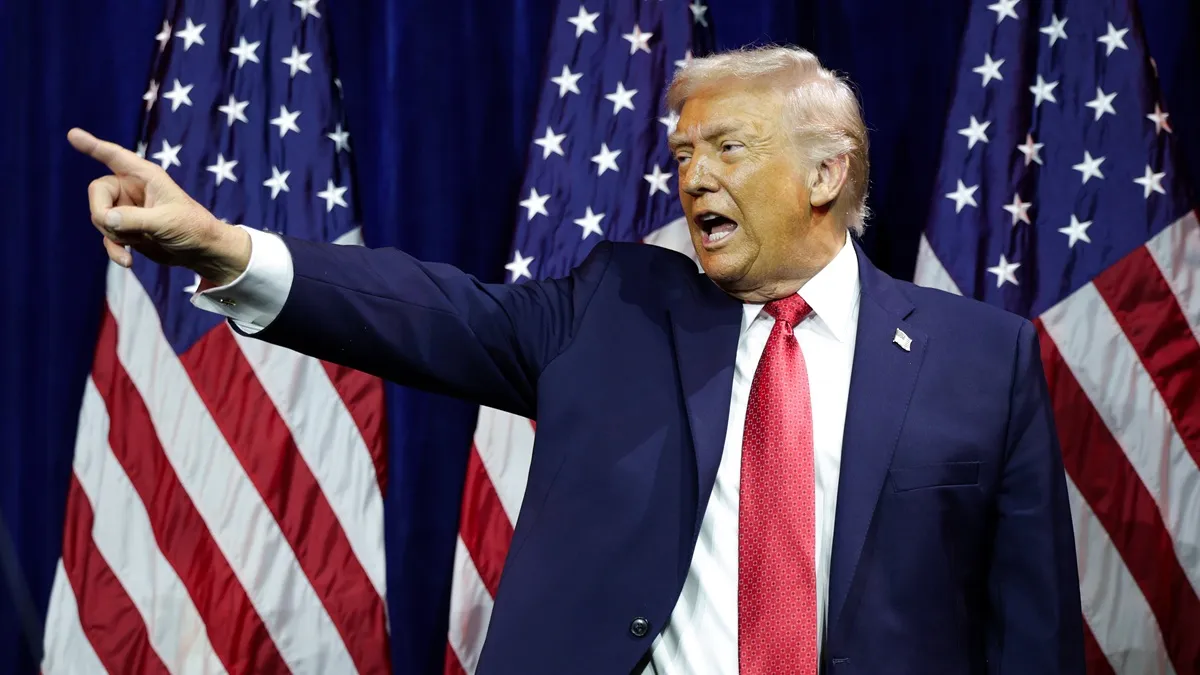
As protests spread across American cities after the killing of Renee Nicole Good, President Donald Trump has focused public attention abroad, issuing warnings to Iran over its response to unrest within the country. The contrast between domestic outrage and international rhetoric has intensified debate over federal enforcement, accountability, and the administration’s human rights messaging.
Renee Nicole Good ICE shooting protests
Renee Nicole Good, a 37-year-old American citizen and mother of three, was fatally shot by an ICE agent on January 7 during an enforcement encounter in Minneapolis. According to witnesses and video evidence released later, Good was attempting to leave the scene in her vehicle after dropping her child off at school.
The Department of Homeland Security initially described the incident as a vehicle-related threat to officers. Subsequent footage has raised questions about that account, prompting protests nationwide and calls for an independent investigation.
ICE’s use of force under the Trump administration
Good’s death has become a flashpoint amid broader concerns over federal enforcement tactics. Since the beginning of Trump’s second term, multiple ICE-related shootings have been reported across several states, drawing attention from civil rights groups and local officials.
Authorities have acknowledged an increase in high-risk enforcement encounters, while critics argue that escalation protocols lack sufficient oversight and transparency.
Trump Iran protest statement
While domestic demonstrations continued, President Trump issued a series of statements addressing protests in Iran that began in late December. The unrest reportedly emerged from economic pressures, currency devaluation, and public dissatisfaction with governance.
In a public post, Trump warned Iranian leaders against using lethal force on demonstrators, stating that the United States would respond if peaceful protesters were harmed.
U.S.-Iran foreign policy rhetoric
Trump’s comments signaled a more confrontational tone toward Iran, echoing language used during earlier foreign policy standoffs. The administration framed its position as support for democratic movements, emphasizing readiness to act if violence escalates.
Foreign policy analysts note that the rhetoric marks a sharper posture compared to recent months, raising questions about potential diplomatic or military implications.
Minneapolis Mayor Jacob Frey publicly challenged the federal account of the Good shooting after reviewing video evidence. He stated that the footage does not support claims that Good posed an immediate threat to officers.
Local officials have urged federal agencies to cooperate fully with investigations and release additional materials related to the encounter.
Public reaction to Trump’s Human Rights messaging
Public reaction has focused on the contrast between Trump’s condemnation of foreign crackdowns and the unresolved questions surrounding domestic enforcement actions. Advocacy groups argue that credibility on human rights issues depends on consistent standards at home and abroad.
Social media discussion and protest messaging have increasingly linked the Minneapolis shooting to broader debates about immigration enforcement, use of force, and federal accountability.
Investigations into Renee Nicole Good’s death remain ongoing, with federal authorities reviewing body camera footage and operational procedures. The case continues to influence political discourse as lawmakers face pressure to address enforcement practices.
As protests persist both domestically and internationally, the administration’s handling of these parallel crises is expected to remain under intense scrutiny in the months ahead.