
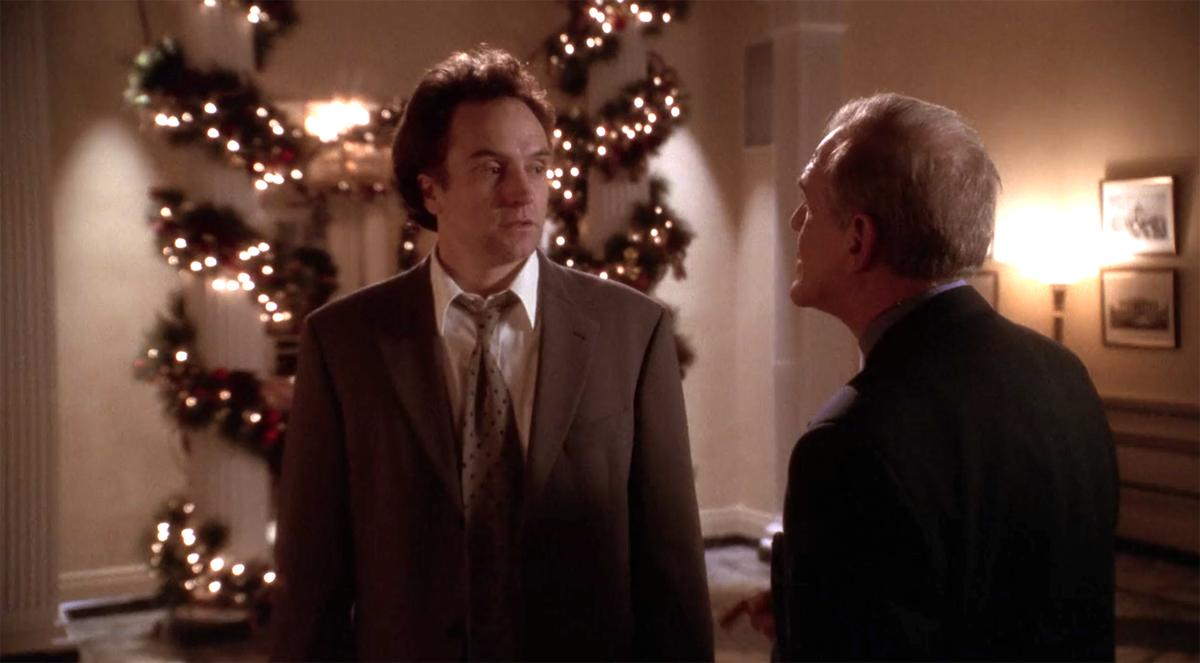
The West Wing’s episode “Noël” stands out as a poignant portrayal of post-traumatic stress disorder (PTSD) through the character of Josh Lyman, offering a powerful narrative that destigmatizes PTSD and acknowledges the complexity of emotions during the holiday season. Here’s a closer look at why this episode is so impactful:
Synopsis of “Noël”: The episode primarily focuses on Josh Lyman, the Deputy White House Chief of Staff, who survived a life-threatening incident targeting President Jed Bartlet’s staff. Josh meets with a psychotherapist, Stanley, after displaying uncharacteristic behavior and escalating outbursts. Reluctant at first, Josh gradually opens up and receives a PTSD diagnosis from Stanley, realizing how certain triggers, particularly Christmas music resembling emergency sirens, affect his behavior and mental state.
Accurate Portrayal of PTSD: The episode’s portrayal of PTSD is remarkably accurate. It demonstrates how PTSD affects individuals’ everyday lives, causing symptoms such as re-experiencing trauma, heightened anger, lack of focus, and triggers that evoke overwhelming reactions. Josh’s struggles with noises reminiscent of emergency sirens and his unawareness of his condition depict the complexity of PTSD triggers and symptoms.
Intimate and Emotional Exploration: “Noël” delves deeply into Josh’s psyche, showcasing his denial and misunderstanding of his condition. He initially rejects therapeutic support, feeling insulted by the suggestion that he needs help. However, the episode’s emotional apex occurs during a Christmas cello performance by Yo-Yo Ma, triggering a traumatic flashback for Josh. This sequence masterfully captures the overwhelming nature of PTSD, intertwining the present performance with Josh’s haunting memories and triggering sounds.
Realistic Depiction of Misremembering Trauma: The episode also accurately portrays how individuals with PTSD may unintentionally misremember events related to their trauma. Josh’s confusion regarding his hand injury, believing it resulted from broken drinkware rather than slamming his hand through a glass window, reflects the confusion and distortion that can accompany traumatic memories.
Acceptance and Hope: Through Leo McGarry’s empathetic support and the therapist’s guidance, the episode conveys a message of acceptance and hope. Leo’s understanding and willingness to help Josh navigate his trauma symbolize the true spirit of Christmas—extending grace and support to those in need. The therapist’s assurance that Josh can heal and eventually manage his triggers offers hope for his recovery.
Challenging the “Merry” Facade of December: The episode deftly challenges the idealized portrayal of December as a universally joyful time. While others enjoy the holiday festivities, Josh grapples with the darker side of December, highlighting the struggles many face during the holiday season.
A Nuanced Exploration of the Human Experience: Aaron Sorkin’s storytelling allows Josh, a character known for his quick wit, to experience vulnerability and the complexity of human emotions. The episode offers a nuanced exploration of pain, healing, and the acceptance of one’s vulnerabilities.
“The West Wing” episode “Noël” remains a remarkable achievement in television, delivering a sensitive and profound portrayal of PTSD while challenging the commercialized facade of the holiday season.
“The West Wing” is available for streaming on HBO Max in the United States.
