
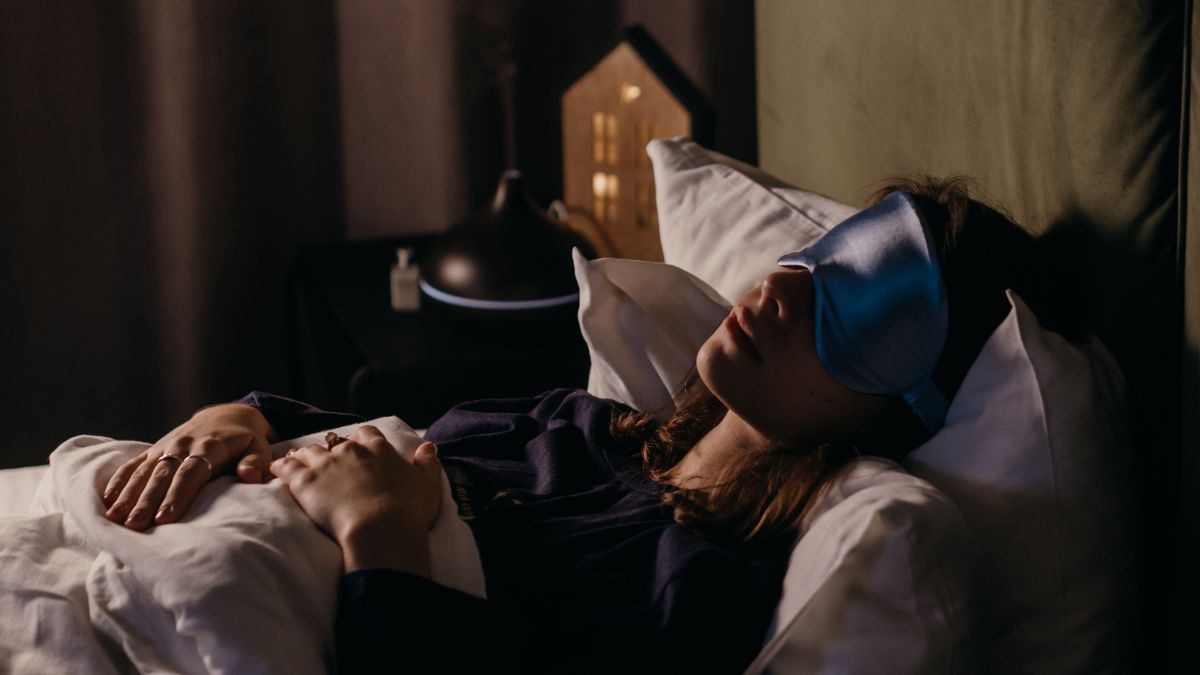
We often blame poor sleep on stress, caffeine, or an old mattress. But the most insidious sleep thief isn’t a large, obvious object; it’s the small, glowing, and ever-present electronic screen—or even the simple LED digital clock—sitting right beside your head. These devices disrupt your sleep not through noise or discomfort, but through light, specifically the blue light they emit. This seemingly harmless glow directly interferes with your brain’s natural ability to initiate the deepest, most restorative stages of your sleep cycle, leaving you constantly underslept and groggy.
The Melatonin Saboteur: How Blue Light Works
The human sleep-wake cycle, known as the Circadian Rhythm, is governed by a master hormone called Melatonin. Your brain’s pineal gland naturally begins producing Melatonin as ambient light decreases (dusk), signaling to your body that it’s time to wind down for the night. This process is highly sensitive to light.
The light emitted by screens (smartphones, tablets, laptops, e-readers, and even some digital alarm clocks) is rich in blue wavelengths. Your brain is wired to associate blue light with the sun and daytime. When your eyes are exposed to it in the hours leading up to bedtime, it sends a powerful, false signal to the brain: “It’s still day! Do not produce Melatonin.”
This hormonal suppression has two major consequences that actively steal your sleep:
- Increased Sleep Latency: It takes you significantly longer to fall asleep because your body hasn’t received the full chemical signal to power down.
- Disrupted Sleep Architecture: Even once you fall asleep, the blue light exposure has delayed and reduced the overall release of Melatonin, often resulting in less time spent in the crucial Slow-Wave Sleep (Deep Sleep) and REM Sleep stages, which are vital for physical restoration and memory consolidation.
Simple Fixes for a Screen-Free Sleep Sanctuary
To protect your Deep Sleep and maximize your nighttime recovery, you must establish a Tech Curfew and eliminate these unexpected light sources from your immediate sleeping environment.
1. Banish the Primary Culprits
- The Smartphone and Tablet: The single most impactful step is to keep these devices out of the bedroom entirely. Charge them in the kitchen or living room. The temptation to “just check one thing” is often the moment your Melatonin production is sabotaged.
- The Digital Clock: Replace your bright LED clock with an old-fashioned analog alarm clock or one that uses a dim, non-blue light (like red or amber). If you must use a digital clock, turn it around or cover the display with black tape so the light is not visible from your bed.
2. Implement a Technology Curfew
Set a hard rule to turn off all screens—including the TV and computer—at least 60 to 90 minutes before your scheduled bedtime. This allows your natural Melatonin production to ramp up undisturbed, preparing your brain for restful sleep.
3. Change Your Wind-Down Routine
Use the curfew time to engage in relaxing, non-stimulating activities that signal “rest” to your brain:
- Read a physical book (not an e-reader).
- Take a warm bath or shower.
- Listen to a podcast or calming music.
- Try a simple Meditation or Pranayama (breathing) exercise.
By creating a Screen-Free Zone and adhering to a digital curfew, you remove the biggest obstacle to a healthy Circadian Rhythm and ensure your body is finally able to access the truly restorative Deep Sleep it needs.
