
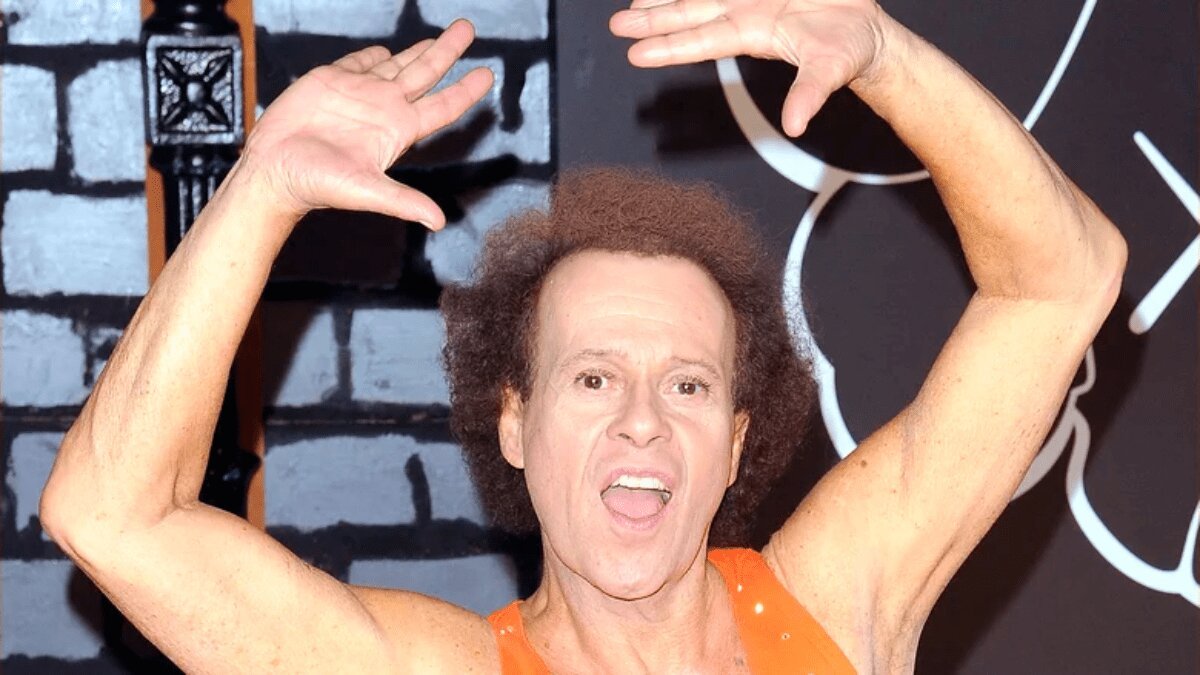
Richard Simmons’ journey from a vivacious fitness guru to a reclusive figure has been a subject of fascination and speculation. Born Milton Teagle Simmons in New Orleans, he battled obesity from a young age, finding solace in humor amidst struggles with weight-related bullying and eating disorders. His personal experiences fueled his mission to help others lose weight through exercise and sensible eating habits, promoting self-love and acceptance along the way.
Simmons established himself in Los Angeles with his gym, initially named Anatomy Asylum and later rebranded as Slimmons. His larger-than-life personality attracted a diverse clientele, including celebrities, and his fitness empire expanded, cementing his status as a media fixture.
National television exposure, including appearances on “General Hospital” and his own talk show, propelled Simmons to greater fame. Despite his comedic persona, his genuine empathy and dedication to helping people lose weight endeared him to many struggling with obesity.
However, Simmons’ sudden withdrawal from public life in 2014 sparked widespread speculation and concern. Rumors about his well-being, including claims of being held hostage by his housekeeper and undergoing a gender transition, circulated in the media. Simmons vehemently denied these allegations, even filing lawsuits against those spreading false information.
The mystery surrounding Simmons’ disappearance inspired the “Missing Richard Simmons” podcast, which delved into his enigmatic retreat from the spotlight. While some questioned the ethics of probing into his private life, others remained captivated by his story.
Simmons briefly resurfaced to address rumors and health concerns through social media posts, clarifying that he was not dying but had undergone treatment for skin cancer. Despite his efforts to set the record straight, speculation about his whereabouts and well-being persists, leaving fans and observers alike to ponder the fate of the once-ubiquitous fitness icon.
