
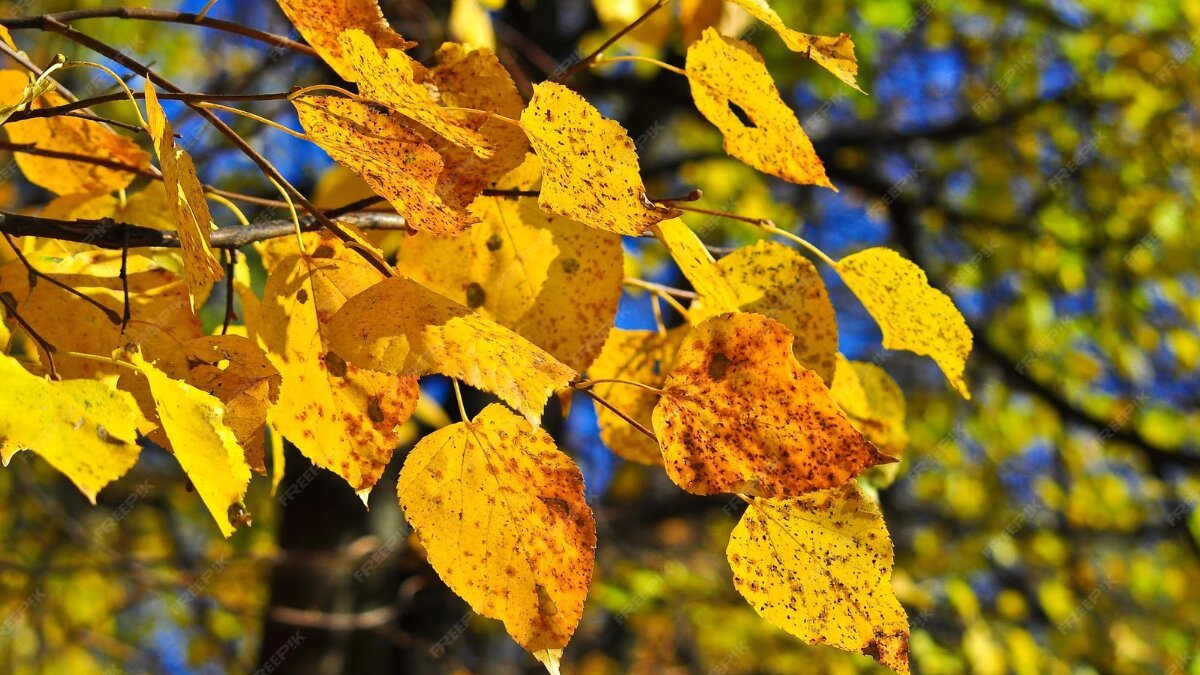
Every October, millions of people flock to parks, forests, and mountain roads to witness a natural masterpiece: the explosion of color in fall foliage. Trees that once stood in lush green suddenly shimmer with gold, blaze with fiery reds, and glow in rich purples, transforming entire landscapes into living art. This annual shift is not merely a cultural phenomenon celebrated in photography and tourism—it is also a fascinating scientific process.
Behind the beauty of autumn leaves lies a complex interaction of biology, chemistry, and climate. The brilliant hues we admire are not painted overnight but emerge from a combination of plant pigments, sunlight, and seasonal changes in temperature. Scientists have long studied why October, in particular, creates such a spectacle, and their discoveries reveal how nature carefully orchestrates one of its most breathtaking shows.
This article explores the science of fall foliage: why leaves change colors, what makes October the peak month of brilliance, and how climate change may alter the future of this seasonal wonder.
The chemistry of colors: chlorophyll, carotenoids, and anthocyanins
To understand why October leaves glow so brightly, we must begin with the pigments that give them their color. During spring and summer, chlorophyll dominates the palette. This green pigment fuels photosynthesis, the process by which plants convert sunlight into energy. Chlorophyll is so abundant that it masks the other pigments lurking within the leaves.
As daylight shortens and temperatures cool in autumn, trees prepare for winter by slowing down their food production. Chlorophyll begins to break down, and the green fades away. This decline reveals the carotenoids, pigments that have always been present but hidden beneath the chlorophyll. Carotenoids produce the yellows and oranges seen in species like birches, poplars, and maples.
Then there are anthocyanins, pigments responsible for the vivid reds and purples that make October so spectacular. Unlike carotenoids, anthocyanins are not always present but are produced in response to specific environmental conditions. When cool nights coincide with sunny days, sugar gets trapped in the leaves, stimulating anthocyanin production. The result is a fiery burst of crimson, particularly in maples, dogwoods, and sumacs.
The brilliance of October’s foliage comes from this interplay. Early in the season, carotenoids create golden backdrops, while anthocyanins flare up as nights grow colder. Scientists at Harvard University have studied this process extensively, noting that the exact hues depend on the balance of pigments, temperature, and even soil acidity. Acidic soils, for example, enhance red tones, while alkaline soils can push pigments toward purple.
In this way, October is less a single brushstroke and more a symphony of biochemistry, with each pigment playing its part in nature’s grand finale. The result is not only a feast for the eyes but also a survival mechanism: by shutting down photosynthesis, trees conserve resources, while pigments like anthocyanins may protect leaves from sun damage during their final days of life.
Why October is the peak month for fall foliage brilliance
While leaves begin changing as early as September in northern regions, October consistently delivers the brightest and most widespread foliage displays. The reason lies in a combination of environmental cues: daylight, temperature, and precipitation.
Shortening daylight hours serve as the primary trigger. Trees sense the reduced sunlight and begin to prepare for dormancy by cutting off nutrients to their leaves. At the same time, October’s cooler nights accelerate chlorophyll breakdown, allowing hidden pigments to shine through. If the weather aligns perfectly—warm, sunny days followed by crisp, cool nights—the conditions are ideal for anthocyanin production, producing the deep reds that leaf-peepers travel thousands of miles to see.
Geography also plays a role. In the United States, October is peak season in iconic foliage regions like New England, the Appalachian Mountains, and the Smoky Mountains. Vermont, New Hampshire, and Maine, in particular, owe their international fame to their mix of sugar maples, oaks, and birches, which turn entire hillsides into glowing mosaics. Higher altitudes change earlier, but by October, the full range of colors reaches its prime across valleys and lowlands.
Tourism boards, park rangers, and scientists carefully track these changes each year, producing “fall foliage maps” that predict the best viewing windows. The U.S. Forest Service notes that October is often the most reliable month for peak viewing, as weather patterns stabilize and leaf pigments reach their most vibrant state.
But the magic is not confined to the United States. October foliage is celebrated globally: Kyoto’s maple gardens glow red in Japan, Ontario and Quebec boast sprawling Canadian forests, and even Europe’s Alps and Balkans offer dramatic autumn scenery. Still, October in North America has become synonymous with fall foliage tourism, drawing millions annually and generating billions in economic impact.
Thus, October is not just the peak scientifically—it has become the cultural centerpiece of fall foliage, a month when nature’s chemistry and human appreciation collide.
The impact of climate change on future October foliage
While October foliage dazzles us today, scientists warn that climate change may dramatically alter its brilliance in the future. Rising temperatures, shifting rainfall patterns, and extreme weather events threaten the delicate balance of conditions that create vibrant autumn colors.
One of the biggest concerns is that warmer falls delay the onset of leaf color. If October temperatures remain higher than usual, chlorophyll breaks down more slowly, postponing the reveal of carotenoids and muting the intensity of reds from anthocyanins. In recent years, leaf-peepers in New England have noticed that peak foliage arrives later and sometimes fades more quickly, compressing the window of vibrant color.
Drought conditions, increasingly common due to climate change, also impact leaf color. When trees experience water stress, they may shed leaves earlier than normal, bypassing the full transformation. The Smithsonian Institution has documented how certain species, like sugar maples, are particularly sensitive to moisture shortages, leading to duller displays.
On the other hand, some scientists argue that longer growing seasons might extend foliage in certain regions. The World Meteorological Organization notes that while climate change will disrupt traditional patterns, it may also create unexpected variations, with some areas experiencing prolonged color displays while others see significant declines.
Beyond the science, the cultural and economic impact is profound. Entire regions depend on October foliage tourism, from New England bed-and-breakfasts to mountain towns in the Appalachians. If climate change reduces the intensity or predictability of fall colors, these communities could suffer economically. Moreover, the loss of such a cherished seasonal ritual would mark a cultural shift, disconnecting future generations from one of nature’s most beloved traditions.
As researchers at Yale University emphasize, preserving fall foliage is not just about aesthetics—it is about biodiversity, environmental health, and cultural identity. Protecting forests, reducing emissions, and combating climate change are essential to ensuring that future Octobers continue to glow as brightly as the ones we cherish today.
Conclusion
October’s dazzling foliage is more than a seasonal backdrop—it is a living canvas painted by science. The interplay of chlorophyll breakdown, carotenoid brilliance, and anthocyanin fire creates a spectacle unlike any other, transforming ordinary forests into extraordinary wonders. While the chemistry explains the colors, it is the timing of October that makes them shine at their brightest, turning autumn into both a scientific marvel and a cultural celebration.
Yet the beauty of October leaves also serves as a reminder of nature’s fragility. Climate change threatens to disrupt the conditions that create this phenomenon, posing risks not only to ecosystems but also to the traditions, tourism, and cultural identity built around fall foliage.
For now, October continues to offer its glowing gift, reminding us of the harmony between science and beauty. Each leaf, each hue, is both an endpoint and a beginning—a story of nature’s cycles and a call to preserve them for generations to come.
