

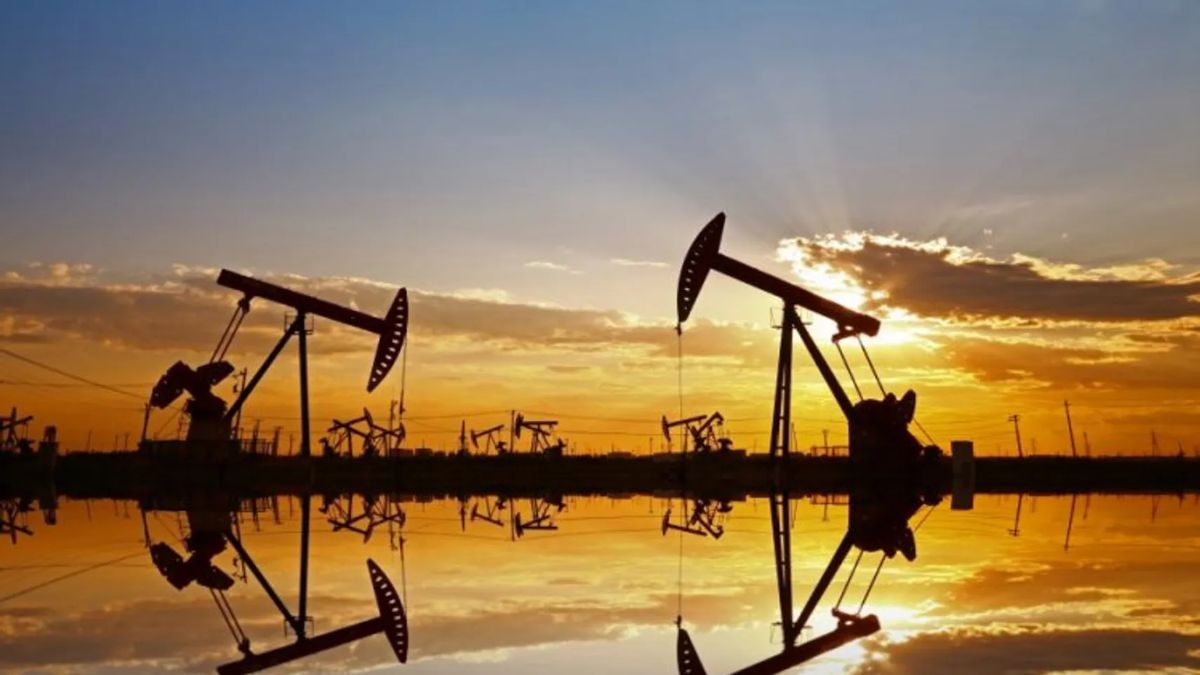
Brent crude plays an important role in international sanctions policies because oil is one of the most powerful economic tools in global politics. Since Brent crude is a global benchmark for oil pricing, it indirectly reflects how sanctions on oil-producing countries affect supply, demand, and prices worldwide.
When a country faces sanctions, especially on its oil exports, it usually becomes harder for it to sell oil in the international market. This reduces global supply. If supply drops while demand stays the same, Brent crude prices can rise. That price movement then signals the economic impact of the sanctions across the world, even for countries not directly involved.
Sanctions are often designed to limit a country’s ability to earn revenue from oil exports. Since oil is a major source of income for many nations, restricting access to global buyers can reduce their financial strength. Brent crude becomes a reference point for understanding how much pressure these restrictions are creating on global energy markets.
At the same time, importing countries and allies of sanctioned nations closely watch Brent crude prices because they can face indirect consequences. Higher prices can increase inflation, raise fuel costs, and slow down economic growth, even if they are not part of the sanctions themselves. This is why governments often adjust their policies, such as subsidies or strategic reserves, when oil markets react to geopolitical tensions.
Brent crude also helps markets measure the effectiveness and consequences of sanctions. If prices rise sharply after sanctions are introduced, it shows that global supply is being affected. If prices remain stable, it may suggest that other producers are compensating for the loss of supply.