
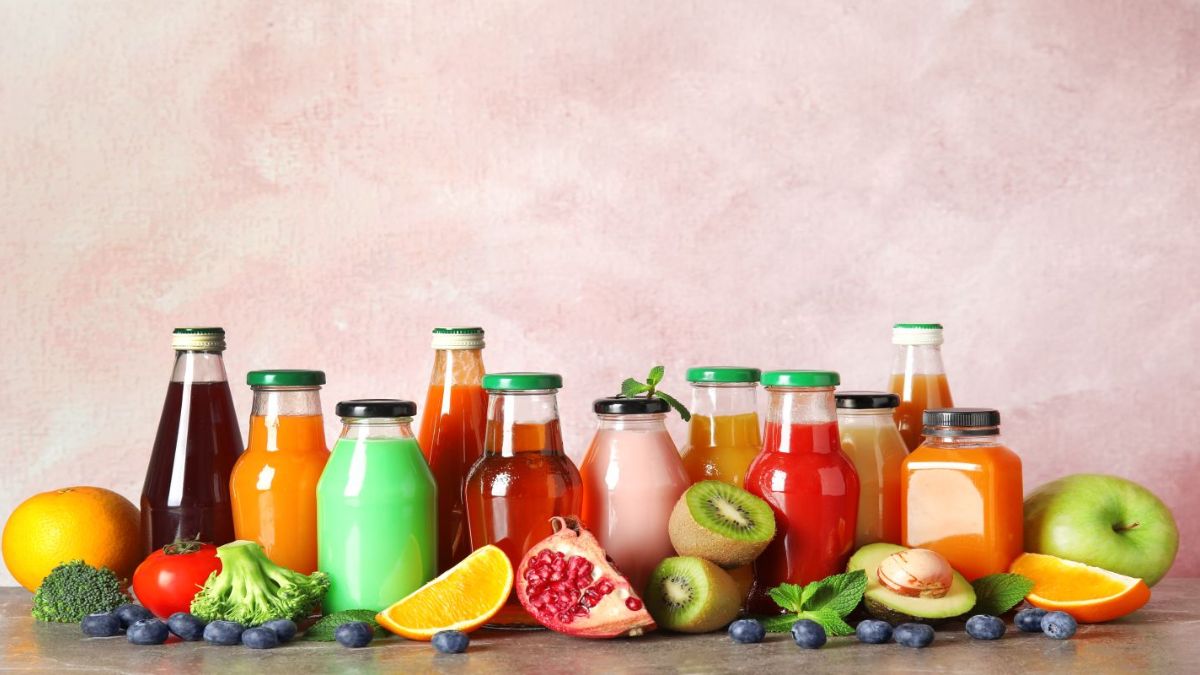
Modern bars are increasingly embracing non-alcoholic wellness drinks, reflecting a growing shift toward mindful drinking and holistic health. These beverages combine sophisticated flavors with functional benefits, appealing to patrons who want social experiences without compromising well-being. Ingredients like adaptogenic herbs, botanicals, fresh fruit juices, and sparkling teas are being crafted into cocktails that deliver calming, energizing, or immunity-boosting effects, offering a compelling alternative to traditional alcoholic drinks.
The rise of this trend is driven by changing lifestyles, where consumers prioritize mental clarity, physical health, and moderation while still enjoying the ritual and social aspects of bar culture. Non-alcoholic wellness drinks often include functional elements such as ginseng, turmeric, ashwagandha, or kombucha, providing hydration, antioxidants, and adaptogenic support. They also allow bartenders to experiment with creative flavor profiles, using spices, herbs, and infusions to produce complex, layered drinks that rival traditional cocktails in taste and presentation.
Social perception plays a key role as well. Choosing a non-alcoholic wellness drink signals intentionality, self-care, and awareness of health, while still allowing participation in nightlife or social gatherings. Many bars now offer extensive mocktail menus or signature wellness blends, making non-alcoholic options mainstream and desirable rather than niche.
Ultimately, the rise of non-alcoholic wellness drinks demonstrates how the hospitality industry is adapting to consumer demand for balance, functionality, and mindful indulgence. These beverages transform bars into spaces that support both social connection and personal well-being, proving that enjoyment doesn’t require alcohol and that functional, flavorful drinks can be a cornerstone of modern nightlife culture.
