
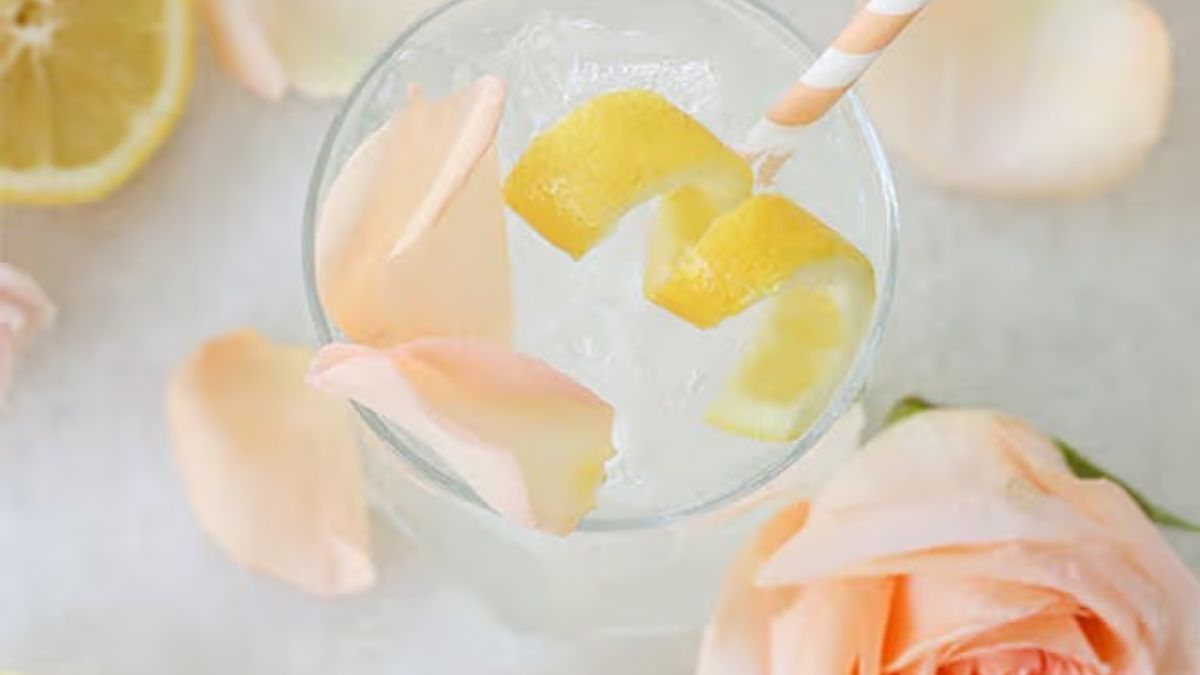
Floral cocktails have been steadily rising in popularity in luxury bars, transforming the way mixologists approach drink creation. These cocktails combine intricate flavors, aromatic notes, and striking presentation, appealing to patrons who seek both taste and aesthetic sophistication.
Luxury bars often use flowers like lavender, hibiscus, rose, chamomile, and elderflower to craft unique syrups, infusions, and garnishes. The floral elements not only enhance flavor but also create a multisensory experience, engaging sight, smell, and taste simultaneously. A single floating petal or carefully arranged sprig can turn a drink into a work of art, making it memorable and highly shareable.
The trend reflects a broader movement toward artisanal and natural ingredients. High-end bars are focusing on farm-to-glass concepts, sourcing edible flowers locally, and experimenting with seasonal blooms. This approach elevates cocktails beyond simple alcoholic beverages, emphasizing craftsmanship, freshness, and creativity.
Floral cocktails also allow bartenders to play with flavor complexity. For example, hibiscus adds tartness, lavender introduces subtle sweetness, and rose petals bring a gentle aroma. When paired with spirits like gin, vodka, tequila, or sparkling wine, these combinations create sophisticated drinks that appeal to patrons looking for innovative experiences.
Overall, the rise of floral cocktails in luxury bars highlights the growing demand for drinks that are visually stunning, aromatic, and thoughtfully crafted. They offer a sensory journey that blends flavor, beauty, and artistry, redefining what a cocktail can be in high-end hospitality settings.
