

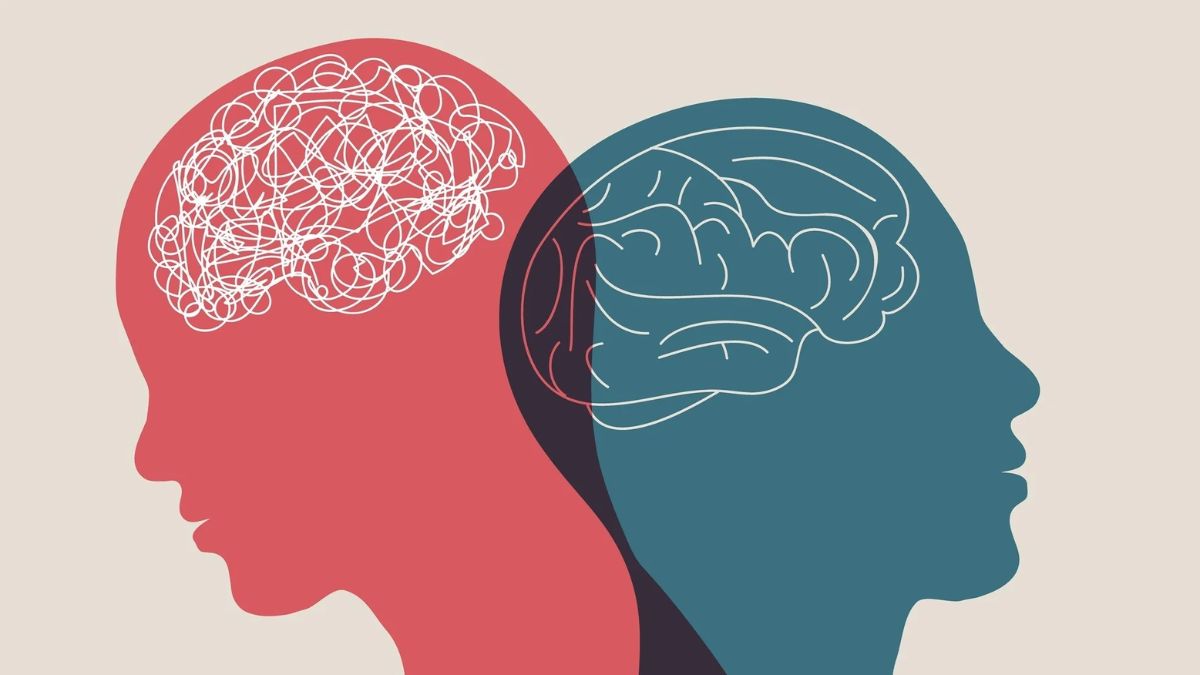
Self-awareness is often seen as something purely positive, like a clear upgrade in how you understand yourself. And it is powerful. But it also comes with a cost that people don’t talk about enough.
The first part of that cost is emotional weight. When you become self-aware, you start seeing your patterns, your habits, and your choices more clearly. Things you once ignored or justified become harder to overlook. You notice when you’re avoiding something, when you’re not being honest, or when something in your life isn’t aligned. That clarity is valuable, but it can also feel heavy because you can’t “unsee” it anymore.
There is also a loss of innocence. Before self-awareness, you could move through life more automatically. You didn’t question everything as deeply. There was a certain simplicity in not knowing. Once awareness increases, that simplicity disappears. You start analyzing your actions, your thoughts, and even your emotions more often, which can feel mentally exhausting.
Another cost is responsibility. When you are aware of what needs to change, it becomes harder to stay the same without feeling discomfort. You can no longer fully blame circumstances or other people, because you see your own role more clearly. That responsibility can feel like pressure, especially when change is not easy or immediate.
Self-awareness can also create distance. As you understand yourself better, your values and perspectives may shift. This can affect how you relate to others. Conversations may feel different, certain dynamics may no longer fit, and not everyone will understand your growth. This can lead to a sense of loneliness, even when you are surrounded by people.
There is also the challenge of overthinking. When you are highly aware, you tend to reflect more. While reflection is useful, too much of it can make simple decisions feel complicated. You might question your intentions, your reactions, or whether you’re doing the “right” thing. That constant inner dialogue can become tiring.
Another layer is discomfort with misalignment. Before, you might have been able to tolerate situations that didn’t fully suit you. With self-awareness, that tolerance decreases. You feel the mismatch more strongly when your life, actions, or environment don’t align with who you are. This makes it harder to stay in situations that aren’t right, but it also means you feel more discomfort until things change.
You may also experience impatience. Once you understand what you want or what needs to shift, it’s natural to want your life to reflect that immediately. But real change takes time. That gap between knowing and living can feel frustrating.