

Global demand shifts have a deep influence on geopolitics because they change which countries hold economic power, how alliances are formed, and how resources are controlled. When demand for key commodities like oil, gas, metals, or food changes, it directly affects the income and strategic importance of countries that produce them.
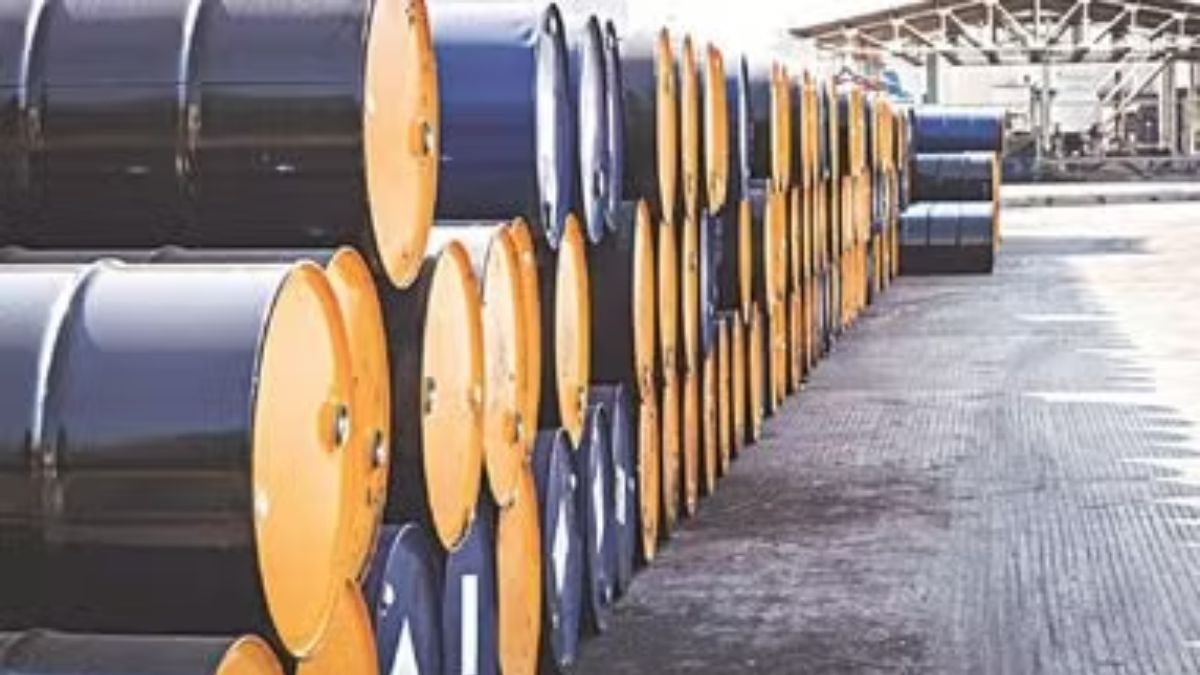
One of the clearest effects can be seen in energy markets. When global demand for oil rises, exporting countries gain more revenue and stronger political influence. This allows them to shape trade relationships, negotiate better agreements, and increase their role in international organizations. On the other hand, when demand falls due to slower economic growth or a shift toward renewable energy, these countries may lose economic leverage, which can reduce their geopolitical influence over time.
Demand shifts also change global alliances. Countries that rely heavily on imports often try to secure long-term partnerships with stable suppliers when demand rises or becomes uncertain. This leads to stronger diplomatic ties, energy agreements, and sometimes even military cooperation to ensure supply security. In contrast, when demand is low and supply is abundant, importing countries have more flexibility and bargaining power.
Another important impact is on resource competition. As global demand increases, countries compete more aggressively for access to energy and raw materials. This can lead to geopolitical tensions in resource-rich regions. Infrastructure like pipelines, shipping routes, and trade corridors becomes strategically important, and controlling them can influence global power dynamics.
Demand shifts also affect global economic balance. When emerging economies grow and increase demand for resources, geopolitical influence gradually shifts toward those regions. This changes traditional power structures and creates a more multipolar world where economic influence is spread across more countries.
At the same time, falling demand for traditional energy sources like oil can reduce the geopolitical importance of certain regions while increasing the influence of countries leading in renewable energy technologies. This shift is already changing how nations plan long-term strategies, invest in technology, and form global partnerships.
Institutions like International Energy Agency closely monitor these demand trends because they affect not just markets but also global stability and policy decisions.
In simple terms, when global demand shifts, it reshapes who has power, who depends on whom, and how countries interact. Over time, these changes quietly redraw the map of global geopolitics without needing formal conflicts or treaties, just the steady pressure of economic change.