

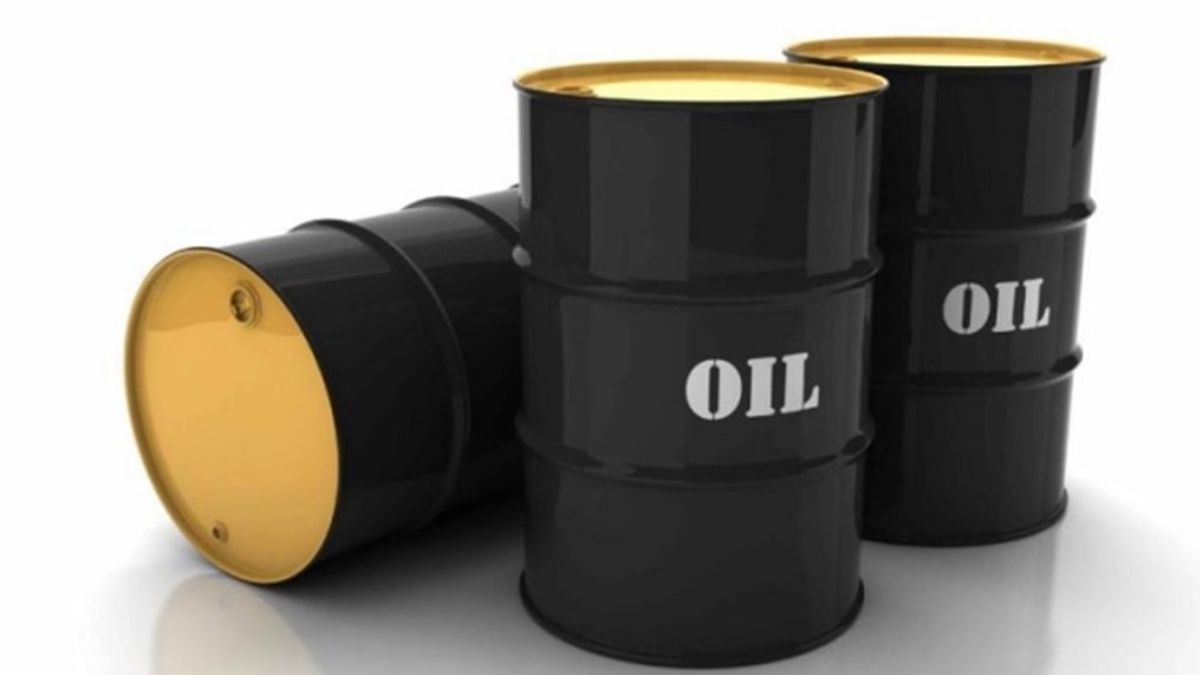
Oil shocks can play a major role in triggering or deepening global recessions because oil is a basic input for almost every part of the economy. When there is a sudden and sharp change in oil prices, especially a spike in prices, it creates a chain reaction that affects production, trade, inflation, and consumer spending across countries.
An oil shock usually means a rapid increase or unexpected disruption in oil supply. This can happen due to geopolitical tensions, wars, production cuts, or supply chain disruptions. When oil prices rise suddenly, transportation and manufacturing costs increase immediately. Since businesses rely heavily on energy, they face higher operating expenses, and many pass these costs to consumers through higher prices.
This leads to inflation. When inflation rises quickly, central banks often respond by increasing interest rates to control price growth. Higher interest rates make borrowing more expensive for individuals and businesses. As a result, spending and investment slow down, which weakens economic growth and can push economies toward recession.
Oil shocks also reduce consumer purchasing power. People spend more on fuel, electricity, and transport, leaving less money for other goods and services. This decrease in demand affects businesses across sectors, leading to lower profits, job cuts, and reduced production.
Global trade is also impacted. Countries that import oil face higher import bills, which can weaken their currencies and worsen trade deficits. At the same time, global supply chains become more expensive, increasing the cost of goods worldwide and slowing down international trade activity.
Historically, major oil shocks have been linked with global recessions because they affect both supply and demand at the same time. Supply becomes more expensive, while demand weakens due to higher prices and tighter financial conditions. This double pressure creates an environment where economic growth slows significantly across multiple countries at once.
In simple terms, oil shocks can trigger global recessions because they increase costs everywhere, reduce spending power, and force tighter financial policies. Since oil is deeply connected to almost every economic activity, sudden disruptions in its price can spread quickly and destabilize the global economy.