

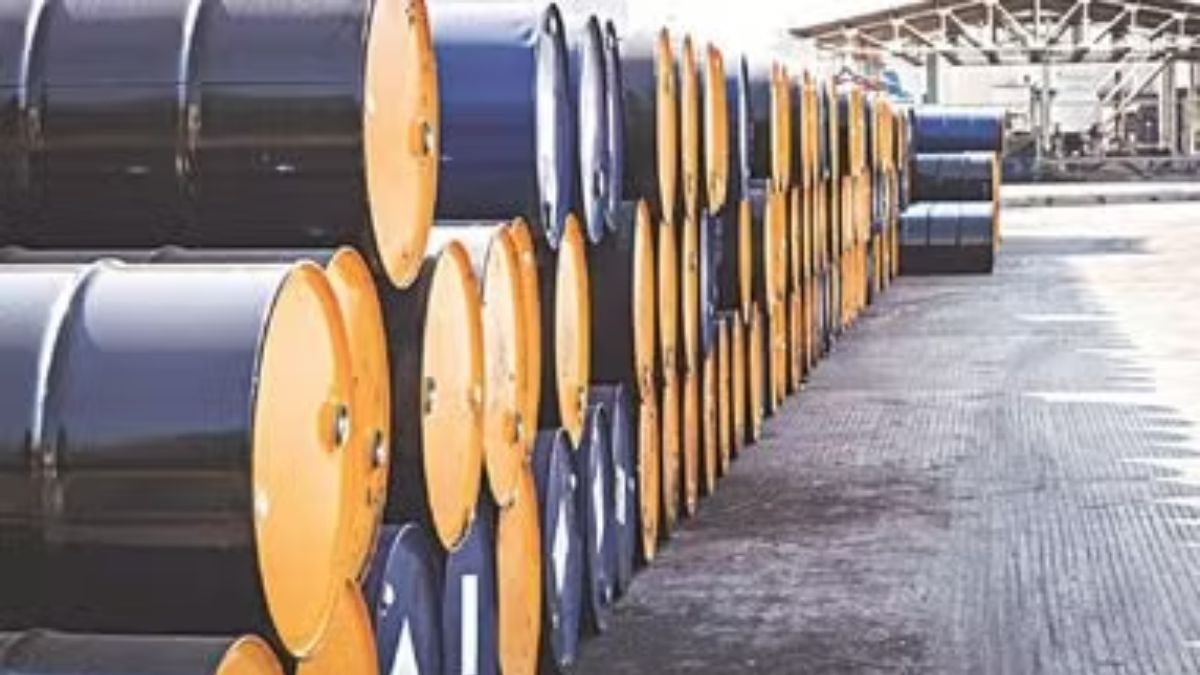
Global liquidity has a strong impact on oil prices like Brent Crude because it determines how much money is flowing through financial markets and how easily investors can take risk.
When global liquidity is high, central banks usually have low interest rates and financial systems have abundant capital. In this environment, borrowing is cheaper and investors are more willing to take risks. A portion of this capital flows into commodities, including oil futures. As more money enters Brent Crude markets, prices can rise even if physical supply and demand have not changed significantly.
High liquidity also increases speculative trading. Hedge funds, banks, and institutional investors actively use futures and derivatives to gain exposure to oil. When liquidity is strong, these positions are easier to build, which can increase price momentum and sometimes amplify upward or downward trends.
Another effect is on risk appetite. When global liquidity is high, investors tend to favor growth and riskier assets. Commodities like oil benefit from this sentiment because they are linked to global economic activity. Strong liquidity conditions often coincide with expectations of higher demand for energy.
When liquidity tightens, usually due to higher interest rates or monetary tightening by central banks, the opposite happens. Borrowing becomes more expensive, investment activity slows, and capital flows out of riskier assets. This can reduce demand for oil futures and put downward pressure on Brent Crude prices.
Liquidity also affects volatility. In highly liquid markets, prices can adjust quickly to new information because there is enough participation. However, when liquidity suddenly drops, even small trades can cause larger price movements, increasing volatility in oil markets.
Global liquidity is also linked to currency strength, especially the US dollar. Since oil is priced in dollars, changes in liquidity conditions that affect the dollar can indirectly influence oil prices. A stronger dollar can reduce global demand for oil, while a weaker dollar can support higher prices.
Decisions by central banks and global financial institutions, including macroeconomic policies monitored by International Monetary Fund, play a key role in shaping liquidity conditions that impact oil markets.
In simple terms, global liquidity affects oil prices by controlling how much capital flows into commodity markets, how strong investor risk appetite is, and how easily traders can take positions in Brent Crude, which ultimately influences both price levels and volatility.