
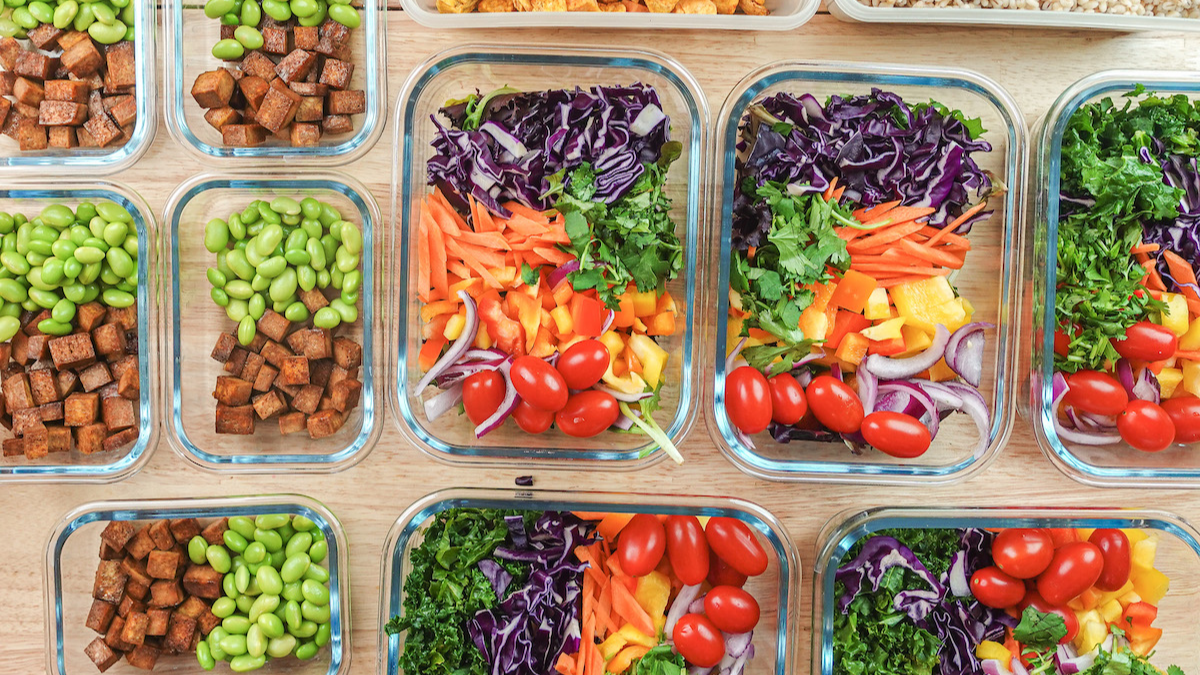
Over the past decade, meal delivery kits have moved from a niche convenience to a mainstream household solution across the United States. What began as a service aimed at urban professionals has now expanded to include families, students, and older adults looking for easy access to fresh ingredients, straightforward recipes and time-saving cooking methods. With a growing interest in health, simplicity and customisation, meal delivery kits continue to gain traction in American kitchens.
Convenience and time-saving appeal
Convenience remains the core driver behind the rise of meal delivery kits. For many Americans, long working hours, commutes and busy family schedules make traditional meal preparation challenging. Delivery kits remove the stress of planning, shopping and sorting ingredients. Subscribers receive pre-portioned components and step-by-step instructions, making it possible to prepare high-quality meals in less than 30 minutes.
This time efficiency has particularly resonated with young professionals and families. Parents who might otherwise turn to takeaway meals benefit from having ready-to-cook ingredients delivered straight to their door. At the same time, single adults can explore new dishes without worrying about food waste or leftover ingredients they may never use again.
A gateway to healthier eating habits
Meal delivery kits frequently appeal to health-conscious consumers. Many services highlight fresh produce, lean proteins and reduced preservatives, making it easier to cook nutritious meals at home. Some providers offer specialised plans, such as high-protein, low-carb, vegan or gluten-free options. This flexibility allows individuals to tailor their food intake to their goals, whether that means weight management, improved energy or simply a sharper awareness of what they are eating.
Nutrition-focused offerings also encourage people to cook more often. Even those with limited cooking experience find confidence in clear instructions and manageable recipes. As a result, home cooking becomes less intimidating, and individuals can build long-term positive habits around food.
Diverse menu choices create excitement in the kitchen
Beyond convenience and health, variety plays a key role in the appeal of meal delivery kits. Many services rotate menus weekly, providing a wide range of cuisines and flavour profiles. American consumers can explore global dishes—Mediterranean salads, Korean-inspired rice bowls, Italian pasta or Mexican-style tacos—without needing to purchase specialised pantry items. This novelty keeps subscribers engaged, turning cooking into an enjoyable activity rather than a chore.
The rise of holiday specials, seasonal menus and limited-edition collaborations further enhances the experience. For many households, meal delivery becomes an easy way to try something new, share food and enjoy restaurant-style meals at home.
Cost-effective alternatives to dining out
Although meal delivery kits incur subscription costs, they are often more affordable than eating out frequently. They eliminate impulse buys at supermarkets and reduce waste by delivering measured ingredients. Budget-minded consumers appreciate the ability to predict their weekly food spending while maintaining quality and variety.
Some companies also offer discounted introductory weeks or loyalty rewards, making the service more accessible. As more competitors enter the market, pricing becomes increasingly competitive, benefiting consumers and encouraging adoption.
A trend likely to continue
As convenience, healthy eating and personalisation remain priorities for many Americans, the popularity of meal delivery kits is likely to grow further. Flexible subscription models, custom dietary plans and wide recipe selections provide a solution that meets modern lifestyle demands. With technology improving ordering, tracking and packaging, meal delivery services are positioned to remain integral to the future of home cooking.
