
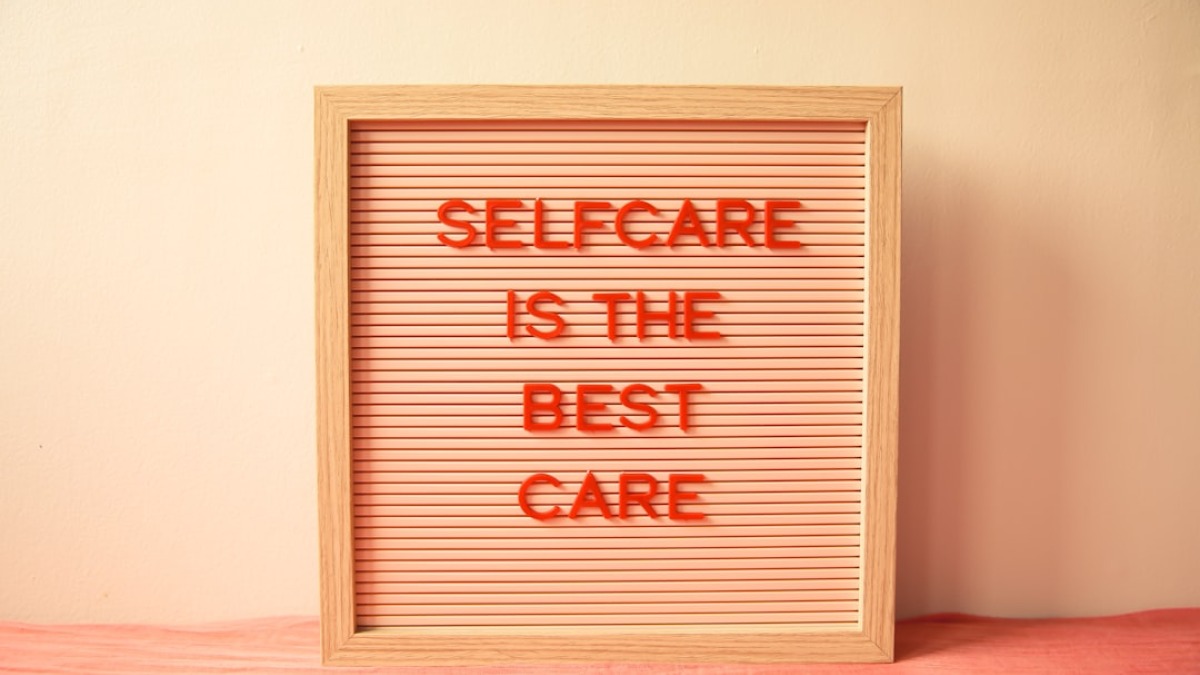
Self-care has become a central theme in how Americans approach the New Year, reflecting a shift towards sustainable wellbeing and intentional living. Rather than viewing self-care as occasional indulgence, many individuals now see it as a consistent practice that supports physical, emotional, and mental balance throughout the year.
Expanding the definition of self-care
Self-care in the New Year increasingly extends beyond traditional wellness routines. While exercise and healthy eating remain important, self-care now includes rest, boundaries, and emotional awareness.
People are prioritising activities that restore energy, such as adequate sleep, quiet time, and mindful breaks during busy days.
Establishing consistent self-care routines
Consistency plays a key role in modern self-care resolutions. Many Americans are choosing simple daily practices over ambitious routines. These include short walks, journalling, breathing exercises, or regular check-ins with personal goals.
By keeping routines manageable, individuals are more likely to maintain self-care habits throughout the year.
Self-care in professional and family life
Self-care is also influencing workplace and family dynamics. Professionals are setting clearer boundaries around work hours and availability, supporting healthier balance. Families are creating shared routines that prioritise quality time and rest.
These practices reflect a collective effort to integrate wellbeing into everyday life rather than treating it as an add-on.
Long-term wellbeing as a priority
The emphasis on self-care at the start of the year highlights a shift towards long-term health rather than short-term results. Emotional resilience, energy management, and personal fulfilment are increasingly valued outcomes.
As a result, self-care continues to shape how Americans design their routines, relationships, and goals in the New Year.
