
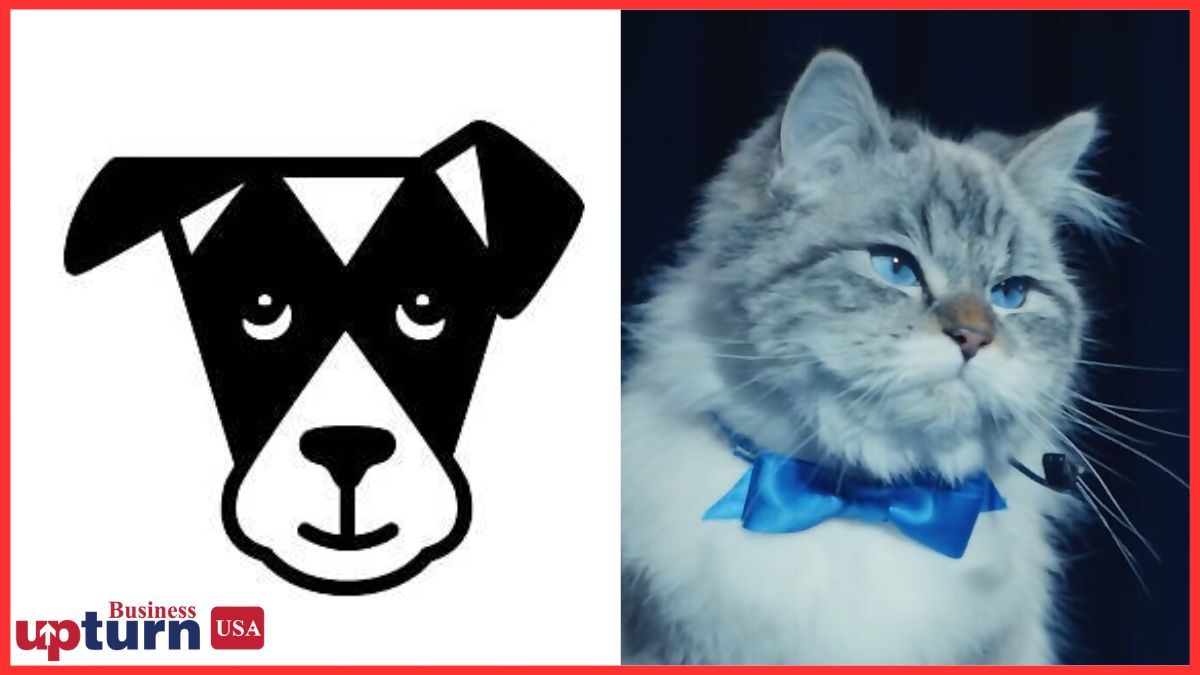
Pet influencers have evolved from quirky internet sensations to fully-fledged brands commanding multi-million-dollar audiences. In the United States, dogs, cats, squirrels, and even chipmunks are not just pets – they are cultural icons and marketing engines. Two fascinating players in this ecosystem are The Dogist, a celebrated dog photography brand, and Squirrel & Chipmunk, a beloved duo that has captivated fans with their playful woodland charm. While both are adored online, their business models reveal two distinct approaches to turning animal charisma into steady revenue streams.
The Dogist: transforming street photography into a multimedia empire
At its core, The Dogist began as a passion project by Elias Weiss Friedman, who took candid, street-style photos of dogs across the U.S. What started as Instagram storytelling has grown into a multi-channel media brand. The Dogist’s business model thrives on diversifying content formats and monetising an unmatched archive of high-quality canine photography.
Revenue streams anchored in photography and publishing
The Dogist earns revenue by selling photography books, branded merchandise, and licensing dog portraits for campaigns. Its bestselling coffee-table books have appealed to U.S. households that cherish pet culture, making publishing a stable revenue driver. Moreover, licensing deals with pet-related companies allow the brand to monetise its photographic library without diluting its core identity.
Corporate sponsorships and brand partnerships
The Dogist is highly sought after by pet product companies, lifestyle brands, and even nonprofits that want to attach their message to authentic, high-quality content. Sponsored posts and partnerships are tailored to resonate with dog-loving American consumers, blending storytelling with product placement in a way that feels organic rather than intrusive. By focusing on mission-aligned collaborations, The Dogist ensures long-term sustainability in the influencer economy.
Squirrel & Chipmunk: building a whimsical community brand
In contrast, Squirrel & Chipmunk capitalise on the charm of their duo dynamic, offering a mix of entertainment, humour, and relatability. Their business model thrives on community engagement and family-friendly branding, making them especially appealing to U.S. households and younger audiences.
Digital-first monetisation through social media platforms
Squirrel & Chipmunk generate income through platform-driven monetisation such as YouTube ad revenue, Instagram Reels bonuses, and TikTok Creator Fund payouts. Their video-first approach positions them as entertainers as much as influencers, which expands their audience beyond pet lovers to mainstream American social media users. This reliance on native platform monetisation allows them to scale quickly with viral content.

Merchandising and family-friendly products
Unlike The Dogist’s photography-heavy focus, Squirrel & Chipmunk lean heavily into merchandise. Plush toys, themed clothing, and even children’s storybooks transform their digital personalities into tangible products. Parents are often willing to buy these items for their kids, and this family-oriented merchandising strategy strengthens long-term brand loyalty. The duo’s ability to turn whimsical storytelling into consumer products sets them apart as innovators in pet influencer merchandising.
Fan engagement models: intimacy vs. playfulness
Both The Dogist and Squirrel & Chipmunk rely heavily on engaging their audiences, but the style of fan interaction shapes their respective monetisation strategies.
The Dogist’s community-driven authenticity
The Dogist fosters deep emotional connections by spotlighting everyday dog stories. American dog owners often feel seen and celebrated when their pets are featured, which builds a strong sense of loyalty. This loyalty translates into repeat purchases of merchandise and books, as fans want to take home a piece of that authenticity. The Dogist’s model is built on depth: fewer but stronger community ties that create sustainable revenue.
Squirrel & Chipmunk’s playful mass appeal
Squirrel & Chipmunk, on the other hand, thrive on relatability and humour. Their short, entertaining clips are designed for mass sharing and viral moments. Their model is built on breadth: reaching millions with light-hearted content that attracts not only pet lovers but also casual browsers. This mass engagement supports higher ad revenue and broader merchandise opportunities.
Diversification of income: long-term stability vs. rapid growth
In the U.S. influencer economy, diversification is crucial. Both brands showcase distinct approaches to balancing stability with growth.
The Dogist’s diversified media portfolio
The Dogist leverages books, brand collaborations, photography sales, and even nonprofit tie-ins to ensure its revenue is not overly dependent on any single source. This creates a safety net that allows the brand to weather algorithm changes on platforms like Instagram. By operating like a media company, The Dogist positions itself for steady, predictable income.
Squirrel & Chipmunk’s viral scalability
By contrast, Squirrel & Chipmunk prioritise fast growth, leaning on video virality and consumer product launches. While this model can produce rapid spikes in income, it is more vulnerable to shifts in platform policies. However, their strong merchandising arm provides an anchor that transforms fleeting virality into lasting business.
Hidden opportunities: licensing, live events, and publishing
Both influencers have untapped areas of growth that highlight how U.S. pet influencers can evolve beyond digital screens.
The Dogist’s expansion potential
The Dogist could expand into live events like dog photography exhibitions, branded meet-ups, or even workshops for aspiring pet photographers. Such events would not only generate ticket sales but also strengthen community bonds. Another hidden opportunity lies in licensing dog imagery for home decor, calendars, and digital use, which could unlock new revenue without additional production costs.
Squirrel & Chipmunk’s storytelling frontier
For Squirrel & Chipmunk, children’s publishing and animated content represent promising frontiers. Their whimsical brand could translate into cartoons or partnerships with educational platforms in the U.S. market. By positioning themselves as storytellers, they can move from influencer status to multimedia franchise, expanding both reach and monetisation.
Long-term scalability: brand heritage vs. novelty
Scalability often determines whether a pet influencer becomes a passing trend or a lasting household name.
The Dogist’s brand heritage advantage
The Dogist is building a legacy brand grounded in heritage and quality. With a focus on timeless dog stories and high-quality imagery, The Dogist can retain relevance even as digital platforms evolve. The brand’s scalability lies in its ability to continually repurpose its vast archive and adapt it to new media forms.
Squirrel & Chipmunk’s novelty-driven growth
Squirrel & Chipmunk excel at keeping audiences entertained with novelty, but the challenge lies in maintaining relevance over decades. Their long-term scalability depends on whether they can successfully transition from viral entertainers to multimedia storytellers. If they succeed, they could become one of the most recognisable family-friendly pet brands in America.
Unexpected conclusion: the untapped licensing of emotions
While revenue streams often focus on physical products and ad dollars, both The Dogist and Squirrel & Chipmunk reveal a deeper business lesson: emotions themselves are licensable assets. The Dogist monetises empathy and authenticity, while Squirrel & Chipmunk monetise laughter and whimsy. American audiences are not just buying books, toys, or ad impressions – they are buying emotional experiences. In an economy increasingly driven by attention and feelings, the most successful pet influencers are those who can consistently package and monetise emotions in ways that scale.
Final word: Whether through the heartfelt storytelling of The Dogist or the playful charm of Squirrel & Chipmunk, these influencers showcase how America’s pet economy has matured into an emotional economy. Their business models prove that joy, when skilfully packaged, can be one of the most profitable commodities in the U.S. digital marketplace.
This article is intended solely for informational and editorial purposes. It does not constitute endorsement or promotion of any artificial intelligence technology. Business Upturn makes no representations or warranties regarding the accuracy, completeness, or reliability of the information provided.