

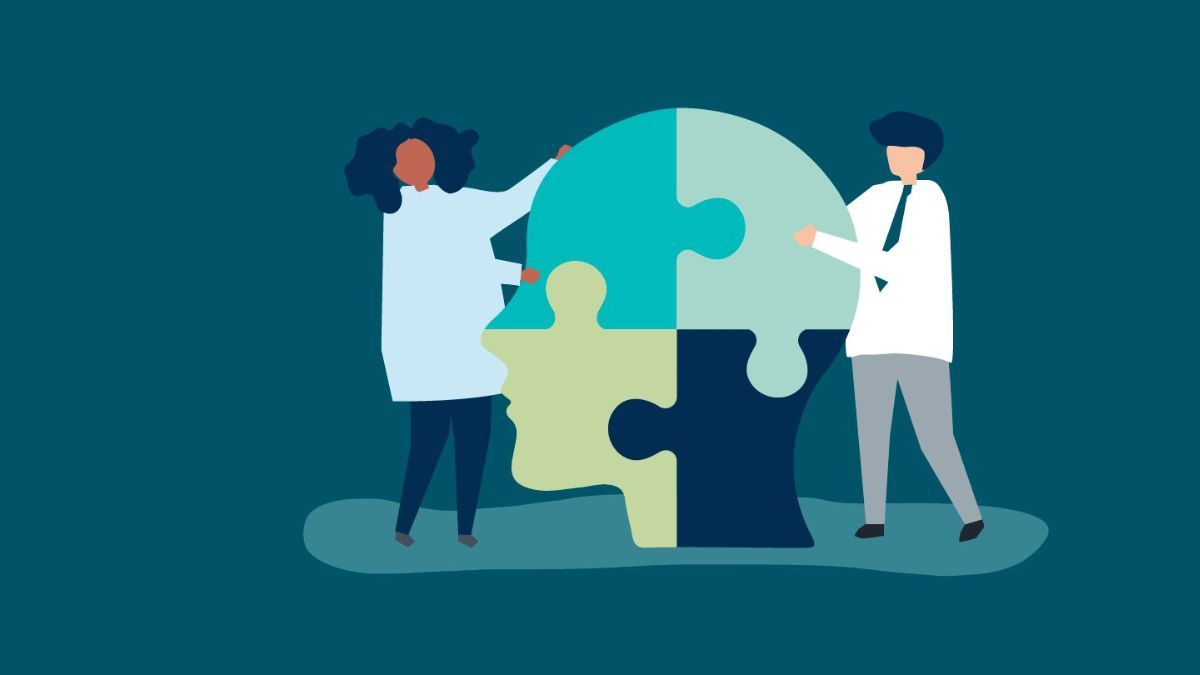
Identity lag is the gap between who you have become internally and how your life still looks on the outside. It is that strange phase where your mindset, values, and awareness have already shifted, but your habits, environment, or roles have not fully caught up yet.
This is why you can feel different without anything around you actually changing. You may think differently, react differently, or want different things, but your daily routine still reflects an older version of you. That mismatch creates a quiet discomfort. It feels like you are living slightly behind your own growth.
Identity lag often shows up after periods of deep reflection or personal change. You start understanding yourself better. You realize what you no longer want, what no longer aligns, and what needs to change. But real life does not update instantly. Your job, your relationships, and your responsibilities take time to shift, and that delay is where the tension builds.
One of the most confusing parts is that your external life may still be “working.” Nothing is obviously wrong. But internally, it does not feel right anymore. This can make you doubt yourself. You might wonder if you are overthinking or being too sensitive. In reality, you are just more aware than before.
During identity lag, even small things can feel heavy. Conversations may feel shallow, routines may feel repetitive, and decisions may feel harder than usual. This happens because you are no longer fully connected to the version of yourself that created those patterns, but you are still living inside them.
There is also a sense of impatience that comes with it. Once you see what needs to change, it is hard to unsee it. You may want your life to instantly reflect your new mindset, but growth in the real world is slower than growth in your thoughts. That delay can feel frustrating.
Another layer is fear. Acting on your new identity often requires change, and change brings uncertainty. Even if your current situation no longer feels aligned, it is still familiar. Letting go of that familiarity can feel risky, which is why many people stay in identity lag longer than they want to.
But this phase is not wasted time. It is actually a transition period. It gives you space to process your growth, test new perspectives, and slowly adjust your life in a way that feels stable rather than rushed.
The key is not to panic during this phase. You do not need to force immediate, drastic changes. Instead, you can start aligning your actions with your inner self in small ways. Making choices that feel true to who you are now, even if they seem minor.
Over time, those small shifts begin to close the gap. Your external life starts reflecting your internal growth, and the tension begins to ease. What once felt like confusion turns into clarity, and what once felt heavy starts to feel natural.
Identity lag is simply the delay between becoming and living as that version of yourself. It may feel uncomfortable, but it is also a sign that real change has already begun.